You turn off a faucet and hear a loud bang from inside the wall. Or the washing machine finishes filling and the pipes knock like someone’s hitting them with a wrench. That’s water hammer — and it’s one of the most common plumbing noises homeowners deal with.
The good news: water hammer usually has a straightforward cause. The better news: many fixes are things you can handle yourself. Here’s what’s going on and what to do about it.
What Is Water Hammer?
Water hammer happens when moving water inside a pipe suddenly stops or changes direction. When you close a valve quickly — like turning off a faucet or when an appliance valve shuts — all that water momentum has to go somewhere. The energy creates a pressure surge that sends a shockwave through the pipe, producing that distinctive banging or knocking sound.
Think of it like slamming on the brakes in a car. Everything inside keeps moving forward even though the car has stopped. In your pipes, the “everything” is water, and the bang you hear is the force of it hitting the closed valve and reverberating through the plumbing.
Common Causes of Water Hammer
Quick-Closing Valves
Modern single-lever faucets, solenoid valves in dishwashers, and washing machine fill valves all shut off water flow almost instantly. Older two-handle faucets close more gradually, which is why water hammer tends to show up more in homes with newer fixtures or appliances.
High Water Pressure
If your home’s water pressure is above 80 psi, you’re more likely to experience water hammer. Higher pressure means water moves faster through the pipes, creating a bigger shockwave when flow stops. Normal residential water pressure should fall between 40 and 80 psi.
If you’re also noticing faucets that spray aggressively or toilets that refill unusually fast, high pressure could be the issue. A pressure regulator replacement can bring things back into the safe range.
Waterlogged Air Chambers
Many homes have short sections of pipe called air chambers installed near fixtures. These vertical stubs trap a pocket of air that acts as a cushion when water flow stops suddenly. Over time, that air pocket can absorb into the water, leaving the chamber full of liquid. Without the air cushion, there’s nothing to absorb the shockwave.
Loose or Unsecured Pipes
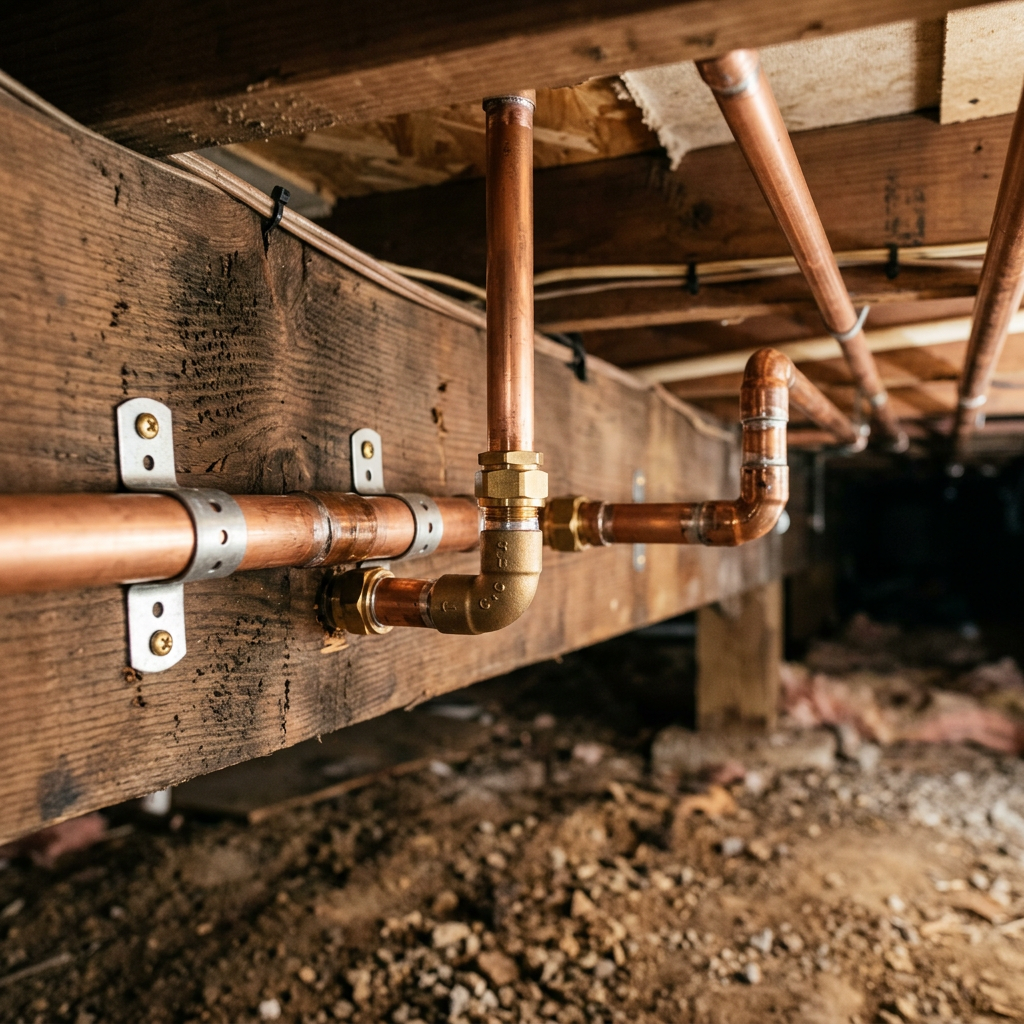
Pipes that aren’t properly strapped or secured to framing will move when water pressure surges hit them. The banging you hear might be the pipe itself physically knocking against a joist, stud, or another pipe. This doesn’t just make noise — repeated movement can stress joints and fittings over time.
Worn-Out Washers or Valves
Old valve seats, degraded washers, and worn faucet cartridges don’t always close cleanly. They can flutter or vibrate as water passes through, creating a rattling or hammering sound that mimics water hammer. If the noise seems to happen while water is running (not just when it shuts off), a worn valve component is a likely cause.
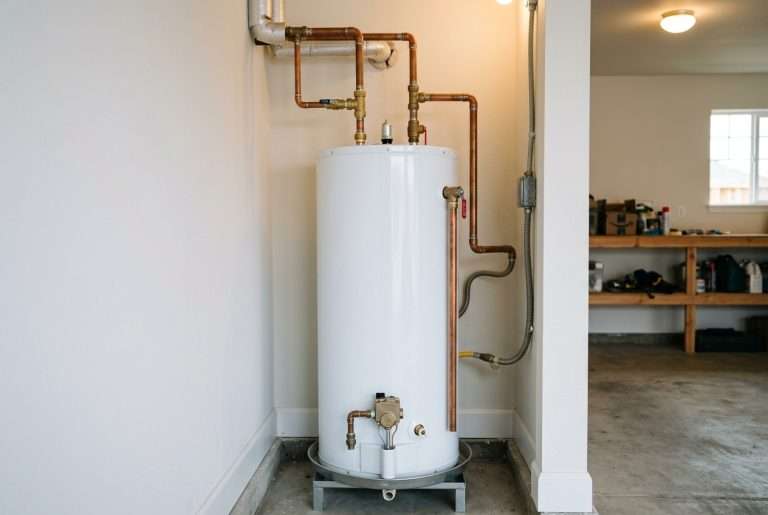
If you’re hearing other unusual plumbing sounds — especially from your hot water system — it might be worth checking whether your water heater is making noises for a different reason entirely.
Is Water Hammer Dangerous?
Water hammer is more than just an annoying noise. Those pressure surges put real stress on your plumbing system. Over time, repeated water hammer can:
- Loosen pipe fittings and joints, leading to small leaks that go unnoticed inside walls
- Damage pipe connections, especially at elbows and tees where direction changes create weak points
- Stress appliance supply lines, which can eventually fail
- In severe cases, cause pipe bursts — particularly in older plumbing or pipes that are already corroded
It’s worth fixing sooner rather than later. A water hammer arrestor from the hardware store is a lot cheaper than repairing water damage from a burst connection inside a wall.
How to Fix Water Hammer Yourself
Drain and Recharge Air Chambers
This is the first thing to try and it costs nothing:
- Turn off your main water supply valve
- Open the highest faucet in the house (usually an upstairs bathroom) and the lowest one (a hose bib or laundry faucet)
- Let all the water drain out of the pipes completely
- Close all the faucets
- Turn the main water supply back on slowly
- Go through the house and open each faucet one at a time briefly to clear any air
This process refills the air chambers with air instead of water. If waterlogged air chambers were the culprit, the banging should stop.
Check Your Water Pressure
Pick up an inexpensive pressure gauge that threads onto a hose bib. If your reading is above 80 psi, you likely need a pressure-reducing valve (PRV) installed or adjusted. If you already have a PRV and pressure is still high, it may need replacement.
Secure Loose Pipes
If you can access the pipes that are making noise — in a basement, crawl space, or open utility area — check that they’re properly strapped to framing. Add pipe straps where you see movement, and use foam insulation between the pipe and strapping material to prevent metal-on-metal contact.
Install a Water Hammer Arrestor
A water hammer arrestor is a small device with a sealed air chamber and a piston inside. It absorbs the pressure spike when a valve closes. Install them on the supply lines closest to the fixtures or appliances causing the noise — typically right behind the washing machine or dishwasher.
They’re available at any hardware store and thread onto standard supply connections. If you’re comfortable connecting a garden hose, you can install one.
When to Call a Plumber
DIY fixes handle most water hammer cases, but some situations need a professional:
- You’ve drained the system and the banging comes back within days. The air chambers may be damaged or missing entirely.
- You can’t locate where the noise is coming from. Pipes inside walls or under slabs are hard to diagnose without experience and tools.
- Multiple fixtures are affected. Widespread water hammer often points to high system pressure or a failing pressure regulator — not just one waterlogged chamber.
- You’re noticing wet spots, water stains, or unexplained moisture. Water hammer may have already damaged a fitting. Professional leak detection can pinpoint the problem before it gets worse.
- Your home has older galvanized or copper piping. Repeated water hammer stress on aging pipes can lead to failures that are expensive to repair. In some cases, a plumber may recommend repiping options to solve the problem permanently.
If your plumbing needs extend beyond water hammer — or you’re not sure what’s causing the noise — our water line services team can diagnose and fix the issue.
If you need help with water hammer, pipe noise, or any plumbing concern, call Western Rooter & Plumbing at (626) 448-6455 or schedule service online through our website.