
If your toilet tank isn’t filling after a flush, the problem is almost always one of three things: the shut-off valve behind the toilet is partially closed, the fill valve is clogged or broken, or the float is set too low. All three are fixable without special tools, and most take less than 15 minutes.
How the Toilet Tank Fill System Works
When you flush, the flapper lifts and water drains from the tank into the bowl. As the tank empties, the float drops and opens the fill valve, which lets fresh water flow in through the supply line. Once the water reaches the right level, the float rises and shuts the valve off. If any part of that chain fails, the tank won’t fill correctly, or at all.
Why Isn’t My Toilet Filling with Water?
Work through these causes in order. Start with the simplest fix and move down.
The Shut-Off Valve Is Partially Closed or Stuck
The shut-off valve is the small oval or round handle on the wall behind the toilet, near the floor. Turn it counterclockwise until it stops. If it’s already fully open, close it all the way and reopen it. Older gate valves sometimes stick in a half-open position without anyone noticing.
If the valve is corroded and won’t budge, don’t force it. A stripped or cracked shut-off valve is a worse problem than the one you started with. Call a plumber.
The Fill Valve Is Clogged or Failing
Mineral buildup (especially in hard-water areas like parts of the San Gabriel Valley) can clog the fill valve’s inlet screen or internal passages. You’ll hear the valve hiss or trickle weakly instead of filling at normal pressure.
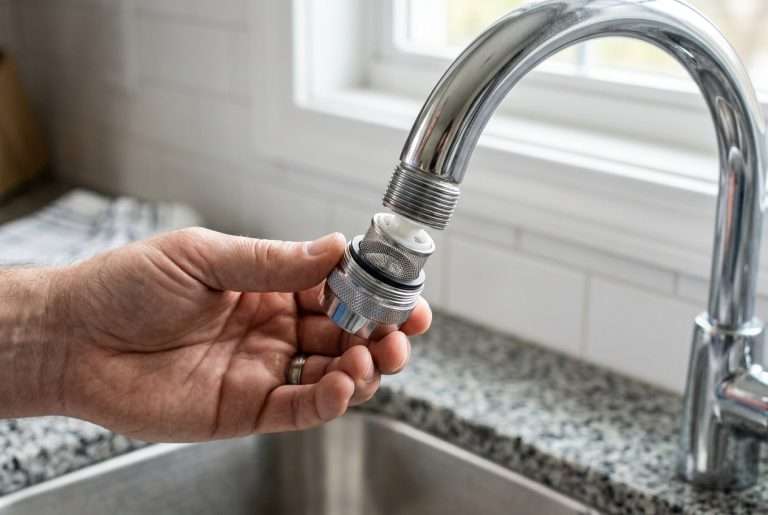
To check: turn off the supply, flush to empty the tank, then unscrew the fill valve cap (usually a quarter-turn counterclockwise). Hold a cup over the opening and briefly turn the supply back on. If water blasts out, the valve body is fine and the cap/screen just needs cleaning. Rinse the screen and cap under a faucet.
If the valve barely trickles even with the cap off, the valve itself is failing. Replacement fill valves cost $8–$15 at any hardware store, and the swap takes about 20 minutes. Our toilet fill valve guide walks through the full process.
The Float Is Set Too Low or Stuck
The float tells the fill valve when to stop filling. If it’s adjusted too low, the tank fills partway and stops, leaving not enough water for a full flush. On a cup-style fill valve (the most common type), there’s a clip or adjustment screw on the side of the valve shaft. Slide the clip up or turn the screw counterclockwise to raise the water level. The water should stop about 1 inch below the top of the overflow tube.
On older ball-float assemblies, bend the brass rod upward slightly or tighten the adjustment screw at the rod’s pivot point.
If the float is cracked or waterlogged (ball floats), it won’t rise properly. Replace it.
The Flapper Is Leaking
Sometimes the tank is filling, but the water drains out through a worn flapper as fast as it comes in. The result looks the same: an empty or low tank. But the cause is different. You’ll usually hear the fill valve cycling on and off every few minutes, or a faint trickle into the bowl.
Drop a few drops of food coloring into the tank and wait 10 minutes without flushing. If the color appears in the bowl, the flapper isn’t sealing. Replacing a worn flapper is a five-minute job.
This situation also means your toilet keeps running, which wastes water steadily.
The Water Supply Line Is Kinked or Blocked
The braided stainless steel hose between the shut-off valve and the toilet tank can kink if it’s too short or was bent during installation. Inspect it for sharp bends. If the line is a rigid chrome tube (common in older homes), check for corrosion or mineral deposits at the connections.
Turn off the supply, disconnect the line at the tank, and hold it over a bucket. Open the valve briefly. If water flows freely, the line is fine. If it trickles, the line is blocked — replace it.
Low Water Pressure in the House
If other fixtures are also running weak (slow sink flow, low shower pressure), the issue isn’t the toilet. It’s low water pressure throughout the house. Common causes include a failing pressure regulator, a partially closed main shut-off, or corroded galvanized supply pipes.
Toilet Not Filling After Flush — What’s Different?
If the toilet fills normally most of the time but occasionally refuses to fill after a flush, the fill valve is probably intermittently sticking. Mineral deposits on the valve’s diaphragm or moving parts cause this. You’ll often notice it happens more after the toilet sits unused overnight or for several hours.
Cleaning the fill valve cap and screen (see the fill valve section above) usually solves it. If it keeps happening, replace the valve. A sticky fill valve only gets worse.
In rare cases, the float arm gets caught on the overflow tube or tank lid during the flush cycle. Lift the lid and flush to watch the mechanism. If anything binds or catches, reposition the fill valve or trim the overflow tube if it’s too tall.
Can You Fix a Toilet That Won’t Fill Yourself?
Most of the time, yes. Quick decision path:
- Shut-off valve not fully open — turn it. Done.
- Clogged fill valve screen — clean it. Fifteen minutes, no parts needed.
- Float set too low — adjust the clip or screw. Two minutes.
- Leaking flapper — swap it. Five minutes, $5–$8 part.
- Fill valve needs replacement — twenty-minute job with a $10–$15 part. Requires turning off the water supply and some basic wrench work.
- Kinked or blocked supply line — replace the hose. Ten minutes, under $10.
None of these require cutting into walls or working with drain pipes.
When to Call a Plumber
Call a professional if:
- The shut-off valve is frozen, corroded, or leaking when you try to turn it. Forcing a stuck valve can crack the fitting or the pipe behind the wall.
- You’ve replaced the fill valve and the problem persists. Persistent low flow to one fixture can mean a partially blocked supply pipe, especially in homes with older galvanized plumbing.
- Multiple fixtures have low pressure. That’s a whole-house supply issue, not a toilet problem.
- You see water damage on the floor, wall, or ceiling below the bathroom. Something is leaking beyond the toilet tank, and it needs professional diagnosis.
If you need help with a toilet that won’t fill or any other toilet issue, call Western Rooter & Plumbing at (626) 448-6455 or schedule service online through our website.