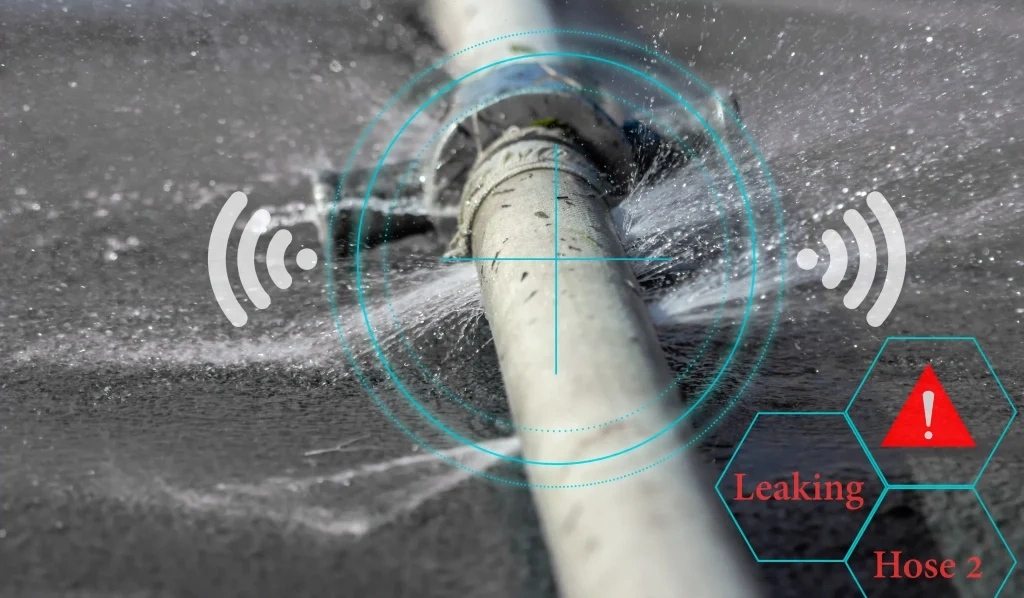
The difference between a water line versus a sewer line is vital knowledge when you discover a mysterious leak in your home. These two essential components are the foundations of your plumbing system. Many homeowners find it hard to pinpoint the source of the problem when something goes wrong.
Water and sewer lines differ in more ways than just their basic functions. Your sewer line runs under your backyard, and you’re responsible for fixing and maintaining it. Knowing which system has sprung a leak can help you save money and time, as repair costs can vary quite a bit.
Leak detection prices change based on several factors like location, complexity, and the methods used. Homeowners typically pay between $150 and $500 to find residential leaks. Basement leak detection can cost anywhere from $100 to $2,500. The costs run higher for commercial properties, where proper leak detection services range from $300 to $1,500 or more. This piece will teach you how to tell these two types of leaks apart before you call a professional.
Understanding Water and Sewer Lines
Your home’s plumbing system relies on two vital components that work together to deliver clean water and remove waste. These unsung heroes lie beneath your feet and keep your daily life running smoothly.
What is a water line?
A water line acts as your home’s lifeline by bringing clean, drinkable water inside. This vital pipe connects your house to a municipal water supply or a private well. The lines run underground from the street to your property. Their length ranges from 20 to 200 feet, based on your home’s location from the street.
Today’s water lines use materials like copper, PVC, or PEX plastic. The system has a water meter to track usage and calculate bills, plus a shut-off valve to stop water flow during emergencies.
Your water supply line stays under constant pressure, which lets water flow right away when you turn on a faucet. Smaller supply pipes branch out from the main line to deliver water to your sinks, showers, toilets, and appliances.
What is a sewer line?
The sewer line does the opposite job – it moves waste and used water away from your property. These underground pipes link all your home’s drains to a municipal sewage system or a private septic tank.
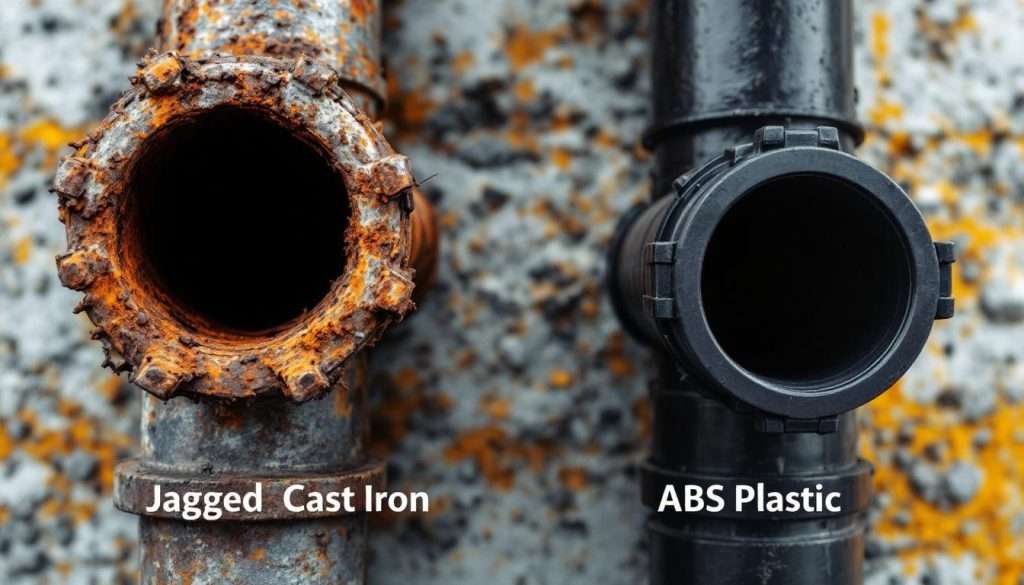
Most sewer lines sit beneath your backyard, and you need to maintain and repair them. These pipes come in different materials like cast iron, galvanized steel, PVC, and clay.
Unlike pressurized water lines, sewer systems use gravity to move waste away from your home. The right slope becomes vital for waste to flow efficiently.
How they work together in your plumbing system
These two systems create a continuous cycle. Clean water flows through your water line and spreads throughout your home. Used water carries waste out through drains into your sewer line.
The systems must stay completely separate to avoid contamination. Water lines bring approximately 300 gallons of fresh water daily to an average family, while sewer lines remove all this used water and waste material.
Both systems need proper care to work right. Water lines can develop limescale from hard water, and sewer lines might clog with grease and hair. Regular expert inspections help avoid emergency repairs that get pricey and keep your plumbing running smoothly all year.
Common Signs of Water Line vs Sewer Line Leaks
Spotting water line and sewer line leaks early can save you thousands in repair costs. These leaks show different signs that help you figure out which system needs fixing.
Unusual water bills or puddles
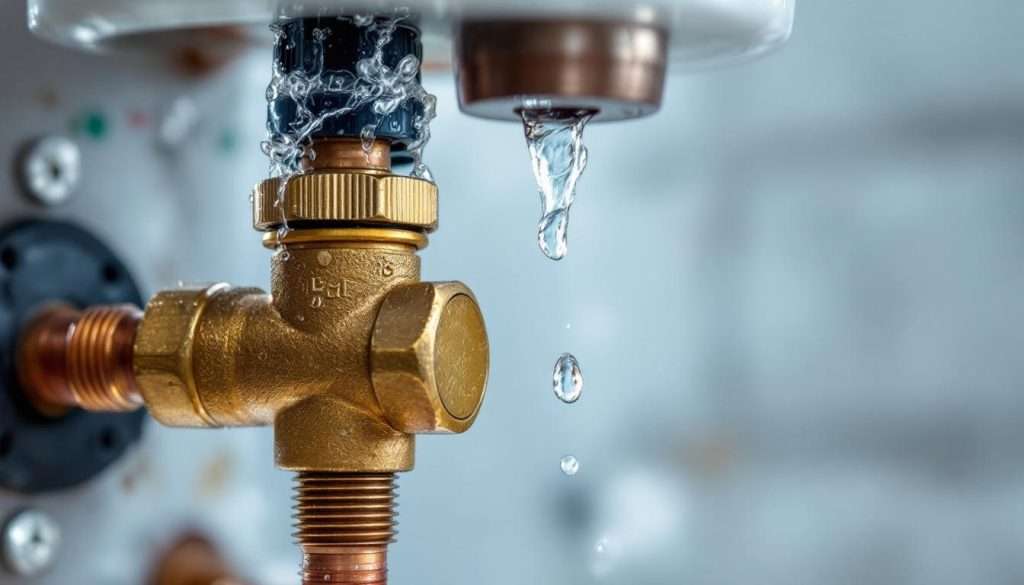
The first sign of a hidden water line leak shows up on your monthly statement. Your water bill might spike without any changes in how you use water, which points to a leak in your system. Your meter could be recording water that’s escaping through underground pipes, even if you don’t see any damage.
Strange puddles in your yard often mean you have plumbing problems underground. Water line leaks might create small ripples or bubbles in these puddles as water moves beneath the surface. Puddles from sewer leaks could have bits of toilet paper or smell bad. Note that water might travel along pipes and create puddles several feet away from the actual leak.
Foul odors or slow drains
You’ll know you have a sewer line leak by the sewage or rotten egg smell around your property. These bad smells come from sewer gas that contains hydrogen sulfide. So if you smell something foul near basement drains, bathrooms, or in your yard, you should get your sewer line checked.
Drains that move slowly in several places usually mean you have sewer line problems instead of regular clogs. Look for patterns – your kitchen sink, bathroom sink, and tub might all drain slowly at once, which means the main sewer line needs attention. You might also notice gurgling toilets, water backing up in tubs during flushes, or bubbles coming from drains.
Water pressure changes vs sewage backups
A big drop in water pressure throughout your home often means you have a water line leak. Less water reaches your fixtures because it escapes through breaks in the line. This differs from sewer line problems, which rarely affect your incoming water pressure.
Sewer backups happen when wastewater can’t flow properly and gets forced back into your home. Contaminated water might come up through drains, toilets, or floor drains. These backups can get pricey to fix and create health risks if you ignore them. Watch out for warning signs like overflowing floor drains, multiple slow drains, or water backing up in bathtubs when you flush toilets.
How Professionals Detect the Type of Leak
Professional plumbers use specialized tools and technology to spot water line or sewer line problems. They go beyond simple visual checks to find issues hidden beneath floors and behind walls.
Acoustic and thermal imaging for water leaks
Water escaping from pressurized pipes makes distinct sounds that special acoustic equipment can detect. Professional acoustic cameras employ arrays of tiny, super-sensitive microphones (typically 124-162 MEMS microphones) to generate a spectrum of decibel levels. These devices layer sound images over visual ones, letting plumbers spot leak sounds even in noisy industrial settings.
Thermal imaging offers a non-invasive way to find water leaks. These cameras spot slight temperature changes that occur when water escapes from pipes. The right conditions let thermal cameras show specific patterns: triangular shapes running down walls, shapeless patches on ceilings, or warm spots around hot water pipe leaks. Professionals use high-resolution cameras with excellent thermal sensitivity to catch these subtle temperature shifts.
Smoke and dye testing for sewer leaks
Smoke testing finds sewer line problems by pushing non-toxic, artificial smoke into pipelines. A healthy sewer system only releases smoke through proper openings like manhole lids and roof vents. Smoke coming from the ground or unexpected places shows breaks or flaws in the sewer line.
Dye testing works by adding bright, non-toxic dyes into drains or sewer access points. Plumbers then watch where colored water shows up. This method helps confirm suspected leaks, find cross-connections between systems, and track complex flow patterns. Dye appearing in unexpected spots reveals exactly where problems lie.
Video pipe inspection for both systems
Video pipe inspection stands out as the most versatile diagnostic tool. This technology uses waterproof cameras mounted on flexible rods or robotic crawlers that can move through pipes of all sizes. These high-definition cameras show live footage of pipe interiors and reveal cracks, root intrusions, blockages, misalignments, and corrosion.
Video inspections take away any guesswork. They show exactly what’s happening inside both water and sewer lines without destructive digging. Modern inspection cameras come with pan-and-tilt features, powerful LED lighting, and recording abilities that let plumbers document problems for later analysis.
Leak Detection Cost and Repair Considerations
Understanding leak detection and repair costs will help you prepare for plumbing emergencies. The price varies based on whether you need work on water lines or sewer systems.
Water leak detection cost range
Hidden water leak detection costs range from $150 to $500 for homes. A simple leak that’s easy to spot might cost just $75, while complex cases that need special equipment can reach $1,000. The original inspection with video cameras costs $100 to $500—money well spent to avoid bigger repair bills later. Acoustic detection and thermal imaging adds $150-$350 to your bill but pinpoints leak locations without damaging your property.
Sewer line detection and repair costs
Sewer line repairs need a bigger budget, with national averages hitting $3,319. Most homeowners pay between $1,388 and $5,323, though major damage can drive costs up to $10,000. The price per linear foot runs $60 to $250, depending on pipe materials and how easy they are to reach. A sewer line video inspection costs $100-$500 and plays a vital role in accurate diagnosis.
Factors that affect pricing: location, severity, urgency
Your final bill depends on several key factors. Location makes a big difference—similar repairs might cost $4,000 in Los Angeles but only $2,000 in Austin, Texas. Easy access to pipes affects the price substantially. Repairs that need concrete removal can cost $300-$350 per linear foot. Emergency service calls cost more, with rates running 1.5 to 3 times higher than standard pricing.
Residential vs commercial property costs
Commercial buildings cost more for detection and repairs because their systems are bigger and more complex. Finding roof leaks in commercial buildings typically costs $350 to $1,250 per leak. Homeowners might pay $150-$350 for minor fixes, while businesses often spend $500+ for similar work. Labor rates widen this gap even more—commercial specialists charge $45-$200 per hour based on their expertise and the project’s complexity.
Conclusion
Knowing the differences between water line and sewer line leaks will save homeowners time, money, and frustration. This piece explains how these two vital systems work differently yet complement each other to keep your home’s plumbing in top shape.
Your ability to spot early warning signs can stop small issues from becoming disasters. Water line problems usually show up as unusual water bills, mysterious puddles, and drops in water pressure. Sewer line issues reveal themselves through foul odors, slow drains in multiple fixtures, and sewage backups.
On top of that, professionals use different detection methods based on the suspected issue. Acoustic detection and thermal imaging work best to find hidden water leaks. Smoke testing, dye testing, and video inspections help clarify sewer line problems.
The cost factor helps you plan ahead financially. Water leak detection costs less than sewer line problems. Both prices vary based on how easy the problem is to access, how bad it is, and where it’s located.
You shouldn’t wait for emergencies to develop. Regular plumbing inspections often catch potential problems before they cause major damage. Finding a small leak today might save thousands in repair costs tomorrow.
Keep in mind that professionals have specialized equipment and expertise to diagnose and fix complex water and sewer line problems accurately, even though you can handle some minor plumbing issues yourself. Their trained eyes notice subtle signs you might miss.
A licensed plumber can give you a free estimate if you think your home has leaks. Taking action quickly protects your property and your family’s health and comfort.