Note to readers: This post was updated on July 12, 2026 to add clear signs to watch for and links to our leak detection guides. We refreshed the details below so the advice reflects how we approach this work today.
A pipe bursts behind a wall. Water is spreading across the floor and you don’t know where it’s coming from. In that moment, the fastest way to limit damage isn’t calling a plumber first — it’s knowing how to shut off the water to your entire house.
Find Your Main Shutoff Valve Before You Need It
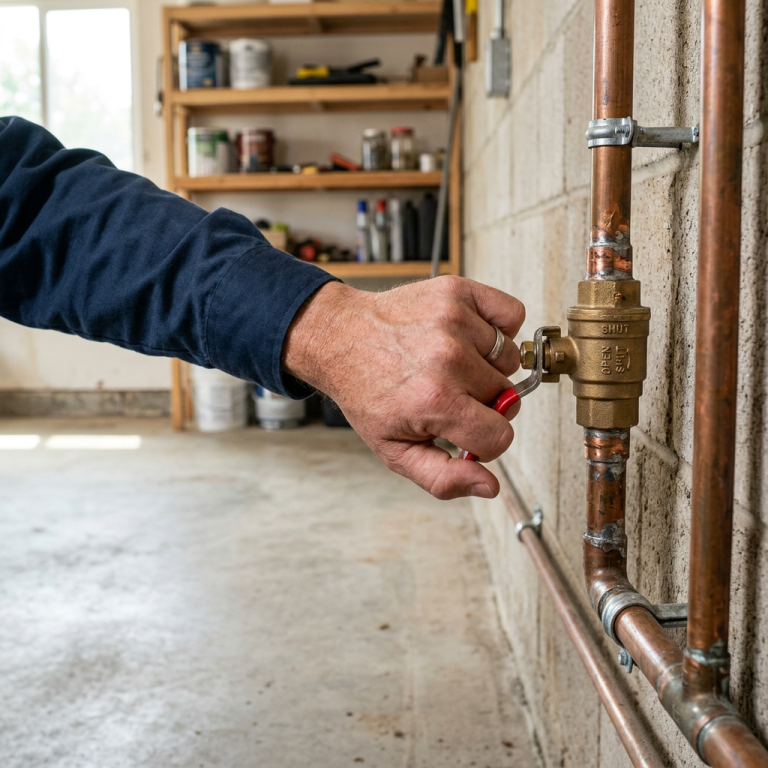
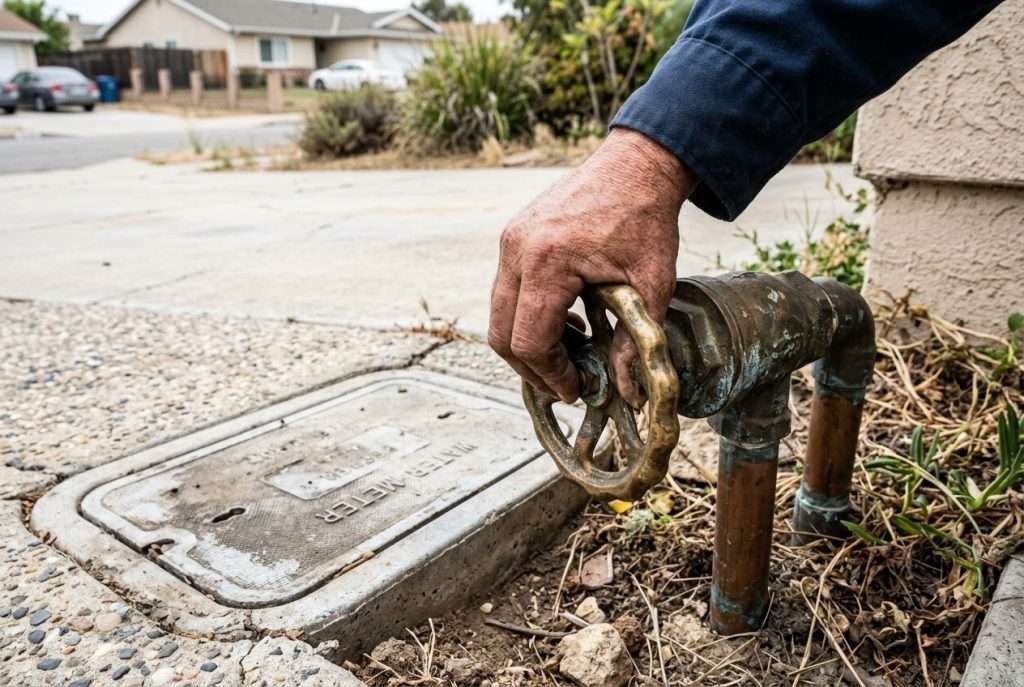
Every home has a main shutoff valve that stops water flow to the whole property. It’s usually located near the water meter, either at the curb, in a utility area, or where the main line enters the house. If you’ve never looked for it, take five minutes this week to find it and make sure it turns freely — valves that sit untouched for years can corrode or stick.
There are typically two valves near the meter. The one closer to the street belongs to the utility company; the one on the house side is yours to operate. Turning your valve off stops water before it reaches your fixtures, without affecting the meter itself.
Signs You Need to Shut Off the Water Right Now
- Water pooling from an unknown source, especially near walls, ceilings, or the water heater
- A sudden, unexplained spike on your water bill
- The sound of running water when nothing is turned on
- Visible hidden water leaks or damp drywall
Why This Matters More Than People Think
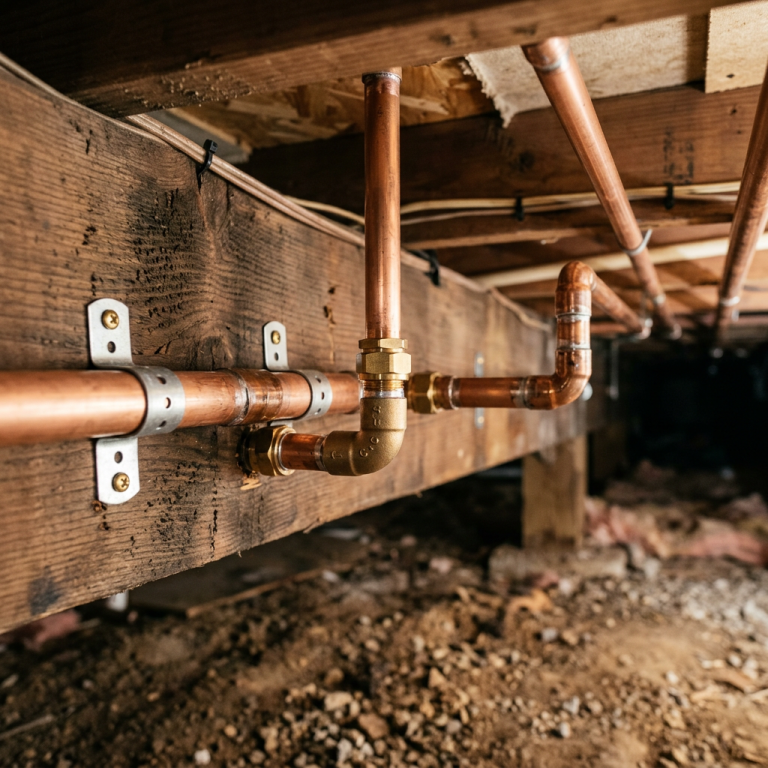
A slow leak can quietly rot framing and drywall for months before it’s noticed — that’s often how a slab leak goes undetected in older San Gabriel Valley homes. A burst pipe, on the other hand, can flood a room in minutes. Knowing your shutoff location turns a potential disaster into a manageable repair.
It’s also worth doing this before any major plumbing project. If you’re planning a kitchen or bathroom remodel, or repairing a section of your water lines, shutting off the main supply first prevents unnecessary mess and water waste.
What To Do After You’ve Shut Off the Water
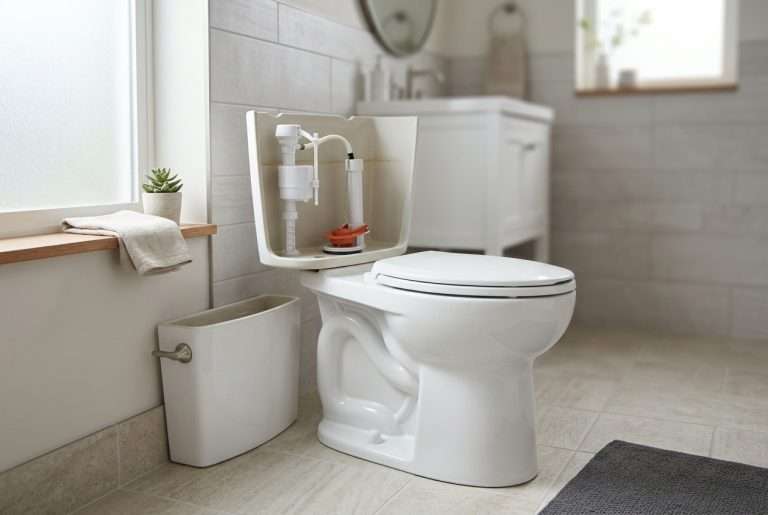
Once the flow is stopped, check for the source. If it’s a visible pipe or fixture, you may be able to isolate just that section using a local shutoff valve (common under sinks and behind toilets) so the rest of the house can have water restored while the repair is scheduled. If you can’t find the source, or the leak is inside a wall or slab, it’s time to call a professional for leak detection and repair.
When to Call a Plumber
Some situations call for immediate professional help rather than a DIY fix:
- You can’t locate or operate your main shutoff valve
- The leak is behind a wall, under a slab, or underground
- Water pressure doesn’t return to normal after the leak is addressed
- You smell gas along with a water issue — treat this as an emergency
Western Rooter & Plumbing has served the San Gabriel Valley for decades, handling everything from emergency shutoffs to full water line repairs. If you’re not sure where your shutoff valve is, or you’re dealing with a leak right now, give us a call at (626) 448-6455 — we’re available 24/7.