A shocking statistic reveals that unsafe drinking water affected 68 million Americans in 2017. This reality expresses why knowing the right plumbing device to prevent backflow is significant to protect your family’s health.
Your clean water supply needs protection from contaminated water flowing backward through backflow prevention. These devices work like one-way valves to keep harmful substances away from your drinking water. They do more than just meet regulations—they protect you from serious health risks. Contaminated backflow could introduce dangerous pathogens, chemicals, or toxins that may cause waterborne diseases and poisoning. Your home needs a backflow preventer, particularly if you have irrigation systems or specialized plumbing fixtures.
The law requires annual testing of these devices in most areas, while high-risk connections need more frequent checks. Regular testing will give a compliant, clean, and safe water supply by detecting problems early. Backflow preventers last between five to ten years, so homeowners should learn to choose the right one for their needs.
Understanding Backflow and Why It Matters
At the time water systems experience pressure changes, water can flow backward instead of its normal direction. This phenomenon, known as backflow, can seriously affect your home’s clean water supply. You need to learn about preventing this issue to keep water safe in your Los Angeles or San Bernardino home.
What is backflow prevention?
Backflow prevention includes methods and devices that stop contaminated water from flowing backward into your clean water supply. Water reverses its flow in two main ways:
- Backsiphonage: This happens when a sudden drop in water pressure creates a vacuum effect that pulls potentially contaminated water back into your clean lines. You might see this during a water main break.
- Backpressure: This occurs when pressure in a non-potable system exceeds your drinking water supply’s pressure and forces contaminated water backward. Boilers and irrigation systems often cause this.
You’ll need specialized devices installed where your potable and non-potable water systems connect.
What does a backflow device do?
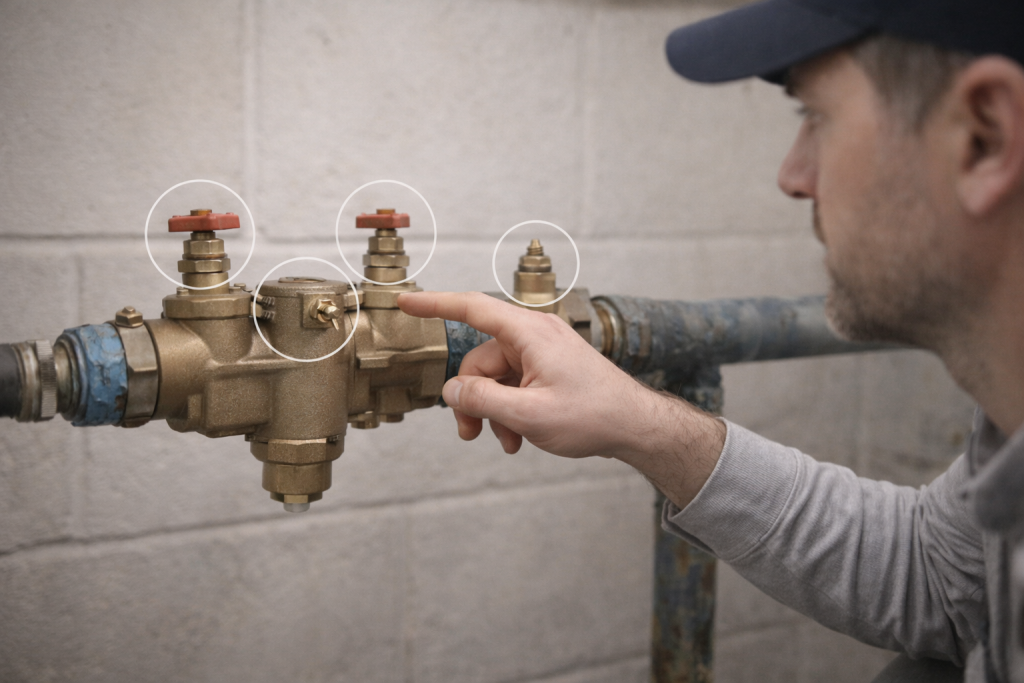
A backflow prevention device works like a one-way gate for your water supply. Water flows into your home’s plumbing system but can’t go backward. These devices use valves, check systems, or air gaps to keep water moving in the right direction.
The main purpose is simple but crucial—it stops contaminated water from reaching your clean water supply during pressure changes. This protection becomes even more important if you have irrigation systems, pools, or specialized plumbing fixtures.
Why do I need a backflow preventer at home?
Backflow preventers protect your family’s health by blocking contaminants like fertilizers, pesticides, or animal waste from your drinking water. Plus, local regulations in Los Angeles and San Bernardino counties require these devices, especially if you have an irrigation system or well.
On top of that, it can get pricey to repair plumbing damage caused by backflow. Without proper prevention, your water might look discolored, smell like sulfur, or taste bad—all signs that point to possible contamination.
Your peace of mind matters most. A protected water system lets you drink, cook, and bathe without worrying about health risks.
Contact Western Rooter today for a free estimate on backflow prevention devices for your home!
Types of Backflow Prevention Devices for Homes
You need to understand different options to pick the right backflow prevention device for your home. Each type gives specific protection based on your plumbing system’s needs. Let’s look at five main devices that stop backflow in homes.
Air gap systems
Air gap systems give the best backflow protection with a simple physical gap between your water supply outlet and receiving vessel. This vertical space makes sure contaminated water can’t flow back into your clean water supply. Your air gap needs to be at least twice the water outlet’s diameter and no less than one inch. These systems work great in kitchen sinks to protect dishwashers and drinking water systems. Their simple design makes them reliable and they need very little maintenance.
Hose bib vacuum breakers
Hose bib vacuum breakers attach right to your outdoor faucets. They let air enter the system when water pressure drops to stop backsiphonage. A plastic disk covers small vent holes during normal water flow. The disk springs back if pressure drops, which opens the vents and blocks contaminated water from flowing backward. These affordable devices are a great way to protect standard outdoor water connections in Los Angeles and San Bernardino homes.
Double check valve assemblies (DCVA)
DCVAs use two spring-loaded check valves that work on their own, placed between shutoff valves. These devices work best for low-hazard spots that might face backpressure and backsiphonage. You’ll find them in lawn sprinklers, fire sprinkler systems, and commercial pools. You can install DCVAs vertically or horizontally, and sometimes underground if local codes allow it. The design gives you backup protection – if one valve fails, you still have another one blocking backflow.
Pressure vacuum breakers (PVB)
Pressure vacuum breakers combine a spring-loaded check valve with an air inlet valve that works independently. Water flows normally through the check valve at pressures above 1 PSI, and the air inlet valve blocks backsiphonage. Your PVB needs to be installed at least 12 inches above your system’s highest outlet. These devices cost less than other options and fit perfectly in home irrigation systems across Los Angeles and San Bernardino counties.
Reduced pressure zone assemblies (RPZ)
RPZ assemblies protect against high-hazard situations using two independently acting check valves with a monitored pressure chamber between them. This setup creates a low-pressure zone that keeps water flowing one way. RPZs come with a relief valve that releases water automatically if pressure problems develop. These devices work best in systems with chemical injection or serious contamination risks. They cost more but give you crucial protection for risky situations.
Call Western Rooter now to get a free estimate on the perfect backflow prevention device for your home!
How to Choose the Right Device for Your Property
Picking the right backflow prevention device needs a thorough look at several factors. The right device protects your water supply and meets local regulations while matching your specific plumbing setup.
Assessing your plumbing system and risk level
Start by identifying all cross-connections in your system—points where potable water meets non-potable sources. The next step is to assess the hazard level:
- Low hazard (pollution): Looks or tastes bad but won’t harm health
- High hazard (contamination): Creates real health risks or damages the system
- Severe hazard: Could be deadly, often needs air-gap separation
Your property type plays a big role in device selection—homes need different devices than commercial buildings.
Thinking about local regulations in Los Angeles and San Bernardino
California’s Title 17 regulations guide Los Angeles’s cross-connection control. LADWP wants approved backflow prevention assemblies at service points with contamination risks. San Bernardino’s water authorities require protection where cross-connections might introduce contaminants. Starting July 2025, residential and commercial fire sprinkler systems in Los Angeles must follow updated cross-connection rules.
Matching device type to irrigation, fire, or potable systems
PVBs are usually enough for irrigation systems without chemicals, while systems using fertilizer injection need RPZ assemblies. Fire systems work well with DCVAs when there are no additives, but chemical-based systems need RPZ protection. Potable water systems need different levels of protection based on risk—higher-risk setups need more reliable solutions.
Cost, maintenance, and installation factors
Device installation runs between $200-$1000 based on type and plumbing complexity. Annual testing costs $50-$300 and most areas require it by law. Backflow devices last 5-15 years, with metal units costing more upfront but lasting longer.
Contact Western Rooter today for a free estimate!
Testing, Maintenance, and Replacement Guidelines
Your home’s water supply needs protection through regular maintenance of your backflow prevention device. The right testing schedule and maintenance guidelines will give a continuous shield against contamination.
How often do backflow devices need to be tested?
Your backflow prevention devices need annual testing in most jurisdictions. Tests must happen after installation, repairs, cleaning, relocation, and periods of disuse longer than three months. Seasonal devices need testing before each use period. High-hazard connections or recycled water systems might need testing every six months.
Who can perform certified testing?
The law requires certified backflow prevention assembly testers registered with local authorities to conduct these tests. These experts complete specialized training and pass certification exams while keeping their credentials current through ongoing education. The American Backflow Prevention Association (ABPA) runs a certification program that validates a tester’s expertise and hands-on skills. These certified professionals use fine-tuned equipment to check your device’s performance.
Signs your device may need repair or replacement
Look out for these warning signs:
- Test cocks or bonnet caps leaking (worn seals or cracked gaskets)
- Water that looks discolored, cloudy, or tastes and smells bad
- Water pressure drops or changes
- Relief valve makes “chattering” sounds (shows weakened springs)
- Fixtures drain poorly
Keeping records for compliance and safety
Your maintenance records should cover all tests, repairs, and part replacements for at least five years. Records need the device’s serial number, location, test dates, tester details, and pressure readings. Good record-keeping shows compliance during inspections and helps during emergencies.
Contact Western Rooter today to get a free estimate on backflow testing services!
Conclusion
Your home’s water supply needs protection through proper backflow prevention to keep your family healthy and safe. This piece shows how backflow devices work as critical safeguards against contamination. These devices act as one-way valves that stop harmful substances from contaminating your drinking water.
Without doubt, you need to consider multiple factors to select the right backflow prevention device. Your specific plumbing system, local regulations, and risk levels all play a role. Air gaps provide the simplest protection, while RPZ assemblies give maximum security in high-hazard situations. Regular testing will give a guarantee that these devices work properly when you need them most.
Note that following Los Angeles and San Bernardino regulations protects you from penalties and keeps your water safe for daily use. Professional certified testing each year helps catch problems early. Detailed records show your steadfast dedication to water safety and make future maintenance decisions easier.
Your water safety deserves top priority. The right backflow prevention device gives you peace of mind and protects your family from potential contaminants. Quick action now prevents repairs that might get pricey and eliminates health risks later.
Contact Western Rooter today for a free estimate on backflow prevention solutions tailored to your home’s specific needs!