Your home’s foundation is the most structurally critical element of the entire building. It is also largely invisible — buried beneath several feet of concrete, hidden from view and out of mind until something goes wrong. One of the most destructive problems that can develop beneath your foundation is a slab leak: a water line that has developed a leak under the concrete slab that your home sits on.
Slab leaks are not like ordinary pipe leaks. You cannot see the water escaping. You cannot access the pipe to inspect it. By the time visible symptoms appear on the surface, the leak may have been running for weeks or months — causing foundation damage, mold growth, and escalating repair bills that can reach $30,000 or more if the structural damage progresses unchecked.
Understanding the early warning signs of a slab leak, and knowing what to do when you spot them, is one of the most important maintenance skills a San Gabriel Valley homeowner can develop.
What Is a Slab Leak and Why Are They Dangerous
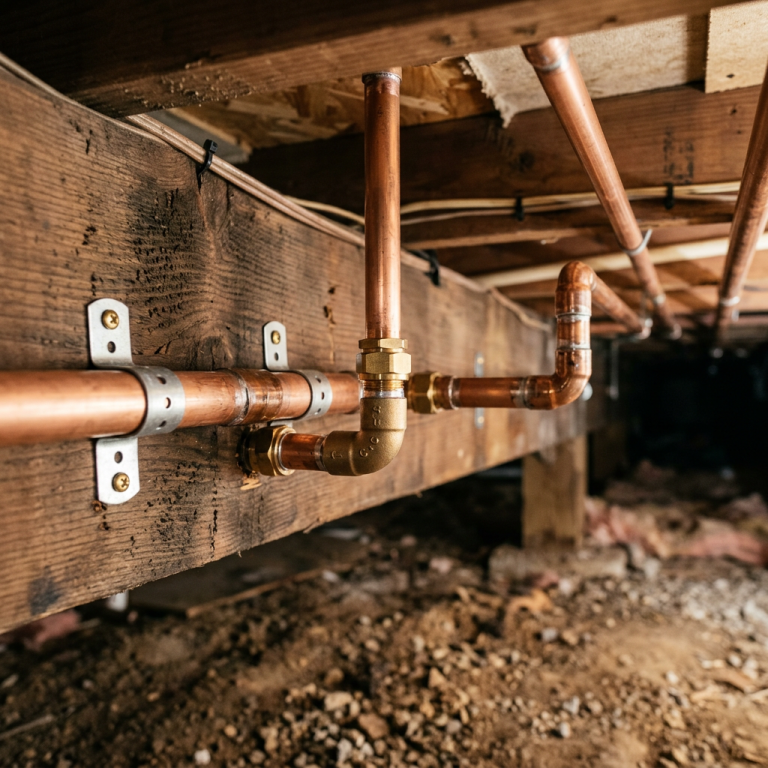
A slab leak is any leak in the water supply or drainage pipes located beneath the concrete foundation slab of a home. Modern homes built since the 1960s typically have water supply lines running under or through the concrete foundation. Copper pipes were the standard material through the 1980s, and while copper is durable, it is susceptible to corrosion over decades, particularly in areas with slightly acidic water or high mineral content — conditions that exist in parts of the San Gabriel Valley.
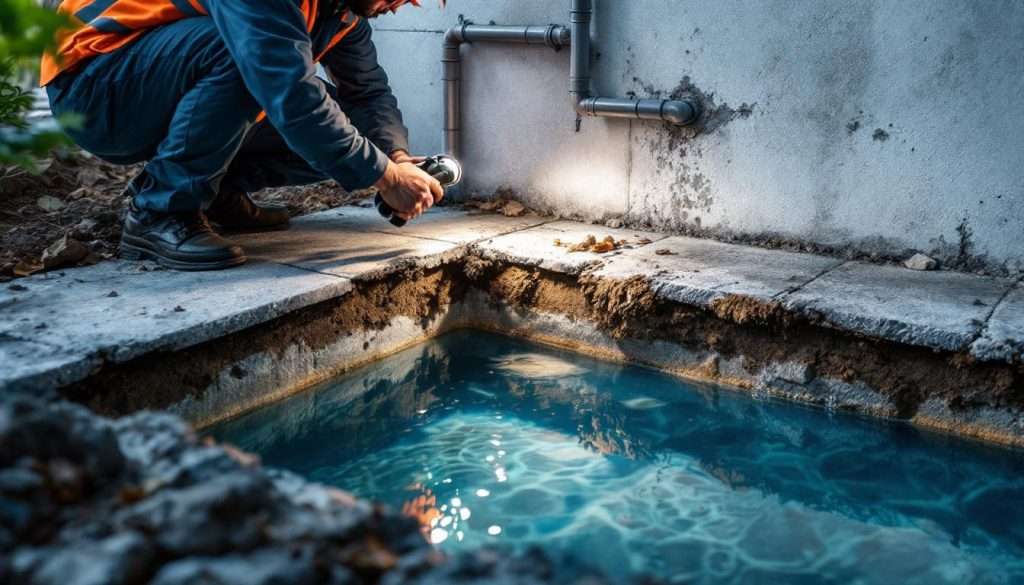
The danger of a slab leak comes from what happens when water escapes under the slab. The soil beneath the foundation expands when it absorbs water. As the soil beneath one section of the foundation absorbs more water than the soil beneath surrounding sections, differential swelling occurs. This creates uneven pressure on the foundation, which can cause cracking, heaving, and shifting. Left unaddressed, the foundation damage spreads and the repair cost grows from simple pipe repair to full foundation reconstruction.
Beyond foundation damage, slab leaks left running can:
– Saturate the soil and create conditions for mold and mildew beneath the home
– Cause persistent low water pressure throughout the house
– Drive water bills skyward with no visible explanation
– Erode soil support beneath the slab, creating voids that accelerate settling
The First Warning Signs to Watch For
Slab leaks rarely announce themselves with dramatic symptoms immediately. Here are the signs that appear in the early stages, before the leak has done serious damage:
Unexplained high water bills. This is the most reliable early indicator. If your water bill jumps by 20 percent or more in a single billing cycle and your household usage has not changed, a slab leak is one of the primary suspects. The leak runs continuously, 24 hours a day, 7 days a week, whether anyone is using water inside the house. A leak running at even 1 gallon per minute will add over 40,000 gallons of water usage in a 30-day month — enough to significantly inflate a bill.
The sound of running water when all fixtures are off. Go room to room and confirm every faucet, toilet, and water-using appliance is completely off. Then stand still near walls and listen. If you can hear the faint sound of water running or rushing somewhere behind the walls or beneath the floor, the water line is losing pressure somewhere in the system.
Hot spots on the floor. A hot water line leak under the slab will warm the concrete above it. If you place your hand on the floor in various areas and notice one section that is noticeably warmer than the surrounding floor, there may be a hot water line leaking beneath that spot. This is more apparent on tile or hardwood floors than on carpeted areas.
Damp or warm spots on carpet without explanation. If areas of carpet that have not been spilled on feel damp, or if carpet padding seems to be compressing unevenly without a heavy furniture cause, moisture from beneath the slab may be the explanation.
Cracks in the foundation or in the walls above it. Hairline cracks in concrete foundation slabs are normal as houses settle. New cracks that appear, existing cracks that widen, or cracks that appear in a stair-step pattern in interior walls (particularly above the garage door or at the corners of windows and doors) can indicate foundation movement from water-related soil conditions. Our drain cleaning team also inspects sewer lines for root intrusion and pipe damage that can cause similar symptoms.
How to Confirm You Have a Slab Leak
If you have one or more of the warning signs above, the next step is confirmation. Two methods are used to locate slab leaks:
Pressure testing. A plumber isolates sections of the water supply system and pressurizes them with air. If the pressure drops over a defined test period, that section has a leak. Pressure testing narrows the location of the leak to a specific section of pipe without requiring excavation.
Electronic leak detection. Also called acoustic detection, this method uses specialized listening equipment to detect the sound of water escaping from a pressurized pipe. Technicians use ground microphones and electronic sensors to identify the precise location of a leak sound, typically with accuracy within 12 to 18 inches. This allows targeted excavation rather than guesswork demolishment of the concrete slab.
Western Rooter’s team uses electronic leak detection as the primary locating method because it is non-invasive and pinpoints the exact location before any concrete is broken. We then provide a written estimate that clearly shows where the leak is, what section of pipe needs repair, and what the repair involves — including whether the repair can be made without full slab penetration.
Repair Methods and When Each Is Used
The repair method for a slab leak depends on the location of the leak, the condition of the surrounding pipe, and whether the section of pipe is accessible without major excavation.
Spot repair (most common). If the leak is located in a section of pipe that runs near the edge of the slab or through a wall, the plumber may be able to access and repair the specific leak point with minimal concrete demolition. This is the least invasive and least expensive repair option, typically $1,500 to $4,000 depending on access complexity.
Pipe rerouting. If the leaking pipe runs through a section of the slab that is difficult to access, or if the pipe is corroded in multiple locations, rerouting the water line to run along an exterior wall or through the attic may be the better solution. This abandons the damaged pipe under the slab and installs new piping in accessible locations. This is more expensive than spot repair ($3,000 to $8,000) but eliminates the risk of future leaks in the same pipe run.
Full or partial repiping. If the home has copper piping that is corroded in multiple locations (common in homes built between 1970 and 1990), a slab leak in one location often means other sections of the same pipe run are not far behind. Repiping the affected branch with new PEX or copper piping eliminates the problem permanently. Cost varies widely based on the size of the home and whether repiping is done simultaneously with other renovation work.
Trenchless pipe lining. For some cases, a trenchless pipe lining solution can be used where a new lining is inserted into the existing pipe without excavation, sealing the leaks from the inside. This is less commonly applicable for supply line repairs but is worth discussing with your plumber if it is an option for your specific situation.
Why Homes in the San Gabriel Valley Are Particularly Susceptible
The San Gabriel Valley’s combination of older housing stock and regional soil conditions creates specific vulnerabilities for slab leaks. Homes built between 1960 and 1985 frequently have copper supply lines that were installed during that era’s preference for copper plumbing, and many of those pipes are now reaching the age where pinhole corrosion becomes more common.
The soil in parts of Glendora, San Dimas, Covina, and Azusa has a slightly acidic pH that accelerates corrosion in copper piping. Water utilities in the region monitor this, but the water chemistry in some neighborhoods creates conditions where copper pipe walls thin faster than in other areas. If your home was built in the 1970s and has never had plumbing work done, the original copper piping may be approaching the age where leaks become more probable.
Soil movement is another factor. The San Gabriel Valley’s geology includes areas with expansive clay soils that swell and shrink with moisture changes. This cyclical movement creates stress on underground pipes at bends and joints, where movement is concentrated. A pipe that has survived decades of minor ground movement may develop a leak at a joint that has been gradually working loose over time.
If your home meets these characteristics — original copper plumbing from the 1970s or earlier in an area with known soil or water challenges — a proactive pressure test every 3 to 5 years can catch developing leaks before they become slab leaks. The cost of a pressure test is $150 to $300 and takes less than an hour. ## When You Should Call Immediately
Some situations cannot wait for a scheduled appointment. Call immediately if:
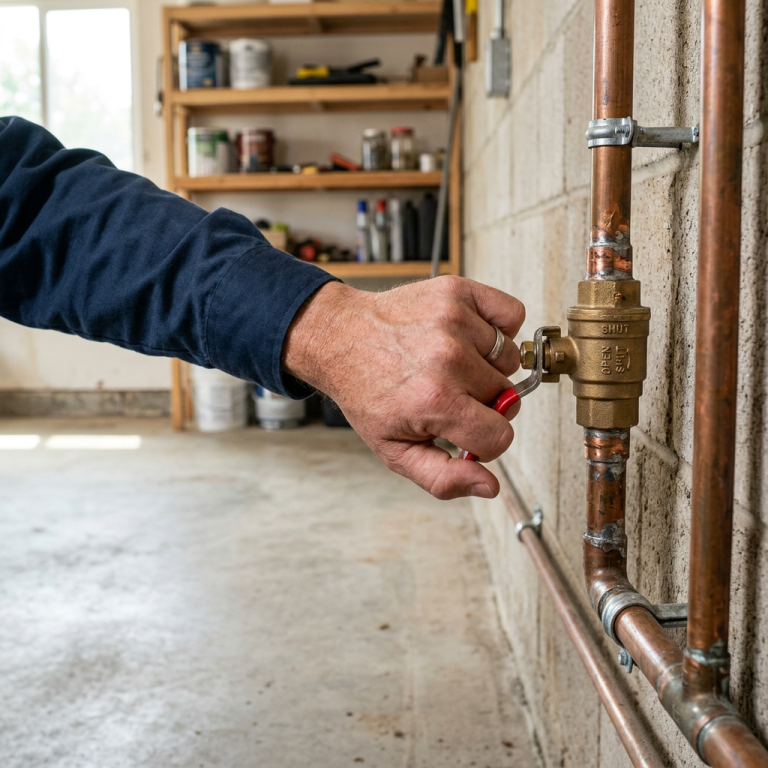
Your water meter is spinning when all water is off. This confirms an active pressurized leak somewhere in the supply system. Turn off the house main water shut-off valve (located where the water service enters the home, typically in the garage or at the front of the house) and call a plumber immediately.
You can see water pooling on the floor with no visible source. Water appearing on the floor in interior rooms without a visible plumbing source above means water is escaping from somewhere and accumulating on the surface — which means a significant leak has been running long enough to saturate the substrate and push water up through cracks.
New cracks are appearing rapidly in your foundation or interior walls. A crack that visibly changes shape over days or weeks indicates active movement. Do not wait for a scheduled appointment — this needs immediate investigation.
You smell mold or mildew in lower levels. A persistent musty odor in a basement or in the lowest level of the home, with no obvious source, may indicate long-term moisture accumulation from an undetected leak.
Slab leaks are not a problem you want to wait on. We also provide emergency plumbing services if your situation requires immediate response. If you suspect one, contact Western Rooter for electronic leak detection and an assessment. We serve Glendora, San Dimas, Covina, Azusa, Monrovia, and Pasadena.