Note to readers: This post was updated on July 21, 2026 to reflect current expectations for HOA plumbing vendors and add links to related multi-unit service guides. We refreshed the details below so the advice reflects how we approach this work today.
Choosing a plumber for an HOA is not the same as booking a faucet swap for a single house. You are hiring a vendor who will touch shared assets, after-hours emergencies, and board relationships for years. Price matters. Reliability, licensing, and honest diagnostics matter more.
Start with response and coverage
Backups do not wait for office hours. Look for true 24/7 live dispatch—not a voicemail box that pages someone at dawn. Ask how many techs are usually available after hours, typical arrival windows, and whether the company can pull jetter or camera equipment at night when a main is down.
Multi-unit work also needs scheduling flexibility for daylight common-area projects and unit access rules. A company that only works weekends or only wants easy residential calls will leave managers stuck when a stack backs up on a Tuesday holiday.
Licensed, insured, and permit-ready
Any durable HOA relationship requires proper licensing and insurance, including liability and workers’ compensation. Managers should keep current certificates on file. Permit-capable crews matter when repairs cross into city exports, sewer laterals, water heaters, or gas work. Unpermitted shortcuts create liability for the association even when the invoice looked cheap.
Preventive mindset over emergency addiction
A strong HOA plumber walks properties, documents risk, and suggests maintenance before failures. That includes recommending cameras on aging mains, annual jetting where grease and roots show up, and cleanout upgrades that lower future ticket costs. Reactive-only vendors profit when things flood. Preventive partners earn your business by reducing ticket volume.
Useful related reading for boards includes hydro jetting for HOAs and plumbing for HOAs when planning walk-throughs and maintenance calendars.
Communication that boards can use
Look for written findings, photos or video clips when relevant, plain-language options (clean, repair, replace), and estimates that separate must-do safety work from nice-to-have upgrades. Plumbers willing to attend a board meeting for major capital items usually understand HOA decision cycles better than door-to-door consumer brands.
- Clear after-hours contact tree
- Documented scopes before large jobs start
- Camera files labeled by date and line
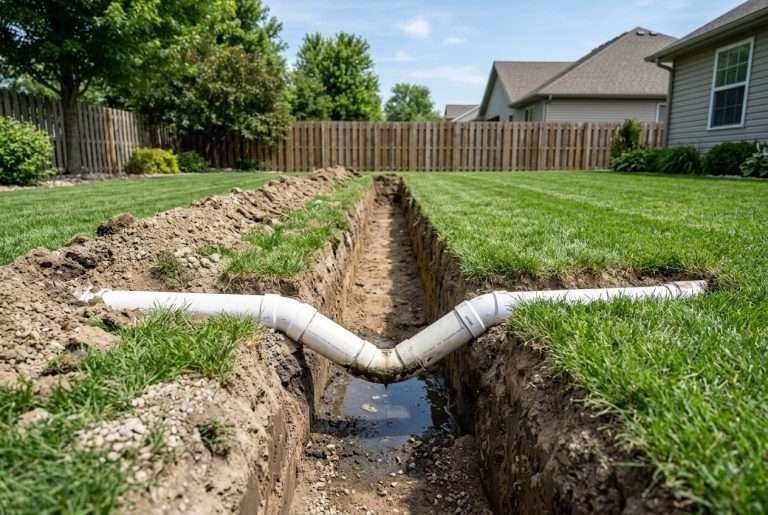
- Honest talk about trenchless vs open cut when pipe is failing
Local knowledge counts in the San Gabriel Valley
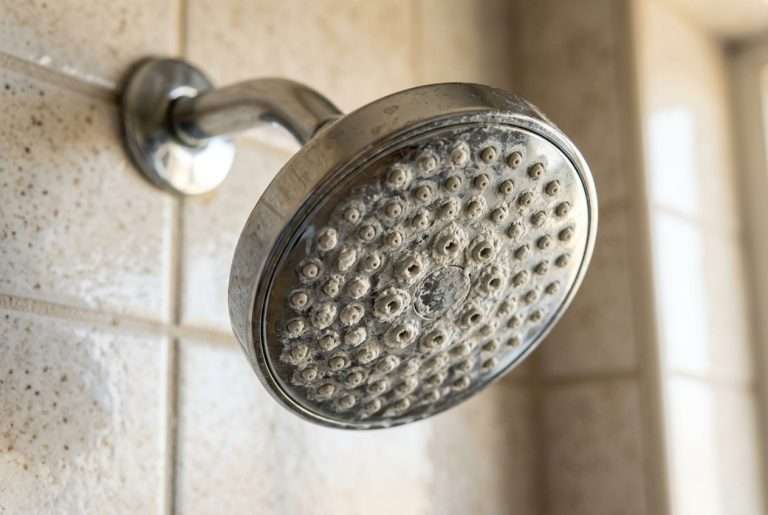
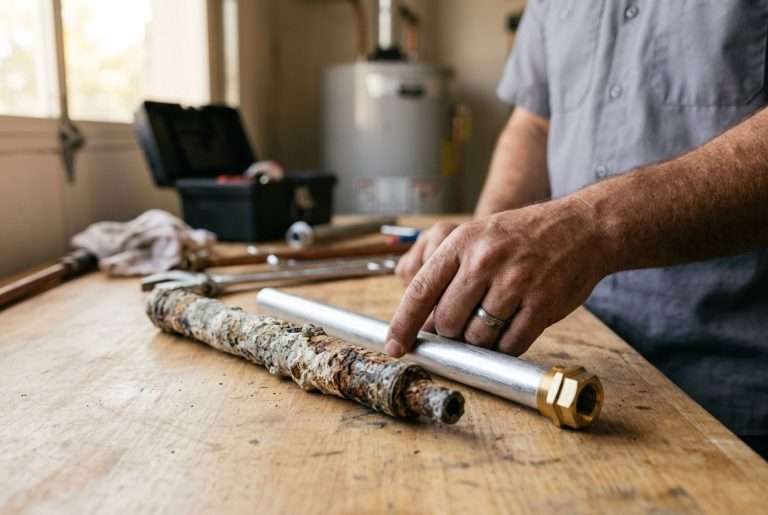
Older clay, cast iron, and mixed laterals are common around Pasadena, Arcadia, Monrovia, Sierra Madre, and nearby cities. Local crews know where roots love clay joints, how hard-water scale chews water heaters, and which cities push point-of-sale lateral work. Faster travel time also means less saturated drywall while you wait.
When conference-table decisions include sewer options, reference materials like how to tell if a drain clog is really a sewer problem help non-plumbers ask better questions.
Red flags
- No license or insurance paperwork after more than one ask
- Pressure to approve huge digs without video proof
- One price, no options, no explanation of why
- Only snaking recurring mainline failures with no inspection plan
- Poor communication with on-site managers or unit owners
Where Western Rooter fits
Western Rooter is a local, family-run shop serving HOAs and multi-unit properties with emergency response, cameras, drain cleaning, hydro jetting, water heaters, and repair work. If your association needs a second look at vendors or a practical maintenance plan, call 626-448-6455 and talk through the property before the next outage sets the agenda.