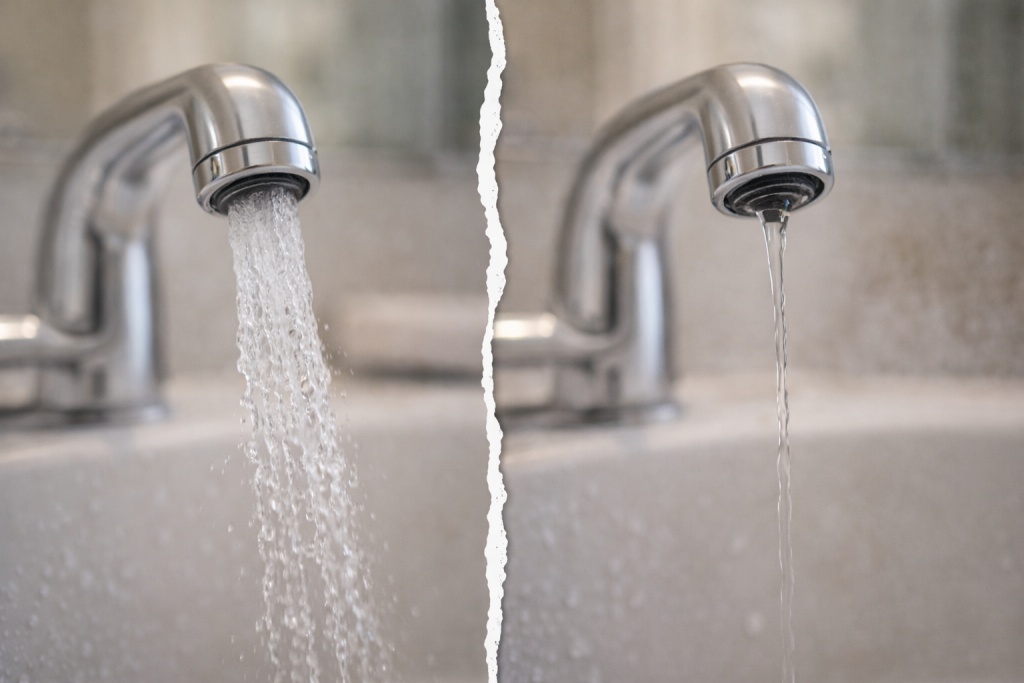
You know that frustrating moment you turn on your shower and get a weak trickle instead of a strong spray? Low water pressure can make simple tasks like washing dishes or showering a real hassle. Your home’s water pressure should range between 45-80 PSI. Any reading below 40 PSI means you’ve got low pressure. Most homes see pressure readings between 30 and 80 PSI, with the typical household averaging 40 to 45 pounds per square inch (PSI).
Homes with multiple residents feel the impact of low water pressure more acutely. The path to fixing this starts with identifying its root cause. Your home might have clogged sink aerators or problems with the main shut-off valve. Some factors lie beyond your control – pressure levels change throughout different parts of town, and buildings on the same street might experience different pressure levels.
This piece walks you through the most common reasons behind low water pressure and offers straightforward fixes. We’ve got solutions ready whether you’re facing a sudden pressure drop or dealing with an ongoing problem.
Check These First: Simple Fixes for Low Water Pressure
Let’s look at some quick fixes that might solve your low water pressure problems before you call a plumber. The simple explanation is often right, and many homeowners miss these basic issues.
Main shutoff valve not fully open
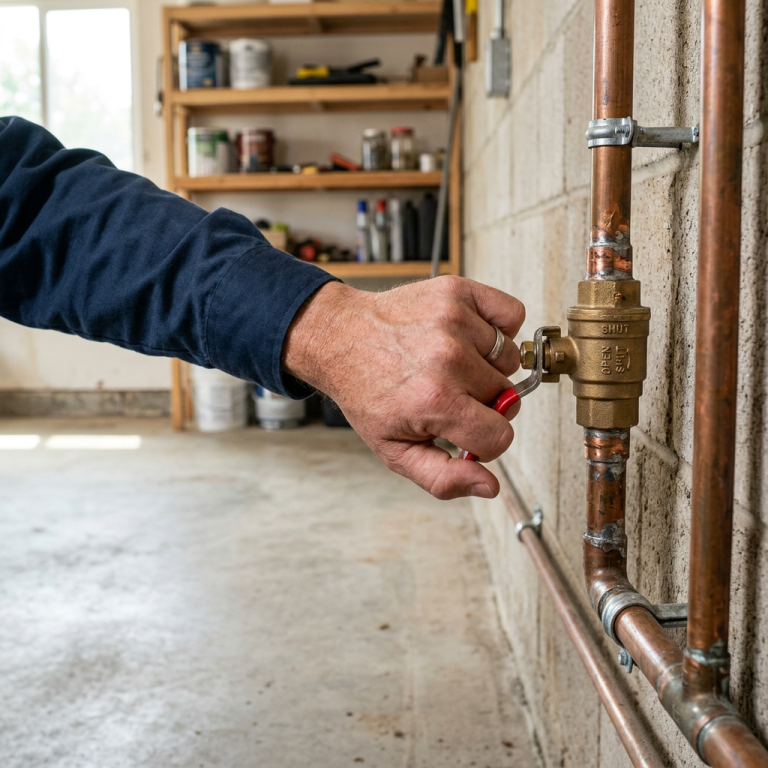
Your home’s main shutoff valve controls all incoming water and you’ll usually find it where the main city supply pipe enters through your foundation walls. You might find it outside if you live in a warmer climate. This valve might be partially closed if you’ve had recent plumbing work done.
To check your main shutoff valve:
- Locate the valve near where water enters your home
- For a gate valve (wheel-like handle), turn it completely counterclockwise
- For a ball valve (lever handle), make sure it’s parallel to the attached pipe
Even a quarter turn on this valve can reduce flow and pressure by a lot throughout your entire home. So if you notice less pressure after repairs or maintenance, this is probably why.
You might find the valve keeps turning with no change in pressure – this means the valve could be broken inside and needs replacement. The good news is that if opening the valve fully fixes your pressure issues, you’ve solved the problem!
Water meter valve partially closed
Your water meter valve works like the main shutoff valve but sits in a different spot. This valve belongs to your municipality and connects to the system that tracks your water usage. You’ll typically find it near the street or at your property line.
The water meter valve’s main goal is to regulate water flow into your home. A partially closed valve restricts flow by a lot through your entire plumbing system and causes pressure drops in most fixtures. Sometimes technicians forget to reopen it fully after meter readings, repairs, or replacements.
You shouldn’t adjust the water meter valve yourself, unlike your main shutoff valve. If you think this might be causing your low pressure, call your water company to check if it’s fully open, especially when you’ve had recent work done in that area.
Individual fixture valves turned off
The problem might be with individual shutoff valves if only certain fixtures have low pressure while others work fine. Each sink, toilet, washing machine, and most appliances have their own shutoff valves that control water flow to just that fixture.
These valves are usually located:
- Under sinks or behind toilets
- Near your washing machine connections
- Behind access panels for showers or tubs
- In the basement directly beneath fixtures
These valves can become partially closed by accident, maybe during cleaning or previous repairs. Each faucet usually has its own shutoff valve beneath the sink or nearby in the supply line. Water flow to that specific faucet gets restricted if this valve isn’t fully open or has mechanical issues.
You can fix this by checking all visible valves in your home and making sure they’re fully open. For most valve types, turn them counterclockwise until they stop or position handles parallel to their pipes.
Note that all valves should be completely open to get maximum water pressure in your house. Opening a partially closed valve should improve flow and pressure right away.
It might be time to call in the professionals if you’ve tried all these simple fixes and still have low water pressure. Contact a licensed plumber today to get a free estimate!
External Causes You Might Overlook
Low water pressure problems don’t always start inside your home. You should look beyond your walls at these external factors that many homeowners miss, even after checking all valves.
Water supplier issues or maintenance
Your municipal water system can affect your home’s water pressure through occasional disruptions. Water pressure naturally changes throughout the day based on your neighborhood’s usage patterns. You might notice weaker pressure from your faucets and showerheads during busy times – early mornings and evenings when people get ready for work or finish their chores.
The seasons play one of the most important roles in pressure changes. Summer months can bring lower pressure because neighbors water their gardens and lawns, which puts more strain on the shared system. Your water supplier might also be fixing a water main break, doing maintenance work, or making system repairs that affect your service.
Here’s how to find out if your supplier is causing pressure problems:
- Check if your neighbors have the same issues
- Ask your local water utility about known problems
- Get information about maintenance work in your area
You’ll have to wait for repairs if the supplier confirms they’re working on the system. You might need to promote your case more strongly or think over other options if they say there aren’t any issues or don’t respond.
City water pressure regulations
Municipal regulations and physical infrastructure directly affect your home’s water pressure. City water systems create pressure through storage tanks placed at high spots – water weight combines with gravity to push water through the distribution network.
Residential water pressure typically ranges between 45 and 80 PSI (pounds per square inch), and anything under 40 PSI is low. Many factors determine the final pressure at your taps:
- Your home’s height compared to storage tanks
- How far you are from the main water supply
- Main water line size
- Number of homes using the same system
Some neighborhoods get lower pressure because cities changed water regulations to fix various issues. You might need a water pressure booster system to make up for the regulated lower pressure.
Shared water lines with neighbors
Shared pipeline systems can surprise homeowners with pressure problems. Older neighborhoods often have water supply lines that feed multiple homes at once. Shared lines split your available pressure whenever connected houses use water, though you won’t pay for their usage.
The effect is similar to what happens in your home. Your shower pressure drops when someone flushes a toilet. With shared lines, your neighbors’ water use creates the same effect.
This setup leads to unpredictable pressure changes as everyone competes for water. You can try these solutions for shared line issues:
- Use water when your neighbors don’t
- Talk to neighbors about timing high-water activities
- Install a water pressure booster made for shared systems
- Get a plumber to install your own line from the municipal supply – though this can get pricey
Make sure to check with your water supplier before changing shared lines. Some changes might affect your neighbors or break local rules.
A professional plumber might be your best next step if these external factors keep causing pressure problems despite your efforts.
Internal Plumbing Problems That Reduce Pressure
You’ve checked the valves and external issues, but your low water pressure problem might be hiding inside your walls. Your daily water use takes a hit when plumbing problems develop slowly and go unnoticed.
Clogged or blocked pipes
Your home’s pipes collect debris and mineral deposits that restrict water flow, just like arteries narrowing from cholesterol. Water squeezes through smaller openings in clogged pipes, which causes pressure drops throughout your home. Hard water creates bigger problems because excess calcium and magnesium stick to pipe interiors and create partial blockages that get worse with time.
These blockages don’t happen overnight. You might notice your water pressure dropping slowly over months or years as buildup collects. Many homeowners don’t fix the problem until their faucets barely trickle because the changes happen so gradually.
Signs of clogged pipes include:
- Water pressure that keeps getting worse
- Water that starts strong but quickly loses pressure
- Strange banging, rattling, or hissing sounds from pipes
Corroded or aging plumbing
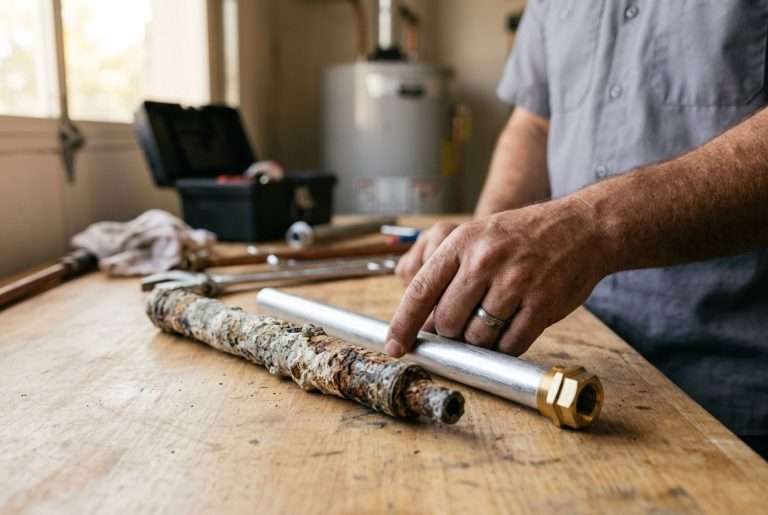
Pipe materials last for different lengths of time. Galvanized steel pipes usually work for 20-50 years before corrosion takes its toll. Copper pipes can last beyond 50 years, and brass pipes stay functional for 40-70 years. Aging pipes develop rough inner surfaces that narrow the pipe and disrupt water flow.
Houses built before the 1960s typically have galvanized iron pipes that rust easily. Rust flakes can break off these deteriorating pipes and create more blockages where pipes turn or connect. This corrosion can release iron and other metals into your water, which might cause discoloration and health issues.
Leaks in the system
Small leaks can reduce your water pressure by a lot. Picture a balloon with a tiny hole – pressure constantly escapes and reduces force everywhere. A leak just 1/32″ wide wastes about 6,300 gallons each month!
Leaks often show up at pipe joints, around fixtures, or in old pipes with weak spots from corrosion. These sneaky water wasters don’t just lower pressure – they can cause water damage, grow mold, and make your water bills skyrocket. Household leaks waste almost 10,000 gallons yearly, and nearly 10% of homes have leaks wasting 90 gallons daily.
Your low water pressure might stem from internal plumbing problems. A licensed plumber can help – reach out today for a free estimate!
When Fixtures Are the Culprit
Your plumbing fixtures might reveal the real cause of water pressure problems. Perfect pipes and city pressure won’t help if the water exit points have issues.
Dirty or clogged aerators
Aerators, those small mesh screens at your faucet ends, are vital to control water flow. These screens collect mineral deposits as time passes, which blocks water from passing through their tiny holes. A clogged aerator only affects that one faucet while other fixtures work fine.
Signs of a clogged aerator include:
- Water flow drops from a single faucet
- Water stream becomes uneven or splashes
- The faucet makes odd noises (hissing or whistling) while running
Cleaning an aerator takes little effort. You can unscrew it from the faucet end and soak it in white vinegar overnight. This dissolves mineral deposits, and a quick scrub with a toothbrush before putting it back does the trick. Yes, it is best to clean them every six months to avoid pressure drops.
Faulty showerheads or faucets
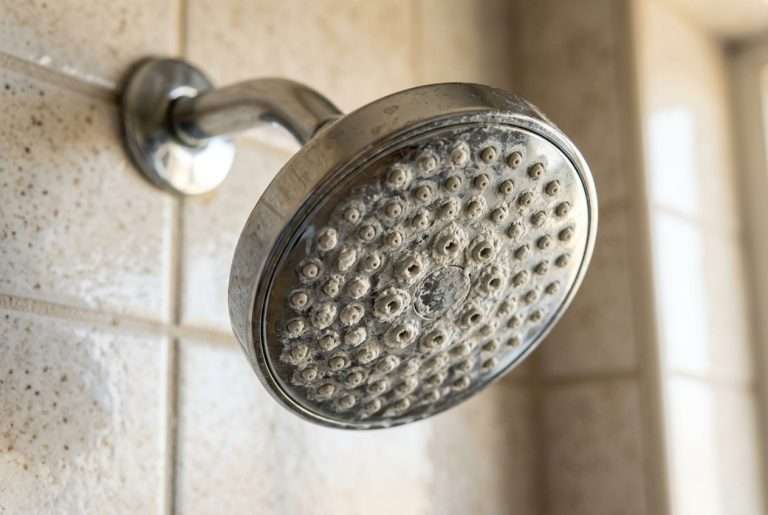
Like aerators, showerheads get clogged with mineral deposits that block water flow. On top of that, faucet cartridges can wear out or get blocked with sediment.
Soaking your showerhead in vinegar will dissolve most mineral buildup. A gentle scrub of the nozzles removes any leftover deposits. The whole unit might need replacement if cleaning doesn’t help, since some models have built-in flow restrictors that limit water pressure.
Faucet cartridges usually need replacement instead of cleaning when pressure drops occur. This quick DIY fix can bring back proper flow right away.
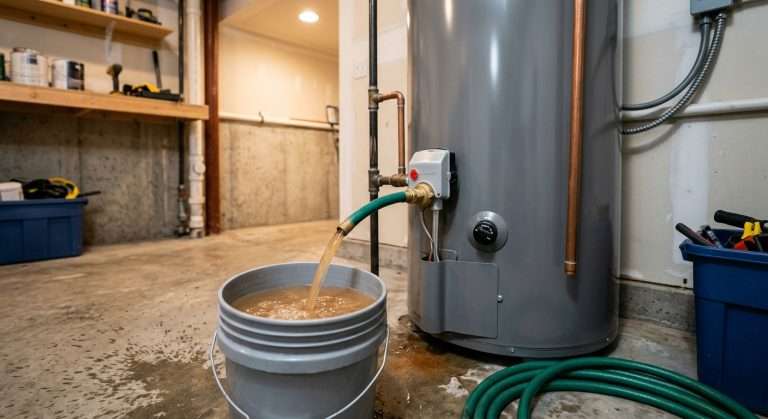
Hot water pressure issues from heater
Low pressure from hot water taps often points to water heater problems. Sediment at the tank bottom can restrict flow and reduce hot water capacity. A failing pressure relief valve might also cause pressure changes throughout your home.
The hot water heater’s shut-off valve might be half-closed after maintenance, which causes big pressure drops. Make sure this valve stays fully open.
Hot water pressure problems that won’t go away might need a heater flush to clear built-up sediment. Regular yearly maintenance stops most pressure issues before they start.
Advanced Fixes and Long-Term Solutions
Simple fixes might not resolve persistent low water pressure problems. You need to think about more substantial solutions. These upgrades need investment but will permanently fix those frustrating pressure issues.
Installing a water pressure booster
A water pressure booster system could be your answer if standard methods don’t work. These systems boost incoming water pressure and ensure consistent flow to all fixtures. They work great for homes at high elevations or at the end of supply lines. The system’s installation needs professional expertise because wrong setup can damage your plumbing. Boosters are placed near the main water line entry point and work best with additional components like pressure tanks. The cost varies between $300-$8,000 based on the system’s size and complexity. Homeowners with well systems see remarkable improvements with these pumps.
Replacing narrow or outdated branch lines
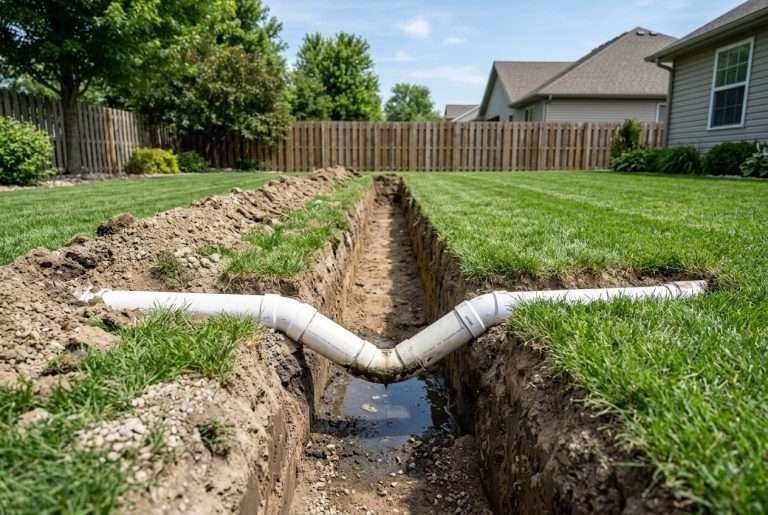
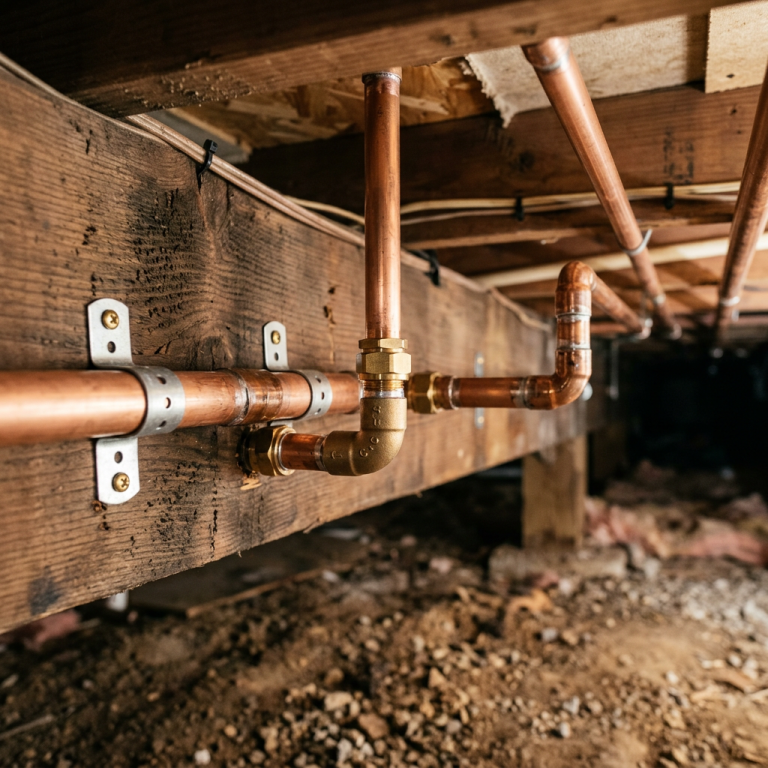
Old homes struggle with undersized or deteriorated branch lines that limit water flow. These narrow pipes create system bottlenecks that become obvious when multiple fixtures run at once. New, wider pipes eliminate these restrictions. The project requires opening walls or accessing crawl spaces, but better flow makes it worthwhile. Larger diameter pipes of at least 1 inch will improve pressure significantly.
Upgrading to a modern pressure regulator
Pressure regulators keep input pressure at safe levels, but faulty units often cause pressure drops. Modern regulators deliver better accuracy with less maintenance and new features. An upgrade gives you precise adjustment ranges and improved stability during varying flow conditions. Some units even work with home automation systems. The benefits go beyond better pressure. You’ll see energy savings from reduced pressure losses and longer service intervals thanks to improved materials and design.
Conclusion
Low water pressure can make simple daily tasks frustrating, but the solutions might be easier than you think. We analyzed common causes that turn your expected strong, invigorating spray into a disappointing trickle.
Most homeowners find their pressure problems come from partially closed valves or clogged aerators – quick fixes that take just minutes. Some face tougher issues like corroded pipes or municipal supply limits that need professional help.
Water pressure works best between 45-80 PSI in most homes. You should check any pressure below 40 PSI using the steps listed above. The process is simple – check your main shutoff valve, water meter valve, and fixture valves before looking at complex issues.
Outside factors definitely play important roles. Your neighbor’s water use, city rules, and seasonal needs affect your faucet’s pressure. In spite of that, internal problems like pipe corrosion, hidden leaks, and fixture issues are the most common problems you can fix.
Good maintenance stops most pressure issues early. Clean your aerators twice a year, flush the water heater yearly, and fix leaks right away to keep strong, steady water pressure in your home.
When problems persist, think over long-term fixes like pressure boosters, pipe upgrades, or modern pressure regulators. These options need money upfront but give lasting relief from annoying pressure problems.
Bad water pressure shouldn’t disrupt your daily life anymore. This knowledge helps you spot the problem’s source and take action. When DIY fixes aren’t enough, professional plumbers are a great way to get help with complex pressure issues.
Call Western Rooter today for a free estimate! Our team is ready to diagnose and solve your water pressure problems, giving your home’s plumbing the powerful flow it deserves.