
What is a P-Trap?
A P-Trap is an important part of your plumbing system. It helps to prevent sewer gas from entering your home, and it also collects water to keep your pipes from freezing in the winter. If you are having problems with your P-Trap, or if you are not sure if it needs to be repaired or replaced, read on for more information!
What does a P-Trap do in plumbing?
A P-Trap is important to your plumbing system because it helps to prevent sewer gas from entering your home. It also collects water to keep your pipes from freezing in the winter. Here are some more important reasons that plumbers use P-Traps:
- They prevent clogs by trapping debris from entering the sewer line. A P-Trap is specially designed to hold water in the “P” shape, which creates a barrier against clogs.
- They keep sewer gas from entering your home. When water is present in the trap, it forms a seal that prevents sewer gas from passing through. This is important because sewer gas can be harmful to your health… and doesn’t smell the best.
- They provide an easy way to access the drain line for cleaning. The P-Shape of the trap allows plumbers to easily clean the drain line without having to remove the entire plumbing fixture.
When were P-Traps invented?
P-Traps were invented in the 19th century, and they have been used in plumbing systems ever since. They gained popularity as city populations increased, and sewer systems became overloaded – leading to a lot of unwanted smells.
The P-Trap is ingeniously designed to use physics to prevent sewer gas from entering your home, while also providing an easy way for plumbers to clean the drain line. So next time you’re wondering what that “P” shaped plumbing fixture is called, now you know – it’s a P-Trap!
How to tell if your P-Trap is working correctly:
If your P-Trap isn’t working correctly or as intended, then it could lead to a series of unwanted problems, including:
- Sewer gas smells in your home
- Clogged drains
- Pipes that freeze in the winter
So, how can you tell if your P-Trap needs maintenance?
- Backed up sink drain. If your sink drain can’t handle the water being turned on for more than a few seconds without backing up, but drains all the way (very slowly), then this could be a problem with your P-Trap.
- Leaking P-Trap. If there’s always a wet spot underneath your sink, or inside of the cabinet where your sink is installed, then you might have a leaky P-Trap. This can be a very simple fix, so read on.
- Sewage smell in the bathroom. If there’s a sewage smell in your bathroom, check to see whether or not it’s coming from your P-Trap. If it is, then you can do a few things to try and fix it…
How do you service a P-Trap?
The first thing you should do when attempting to service a P-Trap yourself is to get a bucket or a bowl and place it underneath the P-Trap. We’re going to be loosening and removing it, and there will be a buildup of water and debris – the bucket will catch it so it doesn’t land all over the floor and splash you.
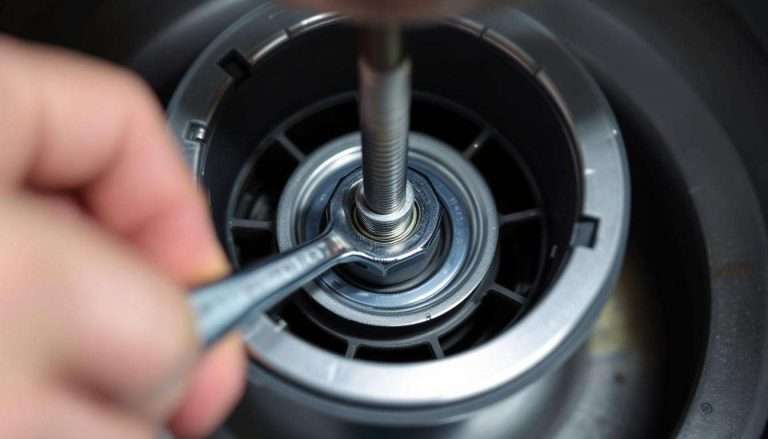
Next, loosen the slip nuts that are holding the P-Trap in place. You might need a wrench for this, and it’s usually best to use an adjustable one so you can get a good grip. If you’re having trouble loosening them, try using some WD-40 or another lubricant.
Once the slip nuts are loose, remove the P-Trap from the drain line. This is where the bucket comes in handy, as there will be water and debris that comes with it.
Now that the P-Trap is removed, you can clean it out. Use a brush to scrub away any build-up of debris, and rinse it thoroughly with water. If there is any corrosion present, you can try using a wire brush to remove it.
Before reattaching the P-Trap, take a look into the sewer line and see if you can spot any obstructions. If you can, then take a look at this guide to help you clear a sink drain using a plumber auger.
Once the P-Trap is clean, you can reattach it to the drain line and hand-tighten the slip nuts. Be careful not to over-tighten them, as this could damage the P-Trap.
Now turn on the water and check to see if everything is back in working condition.
If it is – congratulations! If not, give us a call and we will come give you a hand.