Sewer line cleaning using hydrojetting has become the gold standard for clearing stubborn clogs and restoring proper flow to your home’s plumbing system. However, many homeowners find themselves wondering whether cleaning is sufficient or if complete replacement might be necessary. Fortunately, hydrojetting does more than just clear blockages—it also reveals crucial information about your pipes’ overall health and structural integrity.
When your drains start backing up or moving slowly, the powerful water jets used in hydrojetting not only blast away debris but also expose underlying issues that might otherwise remain hidden. In fact, professional plumbers often use this method as both a cleaning solution and a diagnostic tool. Beyond that, understanding what hydrojetting reveals about your sewer lines can save you thousands of dollars by helping you make informed decisions about repairs versus replacement.
This article explores how hydrojetting works, what specific pipe problems it can identify, when cleaning alone is sufficient, and when the evidence points to necessary replacement. By the end, you’ll understand exactly what those powerful water jets are telling you about the state of your sewer system.
How Hydro Jetting Works and What It Reveals
Hydro jetting represents advanced plumbing technology that uses strategically controlled water to clean and diagnose sewer lines. Understanding the mechanics behind this process reveals why it’s so effective at both clearing blockages and identifying underlying pipe issues.
Water Pressure Range: 1,500–4,000 PSI Explained
The remarkable cleaning power of hydro jetting comes from its extraordinary pressure levels. Professional hydro jetting equipment operates between 1,500 and 4,000 PSI (pounds per square inch) 1, which is approximately 100 times more powerful than standard household water pressure. This significant force enables the water to cut through stubborn blockages including hardened grease, mineral deposits, and even invasive tree roots.
Different pressure levels serve specific purposes in the cleaning process. For instance, technicians typically select lower pressures for older or more fragile pipes, while newer PVC lines can withstand higher pressures. Professional plumbers carefully calibrate the pressure based on:
- Pipe material and age
- Type and severity of blockage
- Pipe diameter and configuration
The pressure level directly impacts both cleaning effectiveness and pipe safety. Furthermore, experienced technicians adjust pressure settings throughout the process, depending on what they discover about the pipe’s condition.
Nozzle Design and Pipe Wall Coverage
While pressure provides the force, the nozzle directs it effectively. Specialized nozzle designs dramatically influence how water interacts with pipe walls and obstructions. Most professional systems utilize nozzles with strategically positioned jets that spray in multiple directions simultaneously 2, creating a 360-degree cleaning pattern.
Various nozzle types serve different functions:
- Rotating nozzles scour pipe walls thoroughly, providing wall-to-wall cleaning 3
- Penetrating nozzles use a narrow spray pattern to punch through blockages 3
- Radial nozzles offer maximum traction power through rear-facing jets 4
- Specialized nozzles like “chisel point” designs break through exceptionally tough clogs 3
The nozzle selection process involves considering the pipe diameter, blockage type, and cleaning objectives. Additionally, proper nozzle maintenance significantly impacts performance, since worn nozzles create “sprawling” water jets instead of concentrated streams, dramatically reducing cleaning power 5.
Video Inspection Before and After Jetting
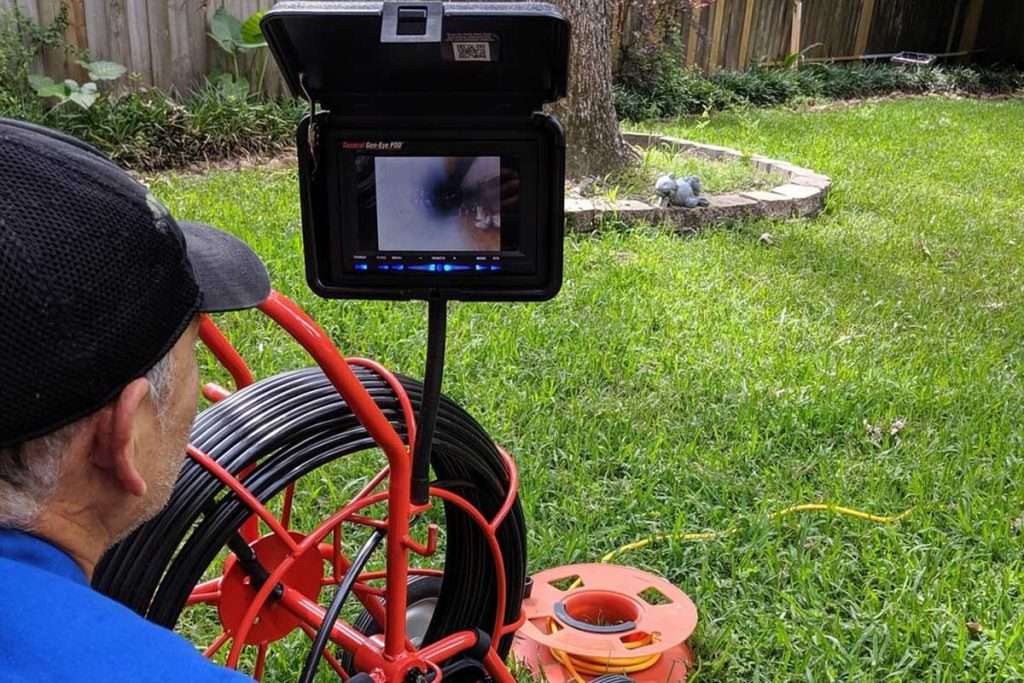
Video inspection serves as the diagnostic backbone of effective hydro jetting, occurring both before and after the cleaning process. Initially, technicians insert a specialized camera mounted on a semi-rigid push cable into the drain line through an access point 6. This camera, equipped with a 512 Megahertz transmitter, allows precise location identification of problem areas 6.
The pre-jetting inspection reveals:
- Exact location and composition of blockages
- Pipe material and condition
- Potential structural issues like cracks or offset joints
- Presence of tree root intrusions
Subsequently, a post-jetting inspection confirms successful cleaning and provides critical insights about pipe health. This follow-up examination often reveals previously hidden issues such as:
- Pipe misalignments or joint problems
- Corrosion or deterioration
- Minor cracks or weak spots
- Signs of impending failure
Together, these before-and-after inspections transform hydro jetting from a simple cleaning method into a comprehensive diagnostic tool. The results ultimately guide recommendations about whether further cleaning will suffice or if replacement might be necessary.
Common Sewer Line Issues Detected by Jetting
Hydrojetting reveals far more about your sewer system than simply clearing blockages. During this cleaning process, technicians can identify specific pipe problems that might require immediate attention or signal potential future failures.
Grease and Sludge Buildup Patterns
The interior surfaces of sewer pipes often accumulate grease and organic matter, particularly in kitchen drain lines. When hot grease enters cold pipes, it immediately begins to harden and stick to pipe walls, creating an increasingly restrictive layer. Over time, these deposits can reduce your pipe diameter by 75% or more, severely limiting flow capacity 7.
Hydrojetting exposes distinct grease buildup patterns that tell a story about your usage habits. Grease doesn’t typically form uniform deposits; instead, it creates:
- Chunky accumulations at pipe joints
- Thick layers along the bottom of horizontal runs
- Wave-like patterns where flow has been restricted
These patterns appear during camera inspections as yellowish-brown masses that resist normal water flow. Moreover, grease acts as a “sticky trap” for other debris, creating compound clogs that worsen over time 7. Jetting these accumulations reveals whether the pipe walls have been damaged underneath or if the issue was purely a surface buildup.
Tree Root Intrusion Visibility
Root intrusions cause more than 50% of all sewer blockages, making them among the most common and destructive pipe problems 8. Though roots don’t initially damage pipes, they aggressively exploit existing cracks, leaks, or joint separations.
Hydrojetting effectively cuts through these invasive roots, consequently revealing:
- Entry points where roots have penetrated the pipe
- The extent of structural damage around root masses
- Whether roots have created offset joints or pipe misalignment
Generally, root removal through hydrojetting must occur every one to two years in smaller-dimension pipes 8. Yet this cleaning process serves another crucial purpose—it exposes whether roots have caused irreparable damage or if they’re merely exploiting minor leaks that could be repaired without full replacement.
Scale and Mineral Deposits in Cast Iron Pipes
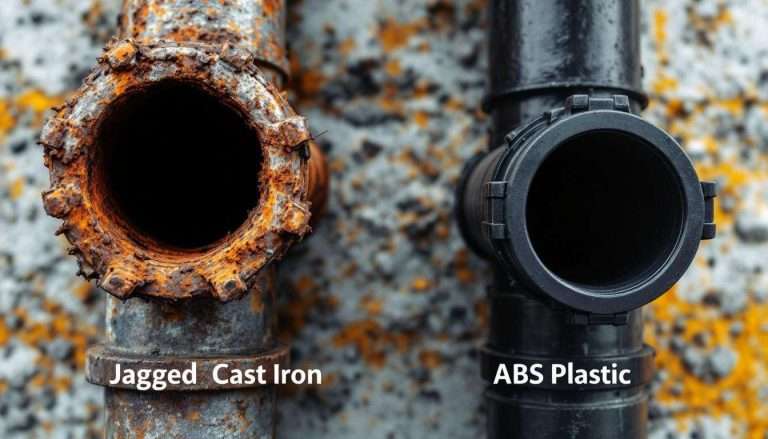
Cast iron pipes, common in older homes, are particularly susceptible to scale buildup. This occurs when minerals like calcium, magnesium, and iron from water accumulate on pipe interiors 9. The rough interior surface of cast iron provides an ideal environment for mineral attachment, forming a hard, chalky layer that progressively narrows pipe diameter 10.
Hydrojetting removes these deposits and reveals:
- The severity of underlying pipe corrosion
- Areas where scaling has accelerated pipe deterioration
- The pipe’s remaining interior diameter after cleaning
Indeed, effective scale removal through hydrojetting can dramatically improve flow in older cast iron pipes. Nevertheless, post-jetting inspection often exposes whether the pipe has been irreparably damaged by corrosion underneath the scale, which might require pipe replacement rather than just cleaning 9.
Collapsed or Cracked Pipe Indicators
Perhaps most importantly, hydrojetting helps identify structurally compromised pipes. After clearing blockages, camera inspection can reveal:
- Pipe sagging or “bellies” that collect sediment
- Offset joints that create flow restrictions
- Fractures or complete collapses in the pipe wall
A collapsed section often creates a characteristic water backflow pattern during jetting—water unable to move forward through the damaged area will return toward the entry point 11. Additionally, hydrojetting water that seeps into surrounding soil through cracks might create visible ground saturation above the line.
Essentially, these structural issues typically require repair or replacement rather than cleaning alone, making hydrojetting an invaluable diagnostic tool before committing to costly replacement projects.
When Hydro Jetting Is Enough to Restore Flow
Unlike traditional drain cleaning methods, hydrojetting often eliminates the need for costly pipe replacement. This powerful technique offers a complete solution in many scenarios where pipes remain structurally sound despite serious flow issues.
Soft Blockages Cleared Without Structural Damage
Hydrojetting excels at eliminating soft blockages that restrict flow without requiring invasive replacement. These materials respond exceptionally well to high-pressure water:
- Grease and fat deposits that have accumulated over time
- Food debris and organic matter buildup
- Hair clogs and soap scum in bathroom lines
- Toilet paper and sewage debris accumulation
The pressurized water breaks down these materials completely, flushing them safely through the system. Accordingly, a thorough hydrojetting service leaves pipe walls smooth and clean, removing buildup that traditional snaking methods often miss. This process creates a “clean slate” effect, allowing water to flow freely through the entire diameter of the pipe once again.
Recurring Clogs Solved by Wall Cleaning
Perhaps most impressively, hydrojetting effectively addresses chronic clogging issues that plague many homeowners. Whereas snaking merely pokes holes through blockages, hydrojetting’s 360-degree cleaning action scrubs every inch of pipe interior. This comprehensive cleaning eliminates the residue that typically causes recurring problems.
For instance, kitchen drains that repeatedly clog every few months despite regular snaking often remain clear for a year or more after proper hydrojetting. This extended relief occurs because the process removes sticky residues that would otherwise catch new debris and restart the clogging cycle. The thoroughness of this wall cleaning extends pipe lifespan by eliminating corrosive buildup that can damage pipes over time.
Jetting Success in PVC and ABS Pipes
Modern plumbing materials respond particularly well to hydrojetting treatments. PVC and ABS pipes can safely withstand water pressures up to 4,000 PSI without damage, making them ideal candidates for this cleaning method. These synthetic materials feature smooth interior surfaces that, once cleaned thoroughly, resist rapid reaccumulation of debris.
Fortunately, camera inspections conducted before hydrojetting confirm pipe condition, ensuring the procedure will be both safe and effective. The combination of modern pipe materials and professional hydrojetting typically yields exceptional results, often restoring full flow capacity without the extensive disruption and expense of replacement. Even in cases involving repeated blockages, properly executed hydrojetting can provide a long-term solution that makes replacement unnecessary.
When Jetting Fails: Signs You Need Replacement
Even the most thorough hydrojetting has limitations. Sometimes, this powerful cleaning method reveals problems too severe for cleaning alone to fix. Understanding these signs helps homeowners make informed decisions about when replacement becomes necessary.
Jetting Reveals Pipe Collapse or Offset Joints
When pipes shift or sink, they create “offset joints”—misalignments that disrupt normal flow. These offsets appear during post-jetting camera inspections as sudden edges or lips where pipe sections no longer properly align. These structural issues create bottlenecks where:
- Solids slow down and accumulate at the offset point
- Sewage can leak out through gaps
- Soil gradually washes away, potentially creating sinkholes 12
Professional plumbers can often feel these offsets while cabling, as they provide different resistance than standard blockages. After hydrojetting, if camera inspection shows severe offsets, excavation and replacement of the affected section becomes unavoidable 13. Ultimately, hydrojetting cannot fix displaced or collapsed pipes—it merely reveals their presence 14.
Persistent Root Intrusion After Jetting
Tree roots account for over 50% of all sewer blockages, yet their presence often signals deeper problems. While hydrojetting effectively cuts through root masses, it cannot prevent their return if structural issues exist. Following hydrojetting, roots that quickly reappear typically indicate:
- Cracks or breaks allowing continued root entry
- Joint separations that permit moisture to attract roots
- Damaged pipe sections that need replacement rather than cleaning 15
Although chemical treatments might temporarily slow regrowth, they don’t address the underlying pipe damage. Normally, hydrojetting should keep roots at bay for 2-4 years in healthy pipes. Yet, fast-returning root intrusions after professional cleaning almost always indicate replacement needs 15.
Jetting Water Backflow as a Red Flag
One telling sign during the hydrojetting process itself is water backflow. When high-pressure water cannot progress through the pipe due to structural failure, it returns toward the entry point 13. This phenomenon usually indicates:
- Complete pipe collapse beyond the backflow point
- Severe pipe bellying that prevents proper drainage
- Major blockages that cannot be cleared with pressure alone
Furthermore, pipes made from certain materials may require replacement regardless of hydrojetting success. Clay pipes (common until the 1950s) and Orangeburg pipes (used between 1940-1970s) often cannot withstand hydrojetting pressure safely. Similarly, cast iron pipes approaching their 50-60 year lifespan might need replacement rather than cleaning 16.
Video inspection remains the definitive tool for determining whether replacement is necessary, as it provides visual confirmation of the pipe’s actual condition 12.
Cost, Safety, and Long-Term Considerations
Deciding between sewer line cleaning and replacement ultimately comes down to financial considerations alongside technical factors. Making informed choices requires understanding the complete cost picture and safety implications.
Hydro Jetting Cost Range by Pipe Type
Standard residential hydro jetting services typically cost between USD 300.00 and USD 600.00 for basic cleaning 17, with prices varying based on pipe material and condition. PVC and ABS pipes generally fall at the lower end of this range given their durability and smooth interiors. In contrast, cast iron or clay pipes often command higher prices due to the extra care and specialized nozzles required.
Commercial property owners face considerably steeper expenses, ranging from USD 500.00 to USD 3000.00 17, reflecting the larger diameter pipes and complex plumbing networks typical in business settings. Restaurant owners in particular should anticipate regular maintenance costs given their high grease output.
Various factors influence the final price tag:
- Length and diameter of affected lines
- Severity of blockage (tree roots adding USD 100.00-USD 600.00 18)
- Accessibility of cleanout points
- Need for additional services like camera inspection (USD 275.00-USD 1800.00 18)
Risks of Jetting in Fragile or Old Pipes
Regarding older plumbing systems, hydro jetting carries specific risks that warrant careful consideration. The primary concern involves pipe integrity—high-pressure water can potentially worsen existing damage in brittle or corroded pipes 19. Hence, professional plumbers must assess pipe condition through camera inspection before proceeding.
Clay pipes (phased out in the 1960s-1970s) and cast iron pipes (typically lasting 50-60 years) require special attention 20. As these materials age, they become increasingly susceptible to cracking under pressure. Likewise, corroded sections with significant rust or scale buildup might collapse entirely when subjected to 1,500-4,000 PSI water pressure.
Replacement ROI vs. Frequent Jetting
In terms of long-term financial planning, comparing replacement costs against ongoing maintenance presents a critical decision point. Complete sewer line replacement costs between USD 50.00-USD 200.00+ per foot 21, whereas scheduled hydro jetting maintenance might cost USD 350.00-USD 600.00 annually or semi-annually 2.
For homes with tree root issues, hydro jetting typically keeps lines clear for 2-3 years 2, providing better value than monthly chemical treatments. Correspondingly, restaurants and commercial properties benefit from quarterly or semi-annual jetting to prevent emergency backups that could disrupt business operations.
Trenchless replacement methods like pipe bursting or CIPP lining carry higher per-foot costs but often reduce total expenses by minimizing landscape and hardscape restoration 22. Above all, property owners should consider how long they plan to own the home—replacement provides maximum ROI for long-term ownership, whereas maintenance jetting may suffice for shorter-term situations.
Conclusion
Hydrojetting serves as both a powerful cleaning method and an essential diagnostic tool for homeowners facing sewer line problems. Professional plumbers rely on this technique primarily because it reveals critical information about pipe health while simultaneously clearing blockages at 1,500-4,000 PSI. The combination of pre-jetting and post-jetting camera inspections undoubtedly provides a comprehensive assessment of your sewer system’s condition.
Several factors determine whether cleaning or replacement represents the best solution for your specific situation. Soft blockages, recurring clogs in structurally sound pipes, and modern PVC/ABS materials generally respond well to thorough hydrojetting. These pipes typically remain clear for extended periods after professional cleaning, thus making replacement unnecessary.
Alternatively, certain warning signs clearly indicate replacement needs. Offset joints, persistent root intrusion shortly after cleaning, and water backflow during the jetting process all suggest serious structural problems beyond what cleaning can fix. Older materials like clay or Orangeburg pipes might also require replacement regardless of hydrojetting success due to their inherent fragility.
Cost considerations play a significant role in this decision. Standard residential hydrojetting services range from $300 to $600, while full replacement costs between $50 and $200+ per linear foot. Long-term property owners must therefore weigh ongoing maintenance expenses against the one-time investment of replacement, especially when dealing with aging infrastructure.
The diagnostic value of hydrojetting cannot be overstated. This procedure essentially allows homeowners to make informed decisions based on actual pipe conditions rather than guesswork. Though it might seem costly initially, professional hydrojetting potentially saves thousands by preventing unnecessary replacements or identifying critical issues before catastrophic failures occur. Armed with this knowledge, you can now confidently address your sewer line problems with clarity about what those powerful water jets are truly telling you about your plumbing system’s health.
References
[1] – https://colepepperplumbing.com/blog/hydro-jetting-vs-traditional-drain-cleaning/
[2] – https://hansenfamilyplumbing.com/2025/09/12/hydrojetting-vs-chemical-cleaners-lifecycle-costs-and-pipe-health/
[3] – https://drainbrain.com/general-pipe-cleaners-water-jetter-nozzles-guide/
[4] – https://www.rioned.com/news/a-guide-to-jetting-nozzles
[5] – https://jettersnorthwest.com/maintenance-tips/nozzle-maintenance-and-performance-guide/
[6] – https://usajetting.com/video-inspection-service/
[7] – https://www.creechsplumbing.com/blog/2025/november/-this-is-what-grease-buildup-really-looks-like-i/
[8] – https://research.fs.usda.gov/treesearch/45998
[9] – https://drain-express.com/best-practices-for-effectively-descaling-cast-iron-pipes/
[10] – https://www.readyjetter.com/what-causes-cast-iron-pipes-to-build-up-calcium-and-how-to-fix-it
[11] – https://www.wrenvironmental.com/blog/2023/march/top-8-signs-of-a-collapsed-sewer-line-and-how-to/
[12] – https://hartsservices.com/blog/3-need-to-know-facts-about-offset-joints-and-sewer-problems/
[13] – https://www.acmeplumbing.com/blog/what-a-sewer-scope-really-reveals-slope-bellies-offsets-and-why-they-matter/
[14] – https://general-rooter.com/sewer-drain-services/hydro-jetting/
[15] – https://www.newpipesinc.com/hydro-jetting-for-tree-root-intrusion/
[16] – http://flotekplumbing.com/the-truth-about-hydro-jetting-when-why-its-the-best-choice/
[17] – https://westernrooter.com/how-much-will-hydro-jetting-cost-you-la-pricing-breakdown-2025/
[18] – https://www.angi.com/articles/hydro-jetting-cost.htm
[19] – https://www.benjaminfranklinplumbing.com/league-city/blog/2025/april/is-hydro-jetting-safe-for-old-pipes-understanding-the-risks-and-benefits/
[20] – https://cooperswater.com/is-hydro-jetting-safe-for-use-on-old-pipes/
[21] – https://plumbingandair.com/sewer-pipe-lining-vs-replacement-which-option-is-right-for-your-property/
[22] – https://www.ktplumbinginc.com/expert-tips/sewer-line-replacement-vs-repair-cost-lifespan-roi/