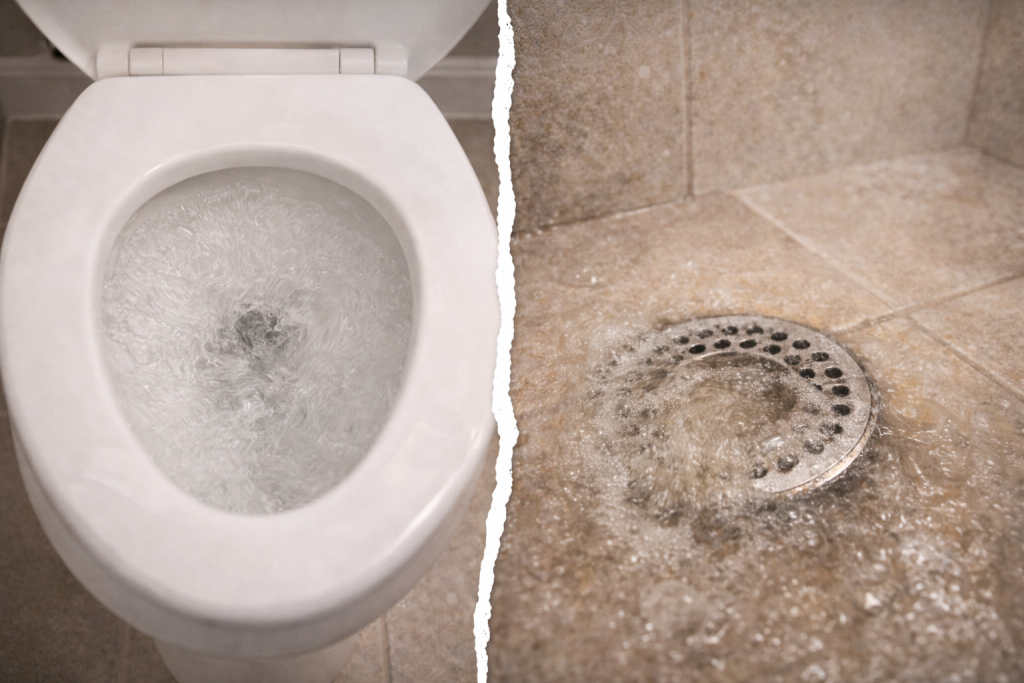
Your home might be telling you something when multiple drains clog at the same time. Main sewer line clog symptoms can create serious problems if you ignore them. Raw sewage could back up through every drain in your home, which becomes a homeowner’s worst nightmare.
A blocked sewer line usually causes multiple toilets or sinks to clog without any clear reason. The situation can get pricey and dangerous if you don’t spot the problem early enough. Your family might even face exposure to contaminated water. You’re probably dealing with a main sewer line problem when sewage stands in your yard or drains from your home’s sewer line cleanout pipe.
Let’s walk through the hidden signs of a clogged sewer line in this piece. We’ll look at what causes these blockages and the exact steps you should take when your main sewer line clogs. You’ll discover practical ways to fix the problem and stop it from happening again. This knowledge will help shield your home from serious plumbing emergencies.
Hidden Signs Your Main Sewer Line Is Clogged
Sewer line problems don’t just appear out of nowhere. Small warning signs pop up that homeowners often ignore until they face a major backup.
Slow draining in multiple fixtures
Your home’s fixtures drain slowly? This could point to a main sewer line problem rather than a simple clog. A single slow drain might mean a local blockage. But when multiple drains act up, the problem usually lies where all plumbing connects—your main sewer line.
The signs start small. Your kitchen sink drains slower than usual. Toilets need two flushes to work. Water pools around your feet during showers. These symptoms showing up in different parts of your home indicate a serious sewer line blockage that built up slowly.
Gurgling sounds from toilets or sinks
Those weird bubbling noises from your drains aren’t normal house sounds—they’re red flags. This happens when debris in the main sewer pipe traps air in your sewer or drain lines.
The timing of these sounds matters. To name just one example, see what happens when you flush a toilet. If nearby sinks or tubs gurgle, the air can’t move properly through your plumbing. Root infiltration or aging pipes often cause cracks and broken fittings that lead to these sounds.
Unpleasant odors from drains
Nobody wants that unmistakable sewage smell inside their home. Multiple drains giving off “rotten egg” odors usually mean waste has built up, blocking proper drainage and ventilation of your sewer line.
These sewage smells create more than just an unpleasant environment. Stagnant sewage and wastewater release dangerous gas fumes throughout your home. A sudden bad smell from all drains points to a main sewer line issue.
Water backing up in unexpected places
Water backing up where it shouldn’t ranks as the most alarming sign of a main sewer line clog. A toilet flush might send water rising in your bathtub. Your washing machine could force water up through floor drains.
This happens because clogs prevent wastewater from leaving your home. The blocked water finds the easiest path out—usually through your lowest fixtures like basement drains or first-floor bathtubs. You might find dirty water or even raw sewage coming up from drains nowhere near the fixture you used.
What Causes a Main Sewer Line Clog?
You can prevent your sewer line from getting pricey disasters by knowing what causes clogs. Your plumbing system can quickly turn into a household emergency due to many threats.
Flushing non-degradable items
The “flushable” label on wipes misleads consumers. These products don’t break down like toilet paper and often block pipes, despite what marketing claims suggest. Human waste and toilet paper should be the only items that ever go down your toilet. Feminine products, diapers, paper towels, dental floss, and Q-tips create problems too. These materials build up and create stubborn blockages that stop waste from flowing through your pipes.
Grease and oil buildup
Cooking oils down your drain might look harmless as warm liquids, but they coat your pipes after cooling down. This sticky coating works like glue and traps passing debris until thick sludge forms. The EPA reports that grease causes 47% of yearly sewer overflows. In stark comparison to this, dish soap only breaks up grease temporarily before it hardens again deeper in your sewer line.
Tree root intrusion
Tree roots cause all but one of these sewer blockages. These roots search for moisture and nutrients, finding ways through small cracks or loose pipe joints. They grow faster inside, using wastewater nutrients until they completely block the pipe. Root removal from sewer systems costs a lot each year, yet it stays nowhere near the cost of replacing pipes.
Aging or corroded pipes
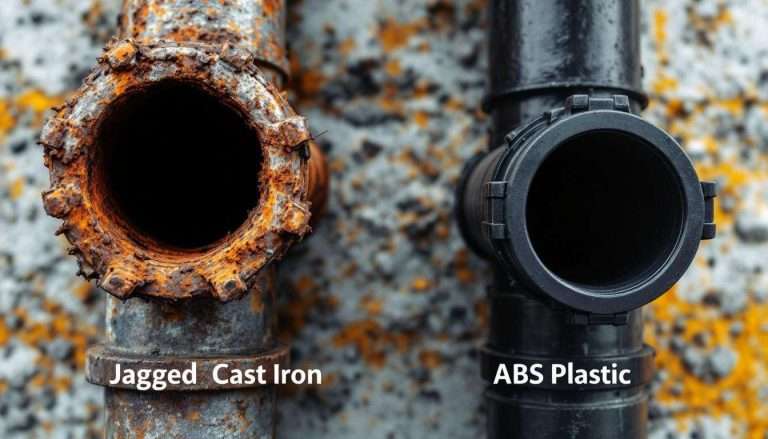
Old sewer systems made of clay, cast iron, or Orangeburg material break down as time passes. These aging pipes develop cracks, breaks, and rust that let debris and roots enter. Clay pipes become brittle as they dry, while Orangeburg pipes made from wood pulp, asbestos, and tar until the 1970s often collapse.
Soil shifting or construction damage
Your sewer line faces risks from the ground beneath your home. Heavy rain, erosion, freezing-thawing cycles, or nearby construction makes soil move and pressure pipes. This movement can throw pipe joints out of line, create low spots where waste collects, or break entire sections. Construction work and heavy traffic vibrations sometimes disturb soil enough to damage underground pipes.
Contact Western Rooter today to get a free estimate!
What to Do If Your Main Sewer Line Is Clogged
A clogged sewer line needs quick action. Here are the steps you need to take to protect your home and plumbing system.
Shut off your main water supply
Your first step is to turn off your home’s main water valve. You’ll usually find this valve in your basement, crawlspace, garage, or near your home’s foundation. Just turn the knob clockwise or move the handle sideways to stop the water flow. This vital step stops sewage from backing up into your house.
Check the sewer cleanout pipe
Look for your home’s sewer cleanout – a white pipe about 3-4 inches wide with a screw-on cap. You’ll typically find it outside your home or in the basement. Stand back and remove the cap carefully since wastewater might rush out. If you see sewage standing in or flowing out of this pipe, you’ve got a main sewer line clog.
Try plunging or snaking secondary drains
Minor clogs might clear up with a plunger or drain snake on secondary drains. Use the plunger with force on slow drains or toilets. If you’re using a drain snake, twist it clockwise while pushing it in, then counterclockwise while pulling it out to clear debris. But these methods only work on smaller connecting lines, not the main sewer line.
Avoid using chemical drain cleaners
Chemical cleaners might look like an easy fix, but they can wreck your pipes by eating away metal and weakening PVC. On top of that, they kill helpful bacteria in septic systems and release dangerous fumes. These harsh chemicals can cause serious harm – from chemical burns to potential blindness if they splash. They rarely fix main line clogs anyway.
Call a licensed plumber for inspection
Main sewer line clogs need professional help. Licensed plumbers have the right tools – video cameras, hydro jets, and powerful augers to diagnose and fix the issue. They can spot exactly where and why the blockage happened, whether it’s tree roots, grease buildup, or damaged pipes.
Contact Western Rooter today to get a free estimate!
How to Prevent Future Sewer Line Clogs
Stopping sewer line clogs costs less money and takes less effort than fixing emergencies later. You can protect your plumbing system by building these simple habits.
Avoid flushing wipes and hygiene products
Your toilet should only handle toilet paper and human waste. Products with “flushable” labels don’t break down properly and will clog your pipes. Put baby wipes, feminine products, paper towels, dental floss, and tissues in the trash instead. These items stick together because of their cloth-like texture and build up in your sewer line.
Use drain strainers in sinks and showers
A simple drain screen works wonders to stop clogs from forming. These cheap devices catch hair, soap scum, and food bits before they cause problems in your plumbing. Regular cleaning keeps them working at their best.
Schedule regular plumbing inspections
Getting your sewer line checked yearly helps catch small problems early. A professional can spot issues like leaks, cracks, or tree roots before they turn into expensive emergency repairs.
Be cautious with landscaping near sewer lines
Keep trees at least 10-15 feet away from sewer lines. Tree roots will search for water and can break through your pipes. When planting near utility lines, pick slow-growing trees with small root systems.
Flush drains with hot water or vinegar mix
Running hot water through your drains weekly stops buildup in pipes. You can also pour baking soda followed by vinegar down drains once a month to break up forming clogs naturally.
Contact Western Rooter today to get a free estimate!
Conclusion
Sewer line clogs pose a serious threat to your home’s plumbing system and safety. Without doubt, you can save thousands in emergency repairs by spotting the warning signs early. Watch out for multiple slow drains, strange gurgling noises, foul odors, or water backing up in unexpected places. These signs help prevent health hazards from raw sewage exposure.
Prevention is nowhere near as expensive as emergency repairs. You can substantially reduce the risk of a sewer line disaster through proper waste disposal, drain strainers, and regular inspections. On top of that, smart landscaping choices near utility lines protect your underground plumbing from root damage.
Quick action is crucial when you notice potential sewer line problems. Small issues can turn into full-blown emergencies if left unchecked. Many clogs develop slowly over months or years before causing catastrophic backups. Your property and family’s wellbeing depend on addressing problems right away.
Note that professional expertise and specialized equipment are usually needed for main sewer line blockages, even though minor clogs might respond to DIY fixes. Most homeowners don’t have the right tools or knowledge to fix major sewer line problems safely without causing more damage.
Your home’s plumbing system needs proper care. Sewage backups rank among the most disruptive household emergencies and can severely damage your property. The steps you take today ensure smooth plumbing operation tomorrow.
Contact Western Rooter today for a free estimate! Our experienced team offers 24/7 emergency services throughout Los Angeles and San Bernardino Counties. We deliver reliable solutions for routine maintenance and urgent sewer line emergencies.