
Dealing with stubborn pipe clogs that keep coming back? You’ve probably wondered if getting your pipes hydro jetted is worth the cost compared to those $10 chemical cleaners at the hardware store. When faced with slow drains or backups, homeowners often find themselves at this crossroads, trying to balance immediate results with long-term pipe health.
Chemical drain cleaners promise quick fixes with minimal effort, while hydro jetting offers professional-grade cleaning that can blast away even the toughest blockages. However, the decision isn’t just about unclogging—it’s about protecting your plumbing system for years to come. Despite the significant price difference, the wrong choice could actually cost you thousands in pipe repairs or replacements.
In this guide, we’ll break down exactly how each method works, what they can (and can’t) remove, and their impact on different pipe materials. By the time you finish reading, you’ll understand which option truly saves your pipes and your wallet in the long run.
How Hydro Jetting Works and What It Removes
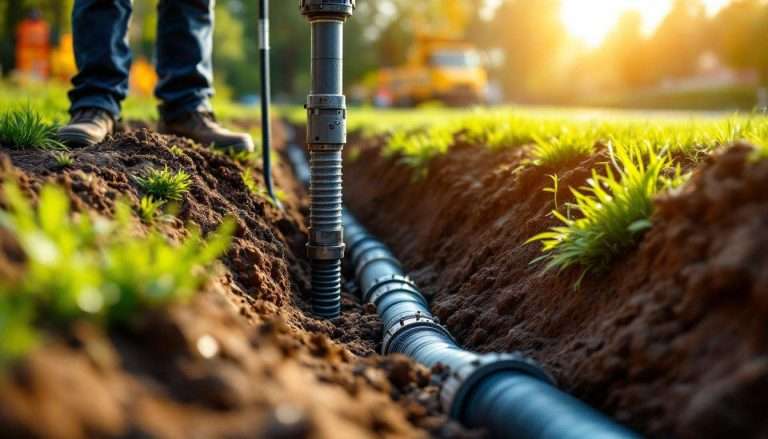
Hydro jetting represents a powerful advancement in plumbing technology, utilizing specialized equipment to blast away stubborn pipe blockages. Unlike traditional cleaning methods, this technique harnesses the remarkable force of pressurized water to thoroughly scour pipes from the inside out.
Water Pressure: 1,500–4,000 PSI Explained
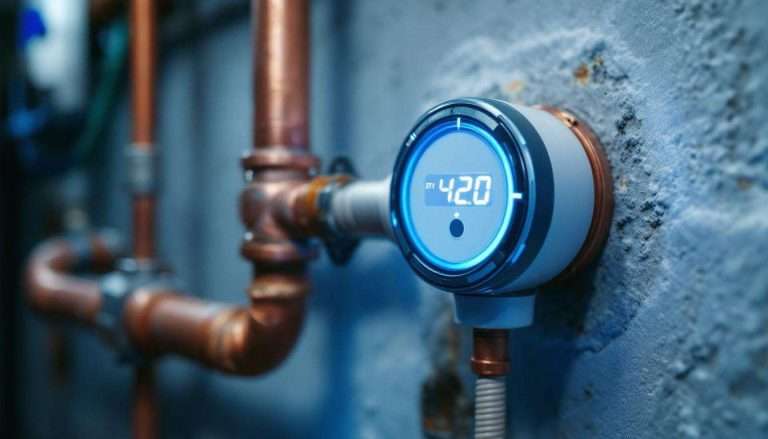
The effectiveness of hydro jetting lies in its impressive water pressure, typically ranging between 1,500 and 4,000 PSI (pounds per square inch) [1]. To put this in perspective, your home’s standard water pressure typically measures just 40-60 PSI [2]. This means hydro jetting delivers water at up to 100 times the force of your household faucet [2].
Professional plumbers carefully calibrate this pressure based on several factors:
- Pipe material and condition
- Blockage type and severity
- Location and accessibility of the clog
For residential applications, technicians generally use 1,500-2,500 PSI, whereas commercial or industrial settings may require 2,500-4,000 PSI or higher [1]. The pressure can also be adjusted for specific blockage types – grease responds well to moderate pressures (1,500-2,500 PSI), whereas mineral deposits often demand higher pressures (3,000-4,000 PSI) [1].
Clogs It Handles: Grease, Roots, and More
The high-pressure water streams make hydro jetting remarkably versatile in tackling various stubborn blockages:
- Grease, Fats, and Food Particles: Kitchen drains frequently develop FOG (fats, oils, grease) buildup that narrows pipes over time. Hydro jetting pulverizes these sticky deposits and flushes them downstream [3].
- Tree Roots: Even small cracks in pipes allow roots to infiltrate. Hydro jetting effectively shears off light root infiltrations (under 2 inches) using specialized nozzles [3].
- Mineral Scale and Rust: In hard water regions, pipes develop limescale and oxide deposits that restrict flow. The high-pressure water breaks down these mineral layers, restoring full pipe diameter [3].
- Soap Scum and Hair: Bathroom drains collect soap residue and hair that form soft but persistent clogs. Hydro jetting’s multi-directional jets completely flush these materials out [3].
- Paper Products and Sludge: Even so-called “flushable” wipes can cause significant blockages. The powerful water pressure effectively dismantles these tough materials [3].
Pipe Wall Cleaning: Preventing Future Buildup
Particularly significant is how hydro jetting cleans the entire pipe diameter rather than simply punching through the blockage. This comprehensive approach provides several long-term benefits:
First, the process restores the pipe’s original diameter by removing accumulated residue from the walls [4]. As pipes regain their full capacity, water flows faster, carrying solids away before they can settle [4].
Additionally, hydro jetting strips away the biofilm and residue that future clogs typically form on [4]. Without this foundation layer, new debris struggles to stick to the pipe walls. The smoothed interior surface enables the line to regain what professionals call “self-cleaning velocity” during normal use [4].
Furthermore, the 360-degree cleaning action means hydro jetting treats the entire pipe length in a single pass [4]. This thoroughness significantly reduces the chance of wipes, hair, or starches snagging on residual buildup and starting new blockages [4].
Through this complete scouring of pipe walls, hydro jetting doesn’t just fix current clogs—it actively prevents future ones, extending the functional lifespan of your entire plumbing system.
Chemical Drain Cleaners: Types and How They Work
Chemical solutions remain a popular first response for many homeowners facing drain problems. These readily available products promise quick fixes without professional help, yet understanding how they work reveals both their effectiveness and limitations.
Caustic, Oxidizing, and Acidic Cleaners Compared
Chemical drain cleaners fall into four primary categories, each using different chemical principles to attack clogs:
Caustic cleaners contain sodium hydroxide (lye) or potassium hydroxide [5]. These powerful alkaline compounds generate heat when they contact water and convert grease into water-soluble soap-like substances [6]. This makes them particularly effective against kitchen sink clogs with high fat content.
Acidic cleaners utilize sulfuric or hydrochloric acid [5] and are typically the most potent options available [7]. They work through heat generation and rapid dissolution of organic materials like hair, tissue paper, and grease via acid hydrolysis [5]. Consequently, these formulations represent the most aggressive approach for stubborn blockages.
Oxidizing cleaners contain ingredients such as bleach, peroxides, or nitrates [8]. These formulations release oxygen molecules that break down organic material through electron transfer [6]. As a result, they offer moderate strength suitable for bathroom drains with hair and soap buildup.
Enzymatic cleaners use bacteria and natural enzymes that feed on organic matter [8]. Although gentler and more environmentally friendly, enzymatic solutions work substantially slower than chemical alternatives [6].
How Chemical Reactions Break Down Clogs
The effectiveness of chemical cleaners stems from their ability to trigger specific reactions with clog materials:
Caustic cleaners create an alkaline environment where hydroxide ions attack the carbonyl carbons in fats [5]. This saponification reaction essentially transforms greasy buildups into soap that dissolves in water. For instance, when lye contacts a grease clog, it converts triglycerides into glycerol and fatty acid salts [5].
Acidic formulations dissolve organic matter through heat generation and chemical breakdown. The strong acids essentially “burn through” proteins like hair via acid hydrolysis [5], breaking down amide bonds in proteins and ester functionalities in fats.
Oxidizing cleaners work by stealing electrons from organic compounds in the blockage [6]. This electron transfer weakens molecular bonds in the clog material, breaking it into smaller, water-soluble components.
Risks of Misuse and Improper Mixing
Despite their effectiveness, chemical drain cleaners present serious hazards. Initially, these products can corrode pipes, especially with repeated use on older plumbing systems [9]. Furthermore, they generate extreme heat that may weaken or damage PVC pipes [9].
The health risks prove equally concerning. Direct contact with chemical cleaners can cause severe burns to skin and permanent damage to eyes [9]. Moreover, inhaling fumes from these products may lead to respiratory issues, dizziness, and irritation to the eyes, nose, and throat [9].
Perhaps most dangerous is mixing different cleaners. For example, combining an acid-based cleaner with a bleach-containing product produces toxic chlorine gas [10], a substance so harmful it was used as a chemical weapon in World War I. Similarly, mixing acidic and alkaline cleaners creates an intense exothermic reaction that can cause scalding hot water to shoot from drains [10].
These powerful chemicals ultimately end up in water systems, contributing to environmental pollution and potentially harming aquatic ecosystems [11].
Effectiveness and Longevity of Results
When comparing pipe cleaning methods, long-term effectiveness becomes the ultimate deciding factor between a one-time fix and a lasting solution. The difference lies not just in how well each approach clears a clog today, but in how they affect your plumbing system tomorrow.
Hydro Jetting: Full Pipe Cleaning vs Spot Clearing
Unlike traditional methods that simply punch holes through blockages, hydro jetting delivers comprehensive cleaning by scouring the entire pipe diameter [12]. This distinction proves critical for long-term pipe health. When professional plumbers use hydro jetting, they restore the pipe to its original diameter by removing accumulated residue from all interior walls [13].
The thoroughness of hydro jetting creates several advantages:
- It completely clears grease, scale, roots, and sludge in a single treatment [13]
- It provides a 360-degree cleaning action that treats the entire pipe length [1]
- It restores what professionals call “self-cleaning velocity” to your plumbing system [1]
Perhaps most importantly, hydro jetting strips away the biofilm and residue that typically form the foundation for future clogs [1]. Without this sticky base layer, new debris struggles to accumulate, extending periods between maintenance.
Drain Cleaners: Temporary Fix or Long-Term Risk?
Chemical drain cleaners often provide only surface-level solutions. In many cases, these products don’t fully remove blockages—they merely punch small holes through them to temporarily restore water flow [2]. This approach virtually guarantees the clog’s return, creating a cycle of repeated treatments.
The chemical reaction process itself creates concerning tradeoffs:
For metal pipes, particularly older ones made of galvanized steel or cast iron, chemical cleaners accelerate corrosion [2]. Over time, this weakens pipe walls and increases risks of leaks, cracks, or complete pipe failure [2].
Even with PVC pipes, which resist chemical reactions better, problems still arise. The heat produced during chemical breakdown can soften or warp plastic pipes with repeated use [2]. Notably, these products can deteriorate connection points, causing loose fittings or slow leaks behind walls [2].
Recurring Clogs: Which Method Prevents Them Better?
Professional hydro jetting undeniably outperforms chemical cleaners in preventing return visits from plumbers. Since hydro jetting removes all buildup, not just the immediate blockage, pipes can often go significantly longer between cleanings [14]. Most homeowners benefit from hydro jetting every 12-18 months, whereas commercial properties with heavier usage may require more frequent service [14].
Chemical drain cleaners, conversely, should not be used frequently due to cumulative damage risks [15]. Their temporary nature often leads to recurring problems, creating a false economy where the seemingly affordable $5-$20 per bottle solution [2] ultimately costs more through repeated applications and potential pipe damage.
For persistent clog issues, professional plumbers overwhelmingly recommend hydro jetting precisely because it addresses the root cause rather than merely treating symptoms [16]. By eliminating not just the blockage but also the residue that encourages future buildup, hydro jetting serves as both correction and prevention [12].
Safety for Pipes and People
Beyond effectiveness, safety considerations emerge as crucial when deciding between hydro jetting and chemical cleaners. The right choice protects not only your plumbing infrastructure but also everyone in your household.
Pipe Material Compatibility: PVC, Cast Iron, Copper
Professional hydro jetting, when performed by qualified technicians, is generally safe for most plumbing materials. Experienced plumbers adjust water pressure based on pipe condition, making it suitable even for older systems [3]. Nevertheless, pipes installed before 1980 may require special attention as excessive pressure could worsen existing damage [15].
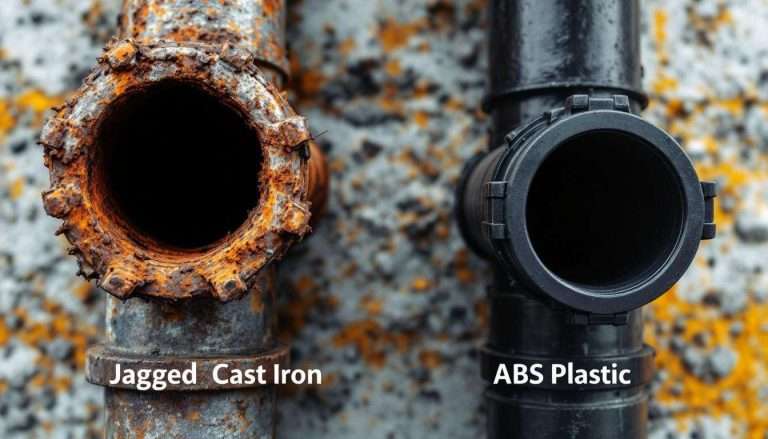
In contrast, chemical drain cleaners pose significant threats to your plumbing network. These products attack pipes indiscriminately—the same corrosive action that dissolves clogs gradually eats away at pipe materials [17]. PVC pipes can soften and warp when exposed to the heat generated during chemical reactions [18]. Cast iron pipes face even greater risks as chemicals corrode their protective coating, accelerating rust formation [19]. Many copper pipes likewise degrade with repeated chemical exposure.
Chemical Burns and Fume Hazards
Chemical cleaners present serious health hazards beyond their pipe-damaging potential:
- Skin contact can cause severe chemical burns requiring immediate medical attention [20]
- Eye exposure may lead to permanent vision damage without prompt intervention [18]
- Respiratory exposure to fumes can damage your entire respiratory tract, causing breathing difficulties and triggering asthma attacks [18]
Most concerning are accidental mixtures—combining different drain cleaners can create deadly toxic gasses like chlorine gas [18]. Even with proper ventilation, bathrooms typically lack adequate airflow to disperse dangerous vapors [21].
Professional Use vs DIY Safety Concerns
Hydro jetting requires professional handling—this limitation actually becomes its safety advantage. Trained plumbers assess pipe condition before starting, adjust pressure appropriately, and use proper techniques that prevent damage [22]. This expertise minimizes risks that untrained users might face.
Conversely, chemical drain cleaners market themselves as DIY solutions despite containing highly caustic ingredients. Without proper knowledge, homeowners often misuse these products through incorrect application, improper mixing, or inadequate protection [23]. Even with protective gear like goggles and rubber gloves, accidents remain common [20].
First-time users frequently underestimate risks, believing drain cleaners work like ordinary household cleaners. This misconception leads to dangerous exposure through improper handling techniques or inadequate ventilation [24]. Furthermore, DIY approaches often void appliance warranties, creating additional financial risks beyond immediate safety concerns [25].
Cost Breakdown: Upfront and Long-Term
Making the right financial decision between drain cleaning methods requires looking at both immediate costs and long-term financial impact. When budget constraints meet plumbing reality, understanding the complete cost picture becomes essential.
Hydro Jetting: $300–$600 per Service
Professional hydro jetting services typically cost between $300 and $600 for standard residential applications [26]. This upfront investment reflects the specialized equipment required, professional training, and comprehensive nature of the service [27]. Commercial properties face higher costs, potentially ranging from $500 to $2,500 depending on system size and blockage severity [28].
Initially, this price point might seem steep. Nevertheless, many property owners find this investment delivers value through significantly longer-lasting results [27]. Restaurants and businesses that generate heavy fats, oils, and grease (FOG) typically experience lower total costs over 12–24 months with scheduled hydro jetting versus repeated treatments [29].
Drain Cleaners: $5–$20 per Use
Chemical drain cleaners present an attractive initial price point, typically costing between $5 and $20 per bottle [30]. This seemingly minimal expense often influences homeowners facing sudden drain emergencies. A single application can provide temporary relief without scheduling a professional visit.
Yet, the math changes dramatically with regular use. Multiple bottles per year add up—many homeowners spend $90 or more annually on chemical solutions for persistent problems [31].
Hidden Costs: Pipe Damage and Repeat Treatments
Behind the affordable price tag of chemical cleaners lurk substantial hidden costs. First, these products rarely provide lasting solutions, eventually requiring emergency service that typically costs $300 or more [31]. Furthermore, the corrosive nature of chemicals can damage finishes, erode pipes, and create weak points that lead to leaks [31].
Perhaps most financially devastating are the potential repair scenarios. A homeowner repeatedly using chemical cleaners might face:
- Wall or floor repairs costing $2,500+ after chemical corrosion causes hidden leaks [31]
- Complete pipe replacement running thousands more than early professional intervention [31]
- Lost business revenue from facility closures (for commercial properties) [29]
Ultimately, preventative hydro jetting typically reduces after-hours emergencies and extends time between servicing—creating meaningful savings despite the higher initial expense [29].
Conclusion
The debate between hydro jetting and chemical cleaners presents a clear winner when considering all factors. Undoubtedly, hydro jetting stands as the superior option for maintaining healthy plumbing systems long-term. While chemical cleaners offer appealing affordability at $5-$20 per use compared to $300-$600 for professional hydro jetting, this price gap ultimately proves misleading.
Chemical solutions merely create temporary pathways through blockages rather than removing them completely. Consequently, clogs return faster, requiring repeated applications that accumulate costs rapidly. Additionally, these harsh chemicals gradually deteriorate pipes through corrosion, potentially leading to thousands in repair costs down the line. The health risks cannot be overlooked either—from chemical burns to dangerous fumes that threaten household safety.
Hydro jetting, therefore, delivers exceptional value despite its higher initial investment. The comprehensive cleaning action scours entire pipe walls at pressures up to 4,000 PSI, eliminating not just current blockages but also the biofilm foundation where future clogs would attach. This thorough approach extends periods between necessary cleanings, often allowing 12-18 months before maintenance is needed again.
Perhaps most importantly, professional hydro jetting carries minimal risk when performed by qualified technicians. Unlike chemical alternatives that indiscriminately damage pipes, hydro jetting can safely treat various pipe materials when pressure levels are properly calibrated for each situation. This gentle-yet-effective approach preserves your plumbing infrastructure while still delivering superior results.
The choice becomes even clearer when considering long-term scenarios. Homeowners who rely on chemical cleaners often face a cycle of temporarily fixed symptoms followed by recurring problems. Those who invest in professional hydro jetting experience fewer emergencies, longer periods between services, and significantly reduced lifetime plumbing costs.
The verdict? Though chemical cleaners might seem convenient and affordable today, hydro jetting truly saves both your pipes and your wallet over time. Smart homeowners recognize that proper maintenance through professional hydro jetting represents not an expense but rather an investment in their property’s plumbing health and longevity.
References
[1] – https://www.tnstandard.com/how-hydro-jetting-works-for-sewer-lines/
[2] – https://www.benjaminfranklinplumbing.com/charlotte/blog/2025/september/the-truth-about-chemical-drain-cleaners-are-your-pipes-in-danger/
[3] – https://www.scottenglishplumbing.net/blog/hydro-jetting-a-safe-solution-for-cleaning-pipes
[4] – https://www.acmeplumbing.com/blog/restoring-pipe-diameter-why-hydro-jetting-reduces-future-clog-risk-long-term/
[5] – https://en.wikipedia.org/wiki/Chemical_drain_cleaners
[6] – https://www.goodway.com/hvac-blog/2021/12/breaking-down-types-of-chemical-drain-cleaners/?srsltid=AfmBOoqE1_VKz161m7tgMvpTB6RzTlOM-qX_W-s4olwOi6zqr6aZHpoH
[7] – https://www.applewoodfixit.com/blog/chemical-drain-cleaners/
[8] – https://www.facilitiesnet.com/maintenanceoperations/article/Chemical-Considerations-for-Successful-Drain-Cleaning–19017
[9] – https://newwellplumbing.ca/the-dangers-of-using-chemical-drain-cleaners/
[10] – https://www.forbes.com/sites/alexberezow/2013/11/04/why-you-should-never-mix-different-drain-cleaners/
[11] – https://www.cwservicepros.com/drain-cleaning/chemical-drain-cleaner/
[12] – https://drain-express.com/lets-talk-about-using-chemical-drain-cleaners/
[13] – https://buddysplumbingexcellence.com/hydro-jetting/what-is-hydro-jetting/
[14] – https://aircomechanical.com/what-is-hydro-jetting/
[15] – https://www.stateindustrial.com/article/hydro-jet-drain-cleaner-vs-chemical-drain-opener/
[16] – https://hansensplumbing.com/blog/recurring-drain-clogs-in-ventura-county/
[17] – https://www.genejohnsonplumbing.com/chemical-drain-cleaners-vs-professional-hydro-jetting/
[18] – https://westernrooter.com/are-chemical-drain-cleaners-safe-the-hidden-dangers-plumbers-want-you-to-know/
[19] – https://www.pvhvac.com/blog/chemical-drain-cleaners-quick-fix-or-expensive-mistake/
[20] – https://www.poison.org/articles/whats-in-drain-cleaner
[21] – https://legendaryservice.com/hvac/diy-vs-professional-drain-cleaning-and-safety-compared/
[22] – https://www.totaldrainsolutions.com/blog/is-hydro-jetting-bad-for-pipes/
[23] – https://www.smithsplumbingservice.com/blog/2025/june/why-professional-drain-cleaning-is-safer-than-di/
[24] – https://buehlerair.com/chemical-drain-cleaners-why-you-may-need-to-call-an-expert/
[25] – https://www.isleyplumbing.com/2024/07/dangers-of-diy-plumbing/
[26] – https://www.homeadvisor.com/cost/plumbing/hydro-jetting-cost/
[27] – https://colepepperplumbing.com/blog/hydro-jetting-vs-traditional-drain-cleaning/
[28] – https://www.stateindustrial.com/article/cost-comparison-using-a-chemical-drain-opener-vs-hydro-jetting/
[29] – https://hansenfamilyplumbing.com/2025/09/12/hydrojetting-vs-chemical-cleaners-lifecycle-costs-and-pipe-health/
[30] – https://kayplumbing.com/hydro-jetting-vs-drain-cleaner-which-is-best/
[31] – https://scjetting.com/the-hidden-costs-of-diy-drain-cleaning-why-professionals-save-you-money-in-the-long-run/