
Here’s something that might surprise you: apartment building plumbing problems can waste a gallon of water every single hour from just one running toilet. That’s money flowing right down the drain, and it’s happening more often than you’d think.
Here’s the thing about apartment buildings – with over 40 million multifamily units across the United States, these plumbing systems face challenges that your typical single-family home just doesn’t deal with. When you’re looking at repair costs, small fixes usually run between $125 to $350, while bigger problems can easily hit $500 to $800. But here’s where it gets really concerning: a failed water heater in a commercial building can cause damage reaching half a million dollars or more, depending on where it happens.
What makes apartment plumbing especially tricky is that your pipes are connected to your neighbors’ pipes. When someone on the third floor has a problem, it doesn’t just stay on the third floor. That’s what makes understanding apartment plumbing so important for anyone managing or owning these properties.
We’re going to walk through the hidden problems that most people miss in apartment plumbing systems, share some practical ways to prevent them, and help you figure out when it’s time to pick up the phone and call a professional. Think of these prevention tips as insurance for your investment – they’ll help you avoid those surprise repair bills that can really hurt your budget.
How Apartment Plumbing Systems Work
Think of apartment plumbing like the circulatory system in your body – everything’s connected, and when one part has trouble, it affects the whole system. Unlike single-family homes where you’re dealing with your own pipes, apartment buildings have shared infrastructure that serves multiple families at once.
Supply and drainage systems explained
Picture two separate highway systems running through your building. The freshwater supply system brings clean water to every apartment, while the wastewater system carries away all the used water and waste. These two systems work on completely different principles – your supply lines use water pressure to push fresh water up to higher floors, but your drainage system relies on good old gravity to pull everything down and out.
Your building’s supply system starts with one main water line coming from the city, then splits off like branches on a tree to reach individual apartments through smaller pipes. Most apartments get their own water meter so you’re only paying for what you actually use. The drainage side includes drain pipes, those U-shaped traps under your sinks that keep sewer gasses from sneaking into your home, and vent pipes that keep air pressure balanced throughout the system.
How water reaches and exits each unit
Fresh water takes a pretty straightforward journey to your faucet. It comes into the building through the main line, then travels up through vertical risers – these are like the main highways carrying water to each floor. From there, smaller horizontal pipes branch off to deliver water to individual apartments. You’ll usually find copper pipes (they last forever and resist corrosion), PVC pipes (great for cold water and budget-friendly), or PEX pipes (flexible and works for both hot and cold water).
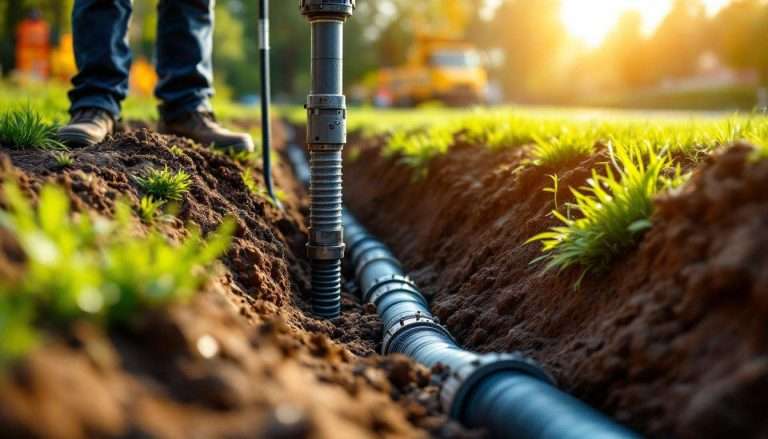
When water goes down your drain, it flows through branch lines that connect to vertical stacks. These big vertical pipes act like express lanes, carrying waste straight down to underground pipes beneath the building, which then connect to the city’s sewer system. The whole drainage system depends on gravity and proper slope design to keep everything flowing smoothly without backups.
Why shared plumbing complicates repairs
This is where apartment living gets tricky. Since your pipes connect to your neighbors’ pipes, one person’s problem becomes everyone’s headache. Let’s say someone on the second floor gets a serious blockage in their waste pipe – that backup can affect not just their apartment, but everyone above them too.
Builders designed these shared systems to save money and space during construction. But that efficiency comes with a price. When a leak drops water pressure in one unit, it can affect all the apartments above it. A blocked main drain might flood apartments on the lower floors. Usually, fixing these shared problems means getting property management or the homeowners’ association involved, which can slow things down.
Understanding how these systems work together helps you spot potential problems before they turn into building-wide disasters.
Hidden Plumbing Dangers Most Tenants Miss
You know how sometimes you can sense something’s wrong before you can actually see it? That’s exactly what happens with apartment plumbing problems. There are several issues hiding behind your walls and under your floors that most people don’t notice until they’ve already caused serious damage.
Slow leaks behind walls
Water damage loves to play hide and seek. A tiny pinhole in a pipe can dump up to 250 gallons of water every day, and you might not know it’s happening until you spot mold on your wall. Keep your eyes peeled for these telltale signs: walls that look stained or discolored, paint that’s peeling or wallpaper that’s starting to bubble up, musty smells that won’t go away no matter how much you air out the room, and water bills that suddenly jump up for no reason. If you see little black dots appearing on your walls or catch a musty smell along with some wall discoloration, you’ve probably got a hidden leak on your hands. These sneaky leaks don’t just damage the building’s structure – they can create health problems and leave tenants scratching their heads over mysterious stains and sky-high utility bills.
Outdated pipe materials
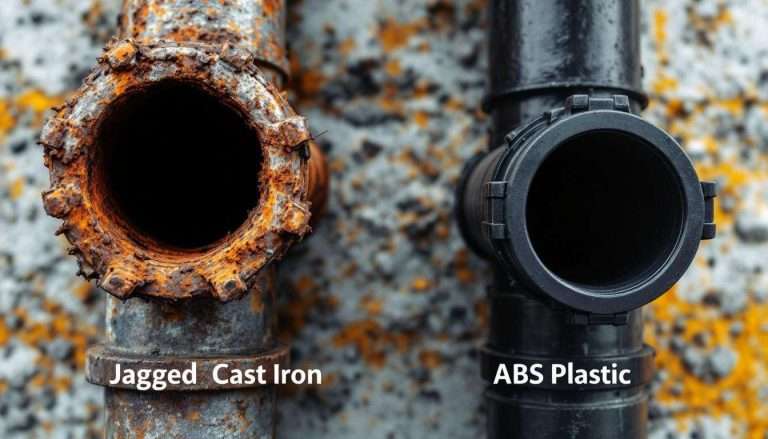
Older apartment buildings often have pipes that seemed like a good idea decades ago but cause headaches today. Galvanized steel pipes were the go-to choice before the 1960s, but they build up scale and rust over time, which chokes off your water flow. Then there are polybutylene pipes – these were popular from the 1970s through the 1990s, but they don’t play nice with the chlorine in city water. They get brittle and can fail without any warning. What’s even more troubling is that some of those old galvanized pipes were coated with zinc that contained lead. So you’re not just dealing with poor water pressure – you might be dealing with contaminated drinking water too.
Unreported clogs that spread
When a drain starts backing up, that water has to go somewhere. It builds pressure behind the blockage and looks for the easiest way out – usually that means ground-floor toilets or basement drains. Water sitting still in pipes becomes a breeding ground for bacteria and starts eating away at the pipes themselves. Watch out for these red flags: multiple drains running slow throughout the building, weird gurgling noises when someone flushes, sewer smells (especially on the lower floors), and clogs that keep coming back no matter how much you plunge. What starts as one person’s clogged drain can quickly turn into a sewage backup that affects everyone in the building.
Lift station failures in older buildings
Many older apartment buildings depend on lift stations to push wastewater up and out when gravity alone won’t do the job. These systems work hard behind the scenes, but they’re easy to forget about until they stop working completely. When a lift station fails, the wastewater has nowhere to go except back up into the apartments on the lower floors. This creates unsanitary conditions that can affect the entire building. These systems need regular professional maintenance because they’re too complex and important for tenants or building maintenance staff to handle on their own.
How to Prevent Common Apartment Plumbing Problems
The best way to handle plumbing problems is to stop them before they start. Think of maintenance like brushing your teeth – a little effort now saves you from painful, expensive problems later.
Schedule regular inspections
Setting up a maintenance routine doesn’t have to be complicated. Every month, take a walk around your building and look at any pipes you can see, then test your emergency shut-off valves. Every three months, clean your water filters, check the water heaters, and take a look at any sump pumps. Once a year, bring in a licensed plumber for a thorough checkup, including those camera inspections of the underground drains. Regular inspections catch small problems while they’re still small.
Install drain screens and leak detectors
Sometimes the simplest solutions work the best. Put drain covers in every bathroom and kitchen sink to catch hair, food scraps, and other debris before they cause trouble. You might also want to invest in smart leak detection systems – these little devices run on batteries that last up to 10 years and send alerts straight to your phone. The really good ones can even shut off your water automatically when they detect a serious leak. Best part? They work on their own cellular connection, so you don’t need to worry about building WiFi.
Educate tenants on proper usage
Your tenants are your first line of defense, but they need to know what to look for. Hand out simple guides about plumbing basics and what not to flush down toilets. Consider hosting a short meeting every few months to go over water-saving tips and warning signs of plumbing trouble. Make sure everyone knows how to report problems quickly – whether that’s through email, text, or just calling the office. Don’t forget to show them where the water shutoff valves are and how to use them.
Upgrade aging infrastructure
Older buildings often have pipes that just weren’t meant to last this long. If your building went up before the 1970s, you might be dealing with lead or galvanized steel pipes that can affect water quality. Upgrading to modern materials like PEX, copper, or CPVC improves both water quality and pipe durability. Low-flow fixtures are another smart upgrade that saves water and reduces strain on your plumbing. Smart plumbing technology can keep an eye on water usage around the clock and alert you when something seems off.
Monitor water pressure regularly
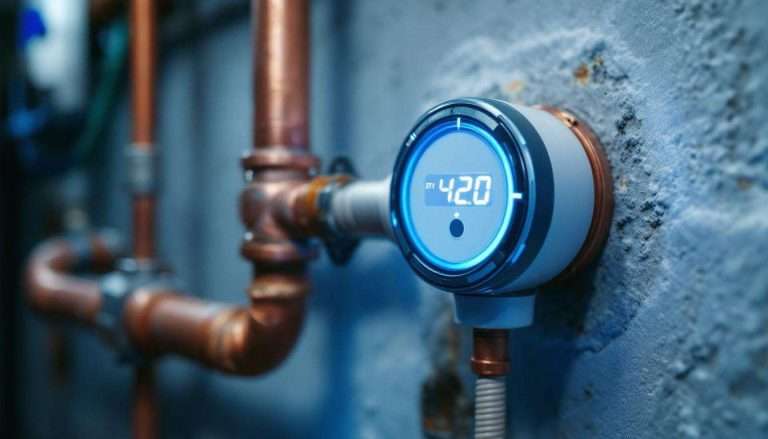
Water pressure in commercial buildings should stay between 40-80 PSI. Too much pressure can burst pipes and create leaks, while too little can leave your fire suppression system unable to do its job. Pressure sensors can measure what’s happening inside your pipes and catch sudden changes before they cause damage. Pressure reducing valves help protect your system from those sudden spikes that can wreak havoc. Keep an eye out for warning signs: water that looks or smells funny, and water bills that jump up without explanation.
When to Call a Professional Plumber
Prevention works great, but sometimes you need to know when it’s time to step back and let the pros handle things. Plumbing professionals have the training, experience, and specialized tools that can save you thousands in damage costs.
Signs of system-wide issues
Watch for these red flags that mean you’ve got serious plumbing problems on your hands:
- Your water meter keeps running even when everything’s turned off
- Water bills suddenly spike for no clear reason
- Water stains start showing up on walls or ceilings
- Multiple drains clog at the same time
- Sewage smells spread throughout the building
- Water backs up into tubs when someone flushes a toilet
Don’t wait on these warning signs. A $200 fix can easily become a $2,000 emergency if you let it go.
What DIY can’t fix
Look, we all like to tackle things ourselves when we can. But some plumbing problems are just too risky to mess with. Major leaks, burst pipes, and sewer line failures need immediate professional attention. Anything involving gas lines should always go to certified professionals – no exceptions. Water heater malfunctions can cause serious property damage and safety hazards. When you’re dealing with pressurized water lines or major drainage work, that’s definitely professional territory.
Choosing the right plumbing service in Los Angeles and San Bernardino
Finding a good plumber means checking their credentials and experience first. Most professional jobs run $45-$200 plus parts, while emergency calls can hit $100-$500. Look for services that offer 24/7 emergency response with 1-2 hour arrival times. The best plumbing services combine proper licensing, solid experience, professional certifications, and reliable emergency availability.
Conclusion
Taking care of apartment plumbing isn’t something you can just set and forget. We’ve walked through quite a bit together – from those sneaky leaks hiding behind walls to the importance of getting the right professional help when you need it.
Think of it this way: apartment plumbing is like a neighborhood where everyone’s connected. When something goes wrong in one unit, it doesn’t stay there. That’s why staying on top of maintenance isn’t just smart – it’s necessary if you want to protect your investment and keep your tenants happy.
The good news? You don’t need to become a plumbing expert overnight. Simple things like regular inspections, installing drain screens, and teaching your tenants what to watch for can prevent most of the headaches we’ve talked about. Small steps now save you from big problems later.
But here’s what’s most important: knowing when to call in the professionals. Some problems are just too big or too risky to handle on your own. When you see those warning signs we discussed, don’t wait. A quick call to a licensed plumber can be the difference between a small repair bill and a major disaster.
Ready to protect your property with professional preventative maintenance? Western Rooter specializes in apartment building plumbing systems, and we’re here 24/7 when emergencies happen. Contact us today for a free estimate – because when it comes to your plumbing, having reliable professionals on your side makes all the difference.