Did you know that neglected storm drain maintenance costs Southern California shopping centers thousands in preventable damage every year?
When heavy rains hit, clogged or poorly maintained drainage systems can quickly transform your property into an unwanted water feature. However, proper storm drain maintenance isn’t just about avoiding puddles in your parking lot—it’s about protecting your substantial investment.
In fact, regular maintenance prevents costly structural damage, helps you avoid hefty non-compliance penalties, and protects both your property value and reputation. Additionally, well-maintained storm drains play a crucial role in preventing pollutants from entering local waterways—something environmental regulators take very seriously in Southern California.
Whether you’re managing a strip mall, an outdoor shopping center, or a large retail complex, understanding your stormwater system’s needs is essential to your property’s longevity. This guide will walk you through everything you need to know about keeping your storm drains functioning properly year-round, ultimately saving you time, money, and stress when the rainy season arrives.
Why Storm Drain Maintenance Matters
Storm drain maintenance forms the backbone of effective property management for shopping centers throughout Southern California. Beyond mere upkeep, it represents a critical safeguard against multiple threats to your retail property investment.
Avoiding flooding and property damage
Regular storm drain maintenance stands as your first line of defense against costly water-related damages. Properly functioning storm drains carry rainwater away from roads, sidewalks, and buildings, preventing water from pooling and damaging property. Nevertheless, when these systems become clogged or blocked with debris, leaves, sediment, or trash, they can overflow during heavy rains [1].
Flooded retail parking lots from clogged stormwater drains do more than create inconvenient puddles—they actively drive away customers while creating perfect conditions for landscape erosion [2]. Furthermore, the consequences extend beyond immediate concerns. Over time, pooling rainwater can undermine paved surfaces and building foundations, threatening the structural integrity of your entire shopping center [2].
The damage cycle accelerates quickly: wet soil beneath pavements causes them to buckle and shift, leading to expensive repairs [3]. Meanwhile, standing water from blocked systems creates ideal breeding grounds for mosquitoes and other pests, posing health risks to visitors and staff [3]. Constant moisture exposure ultimately encourages mold growth, damaging interior walls and creating additional health hazards [3].
Preventing pollution from runoff
Storm drain maintenance plays a crucial role in environmental protection. Shopping centers generate significant pollution risks due to their unique characteristics. Heavy car traffic increases surface pollutants, including oil, hydrocarbons, grease, and chemical residues that accumulate on paved surfaces [2]. Customer foot traffic introduces additional waste like discarded food wrappers and cups that often find their way into storm drains, causing clogs [2].
As a result, stormwater runoff from your property can carry these pollutants into local waterways if not properly managed [4]. Notably, some tenants present elevated risks—retail businesses like car repair shops potentially increase pollution levels if they don’t properly manage chemicals and waste by-products [2].
The environmental impact extends beyond your property boundaries. When stormwater carries pollutants into rivers, lakes, and oceans, it degrades water quality, harms aquatic life, and poses public health threats [1]. Untreated runoff flowing into natural water bodies can create “dead zones” where aquatic life cannot survive [3]. Thus, maintaining clean storm drains helps prevent these contaminants from entering our waterways and protects surrounding ecosystems [1].
Meeting legal and environmental standards
Compliance with stormwater regulations isn’t optional for shopping center owners in Southern California. The Federal Clean Water Act prohibits certain stormwater discharges except in compliance with a National Pollutant Discharge Elimination System (NPDES) permit [5]. This regulatory framework specifically targets municipal separate storm sewer systems (MS4s), construction activities, and industrial operations [5].
Property owners bear direct responsibility for controlling polluted runoff, with significant monetary penalties possible for those contributing to environmental pollution [4]. The consequences of neglecting these obligations can be severe—poor stormwater management puts you at risk for Notices of Violation (NOVs) and substantial municipal penalties [6].
Besides financial penalties, non-compliance creates legal complications that can damage your property’s reputation [6]. The regulatory landscape continues evolving, with many municipalities now requiring specific measures like oil-water separators for certain businesses and full trash capture devices for properties with restaurant or retail components [2].
Consequently, establishing regular maintenance schedules for your storm drain system represents both a legal necessity and a sound business practice—protecting your investment while demonstrating environmental responsibility.
Understanding Your Stormwater System
Behind the simple drain grates visible across your property lies an interconnected network of components working together to manage rainfall runoff. Understanding this system is essential before implementing any storm drain maintenance program. Let’s examine what makes up your shopping center’s stormwater infrastructure and how it functions.
Common components in shopping centers
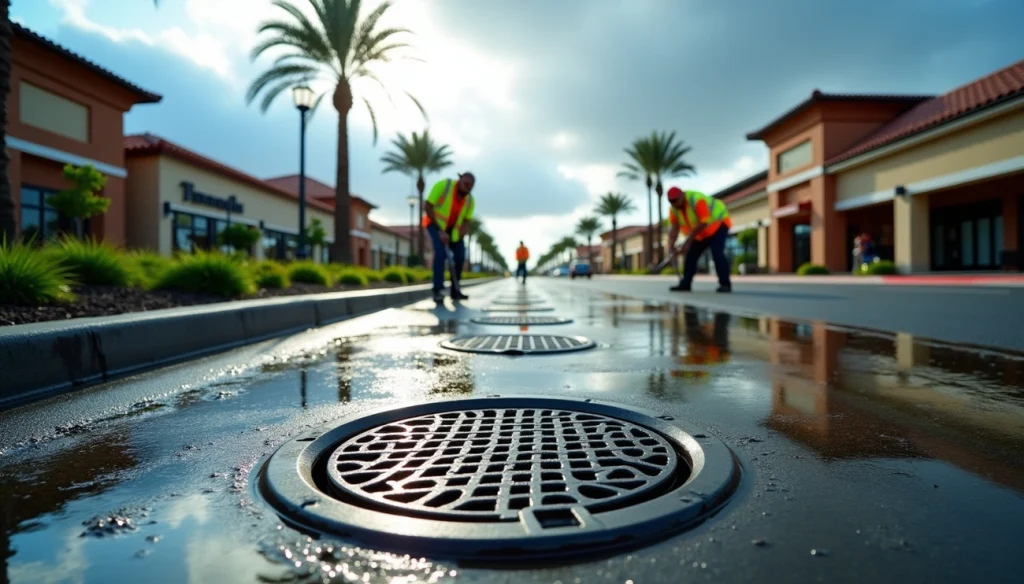
Your commercial storm drain system consists of several critical elements that work in unison to channel water away from your property. Storm drain inlets (those visible drains in parking lots and sidewalks) serve as the initial collection points for surface water runoff [7]. These connect to catch basins, which act as collection points that allow debris to settle while water continues flowing through the system [7].
Beneath your property runs a network of underground piping that carries water away from buildings and paved surfaces [7]. Regular access to these systems is provided through manholes and cleanouts, which allow for maintenance and inspection [7]. According to maintenance experts, easily accessible cleanouts are vital, as inaccessible systems often lead to delayed or skipped maintenance, potentially causing costly problems later [8].
Shopping centers typically face unique stormwater challenges primarily because of their vast paved areas that prevent natural ground absorption [9]. These impermeable surfaces—parking lots and building rooftops—generate substantial runoff during rainstorms, requiring robust drainage systems to handle the volume [9].
Types of stormwater treatment systems
Shopping centers in Southern California generally utilize one of several stormwater management approaches:
- Detention and retention ponds: These engineered ponds collect stormwater runoff during heavy rainfall events. Retention ponds hold water indefinitely, while detention ponds temporarily store water before controlled release [10]. Both pond types allow sediment to settle at the bottom before overflow drains into nearby waterways through pipes [1].
- Bioretention systems: Often resembling decorative gardens, these systems feature layers of natural materials with a gravel base that filters stormwater through soil and water-friendly plantings [1]. This approach not only manages water but enhances property esthetics [4].
- Submerged gravel wetlands: Similar to bioretention systems but utilizing gravel cells for filtration, these may appear as a series of ponds in grassy ditches or as marshy areas [1].
- Underground detention systems: Ideal for properties with limited space, these consist of pipes installed underground (typically beneath parking lots) that temporarily store stormwater before controlled release [1]. Although they don’t filter runoff, they effectively manage water quantity [1].
How systems vary by property layout
The design of your stormwater system depends largely on your shopping center’s specific characteristics. Property size, layout, and local climate conditions all influence system requirements [11].
Properties with extensive impervious surfaces require systems capable of handling larger water volumes [4]. According to industry experts, shopping centers need systems designed with appropriate pipe sizes, slopes, and catch basin spacing to efficiently move water and prevent backups [8].
Local climate patterns likewise affect system design—Southern California’s distinctive rainfall patterns necessitate systems that can manage occasional heavy downpours after extended dry periods [9]. Properties in areas experiencing increased rainfall due to climate change may find older systems inadequate for current conditions [4].
The availability of space fundamentally shapes system selection. Large properties may accommodate surface solutions like retention ponds or rain gardens, whereas space-constrained centers often require underground systems [1]. Some shopping centers implement integrated approaches combining multiple system types for comprehensive stormwater management [12].
Understanding these components and variations forms the foundation for effective storm drain maintenance. By knowing what constitutes your specific system, you can develop appropriate inspection schedules and maintenance protocols tailored to your property’s unique needs.
Inspection and Maintenance Best Practices
Establishing a systematic inspection routine forms the foundation of effective storm drain maintenance for shopping centers. Regular monitoring prevents small issues from escalating into costly emergencies, thereby protecting both your property and the environment.
How often to inspect your system
First and foremost, inspection frequency depends on your property’s specific characteristics and local climate patterns. Most shopping centers benefit from at least twice-yearly inspections – one before and one after the rainy season [2]. This timing allows for necessary repairs before heavy precipitation arrives.
For properties in areas with higher environmental sensitivity or stricter regulations, quarterly or semi-annual inspections may be required [6]. Shopping centers with high-traffic areas or those located in flood-prone zones often need more frequent monitoring.
Weather patterns should directly influence your inspection schedule. Following significant storm events, additional checks are advisable to identify any damage or debris accumulation [2]. Your National Pollutant Discharge Elimination System (NPDES) permit terms might moreover dictate specific inspection intervals that supersede general recommendations [13].
What to look for during inspections
During each inspection, focus on these critical elements:
- Structural integrity: Examine catch basins, inlets, and manholes for cracks, corrosion, or displacement [14]
- Flow obstructions: Check for debris, sediment, or vegetation blocking inlet and outlet points [15]
- Water quality indicators: Look for unusual color, turbidity, oil sheen, or foul odors that might indicate contamination [16]
- Sediment levels: Ensure sediment in catch basins doesn’t exceed one-third of the pipe diameter [14]
- Signs of illegal dumping: Note any evidence of unauthorized waste disposal [6]
Comprehensive documentation proves equally important. Record inspection dates, findings, maintenance performed, amount of debris removed, and personnel involved [15]. These records serve as crucial evidence during regulatory inspections.
Hiring certified professionals
Professional stormwater specialists bring expertise and specialized equipment that ensure thorough system maintenance. When selecting a service provider, look for relevant certifications such as Certified Environmental Storm Water Compliance Professional (CESCP) or Certified Professional in Storm Water Quality (CPSWQ) [3].
These professionals understand regulatory requirements and can help ensure your property remains compliant [3]. Subsequently, they use specialized tools like high-pressure water jetting and vacuum trucks that effectively remove tough blockages and accumulated sediment [17].
In essence, partnering with qualified professionals offers multiple benefits: staying up-to-code, preventing costly repairs, and receiving documentation support [6]. A clogged or poorly maintained storm drain can reduce system performance by over 50%, increasing both flood risk and pollution potential [6] – underscoring why proper inspection and maintenance deserve your attention.
Staying Compliant with California Regulations
California’s regulatory framework regarding storm drain maintenance demands close attention from shopping center owners. Compliance isn’t optional—it’s mandatory and carries significant consequences when overlooked.
Overview of NPDES and local rules
The Federal Clean Water Act fundamentally prohibits stormwater discharges containing pollutants except when in compliance with a National Pollutant Discharge Elimination System (NPDES) permit [18]. This permit system regulates stormwater discharges from three primary sources: municipal separate storm sewer systems (MS4s), construction activities, and industrial activities [19].
For shopping centers, this typically means falling under municipal stormwater regulations. The Regional Municipal Storm Water Permit (MS4 Permit) issued to municipalities forms the basis for local ordinances [20]. Essentially, these regulations mandate that only rain should enter storm drains [21].
Property owners must understand that NPDES permits come in different forms. Individual permits address specific facilities, whereas general permits cover categories of discharges within geographical areas [22]. Most construction sites and industrial facilities operate under general NPDES permits [22].
Required documentation and reporting
Proper documentation stands as your evidence of compliance. Shopping center owners must maintain:
- Inspection and maintenance records that document findings and corrective actions [6]
- Storm Water Pollution Prevention Plans (SWPPPs) detailing how you’ll prevent pollutants from entering waterways [18]
- Staff training documentation demonstrating employee knowledge about stormwater management [23]
Reporting requirements vary by jurisdiction yet typically include submitting data to regulatory agencies according to specific deadlines [24]. The California Integrated Water Quality System (CIWQS) and Storm Water Multiple Application and Report Tracking System (SMARTS) databases track this information [25].
Importantly, even when no discharge occurs, quarterly reports may still be required simply because a permit remains active [26]. Prompt termination of unnecessary permits therefore becomes vital to avoid ongoing obligations.
Penalties for non-compliance
Failing to comply with stormwater regulations carries substantial financial risk. Penalties can reach up to $10,000 per day per violation under some local jurisdictions [26], while federal Clean Water Act violations may incur fines up to $32,500 daily [26].
Enforcement follows an escalating approach. Initial violations might trigger warning letters or Notices of Noncompliance, ultimately progressing to Administrative Civil Liabilities or criminal prosecution for repeated or severe infractions [5]. Particularly concerning, California Water Code mandates minimum penalties of $3,000 for each serious violation [25].
Beyond financial penalties, non-compliance damages reputation and creates legal complications that can persist long after violations are addressed [20]. The best protection remains proactive storm drain maintenance coupled with thorough documentation.
Planning for Long-Term Success
Successfully managing storm drainage requires forward thinking beyond mere reactive maintenance. Proactive planning protects both your shopping center and financial health.
Setting up annual maintenance programs
Implementing an updated stormwater maintenance plan creates the foundation for system longevity. Start by creating a detailed inventory of all stormwater assets including catch basins, inlets, and treatment devices [4]. Document everything with maintenance records, inspection findings, and a solid management plan for quick issue identification [12]. Professional stormwater firms can assess your system, recommend critical maintenance timing, and provide regulatory expertise [4].
Budgeting for stormwater upkeep
Annual maintenance costs typically range from 2-5% of initial installation costs [27]. For properties with minimal stormwater devices and low traffic, yearly expenses may stay under $1,500, whereas retail centers often exceed $8,000 annually [28]. Budget considerations should include:
- Routine annual costs (mowing, trash removal)
- Major repairs every 5-10 years (sediment dredging, pipe replacement)
- Inspection fees and compliance reporting [29]
Early planning yields significant savings—incorporating stormwater considerations from the beginning helps avoid costly redesigns [27].
Choosing a reliable service provider
Seek contractors offering customizable maintenance plans based on your specific system requirements [30]. Verify providers carry proper licensing, insurance, and bonding before hiring [30]. The ideal partner delivers comprehensive services including regular maintenance, emergency repairs, and system upgrades [30]. Professional firms also help prepare required documentation for regulatory compliance [4], ultimately saving money through preventative rather than reactive approaches [31].
Conclusion
Proper storm drain maintenance stands as a crucial investment for any shopping center owner in Southern California. Regular upkeep not only prevents costly water damage but also protects your property value while ensuring environmental compliance. Therefore, taking proactive steps today helps avoid significant expenses tomorrow.
Additionally, understanding your specific stormwater system components enables more effective management decisions. Whether your property utilizes detention ponds, bioretention systems, or underground detention, knowing how these elements work together allows for targeted maintenance strategies.
Most importantly, establishing a consistent inspection schedule serves as your first line of defense against potential problems. Through regular checks before and after rainy seasons, you can identify issues before they escalate into major repairs. Undoubtedly, hiring certified professionals with specialized equipment and regulatory knowledge provides further protection for your investment.
Compliance with California’s strict stormwater regulations certainly deserves your attention. The potential penalties for violations can quickly impact your bottom line, whereas proper documentation and reporting demonstrate your commitment to environmental responsibility. Thus, maintaining complete records of all maintenance activities provides essential protection during regulatory inspections.
Finally, developing a comprehensive long-term maintenance plan helps distribute costs effectively while ensuring system longevity. By partnering with reliable service providers and budgeting appropriately for both routine and major maintenance, you safeguard your shopping center against unexpected drainage failures.
Effective storm drain maintenance ultimately represents both sound business practice and environmental stewardship. Your diligence protects not only your property but also Southern California’s precious waterways and communities for years to come.
References
[1] – https://www.reliablecontracting.com/four-types-of-stormwater-management-systems/
[2] – https://www.servicetitan.com/templates/septic/storm-drain-inspection
[3] – https://envirocert.org/cpswq/
[4] – https://www.catchallenvironmental.com/blog/stormwater-maintenance-for-shopping-centers
[5] – https://www.sandiego.gov/stormwater/enforcement
[6] – https://istormwater.com/stormwater-compliance-tips-for-shopping-retail-centers/
[7] – https://bellcowservices.com/the-complete-guide-to-commercial-storm-drain-systems-what-every-property-owner-should-know/
[8] – https://www.qrecycling.com/best-practices-for-storm-drain-installation-in-commercial-projects/
[9] – https://www.catchallenvironmental.com/blog/commercial-building-stormwater-management
[10] – https://completelandscapingservice.com/blog/effective-stormwater-management-for-commercial-properties/
[11] – https://www.linkedin.com/pulse/shopping-mall-drainage-system-cost-estimator-4aqwf
[12] – https://istormwater.com/stormwater-management-best-practices-for-commercial-properties/
[13] – https://www.newpig.com/expertadvice/how-often-do-you-need-to-inspect-your-drains/?srsltid=AfmBOorop3rh-6ztRe6yg1I1gfLHQkqhN3JS1H_Pjm0VDCtR9_IR5iUR
[14] – https://assets.ctfassets.net/3q1a0w8cwuwf/5bIulGAhfBKddF1CfhqSFY/b952004ace21f0f6e6737256f2416bd9/Storm_Drain_Inspection_Checklist_.pdf
[15] – https://westernrooter.com/the-property-managers-guide-to-storm-drain-maintenance-with-checklists/
[16] – https://www.fulcrumapp.com/resources/checklist/storm-drain-inspection/
[17] – https://goproplumbingrepair.com/commercial-storm-drain-cleaning/
[18] – https://www.waterboards.ca.gov/northcoast/water_issues/programs/npdes_stormwater/
[19] – https://www.waterboards.ca.gov/water_issues/programs/stormwater/
[20] – https://www.ci.oceanside.ca.us/government/water-utilities/environmental-services-programs/watershed-protection-program/industrial-commercial
[21] – https://socalsweeping.com/protecting-your-property-and-the-environment-the-importance-of-rainwater-management-in-southern-california/
[22] – https://19january2017snapshot.epa.gov/www3/region9/water/npdes/index.html
[23] – https://www.aptim.com/projects/stormwater-compliance-retailer/
[24] – https://www.mullerec.com/stormwater-maintenance/stormwater-compliance-reporting/
[25] – https://www.waterboards.ca.gov/publications_forms/publications/2019_13385report/
[26] – https://www.coxcastle.com/publication-stormy-weather-government-agencies-will-soak-you-for-storm-water-violations
[27] – https://www.pathlightpro.com/how-much-does-it-cost-to-implement-a-stormwater-management-plan/
[28] – https://swimsclean.com/storm-water-maintenance/stormwater-system-maintenance-cost/
[29] – https://istormwater.com/how-hoas-can-budget-for-stormwater-maintenance/
[30] – https://istormwater.com/stormwater-contractor/
[31] – https://drainagefirst.com/how-do-you-choose-a-reliable-drainage-service-provider/