Note to readers: This post was updated on August 04, 2026 to add a concrete water-meter test for confirming leaks, specific DIY cost ranges, and clear when-to-call-a-pro guidance. We refreshed the details below so the advice reflects how we approach this work today.
You can usually find a leaky pipe by checking for the obvious signs first — damp cabinets, a musty smell, water stains on ceilings or walls, or a water bill that jumped without explanation — then narrowing the location with a water meter test: shut off every fixture, note the meter reading, wait 30 minutes, and if it moved, you have a leak somewhere in the line. Small drips at a visible joint or valve are usually a same-day DIY fix with a wrench and some plumber’s tape; anything behind a wall, under a slab, or spraying under pressure is a call-a-plumber situation.
What are the first signs of a leaky pipe?
Look for water stains or discoloration on drywall and ceilings, a musty or mildew smell in a room with no obvious cause, warped or soft flooring near a bathroom or kitchen, and a water bill that’s noticeably higher than your usual pattern with no change in usage. Gurgling sounds from pipes when no fixture is running can also indicate air escaping from a break in the line. Any one of these on its own is worth investigating; two or more together usually means an active leak, not a one-time issue.
How do you confirm it’s actually a leak and not something else?
Use your water meter as a simple test: turn off every faucet, appliance, and irrigation valve in the house, record the meter number, then check again after 30 minutes without using any water. If the number changed, water is moving somewhere in your system even with nothing turned on — that confirms a leak rather than, say, condensation or a one-time spill. This test won’t tell you where the leak is, only that one exists.
How do you locate where a leaky pipe actually is?
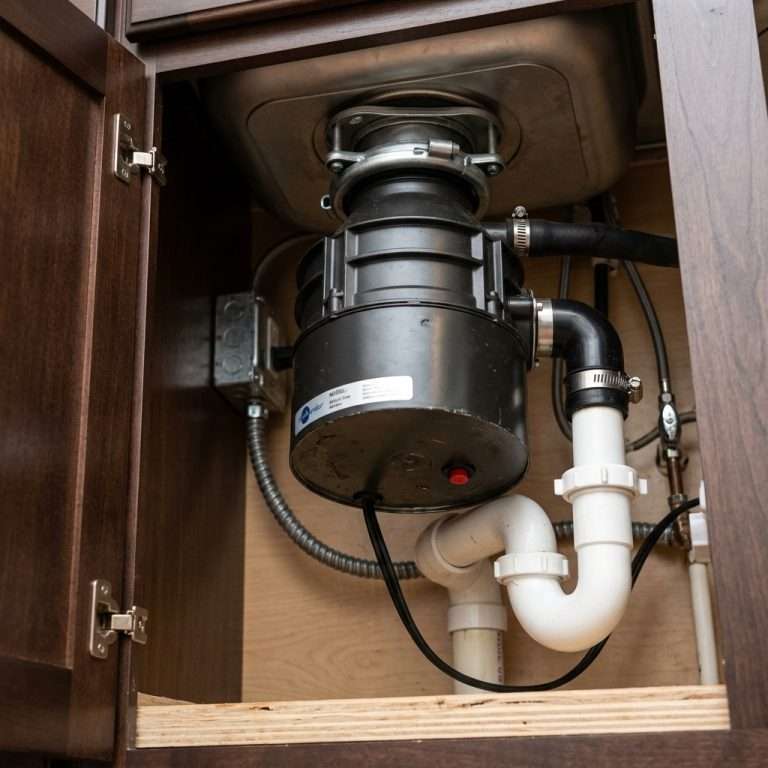
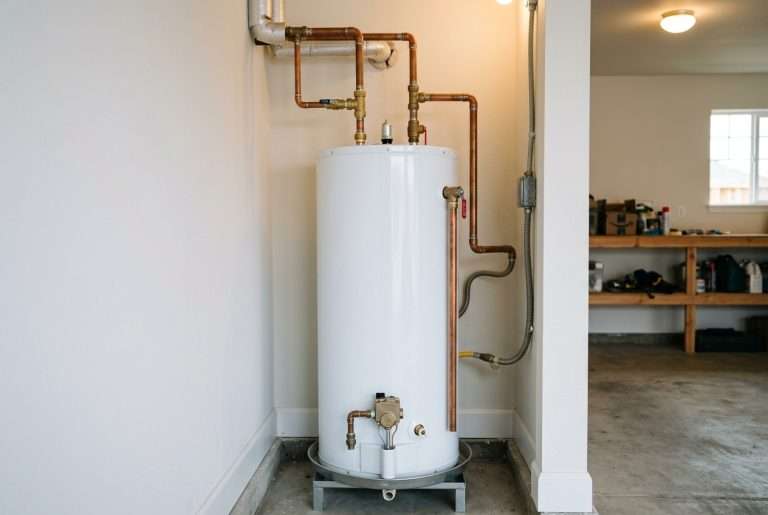
Start at the most likely spots: under sinks, behind the water heater, around the toilet base, and at any exposed shutoff valves — these account for most residential leaks because they have the most joints and moving parts. Run your hand along exposed pipe under sinks and in the garage or crawlspace; a wet or corroded section usually pinpoints the exact spot. If you don’t find anything visible but the meter test confirmed a leak, the pipe is likely inside a wall or under the slab, and DIY location tools (a lot of homeowners try, but slab leak detection equipment is specialized) usually cost more in wasted time and wall damage than a plumber’s inspection.
Can you fix a leaky pipe yourself?
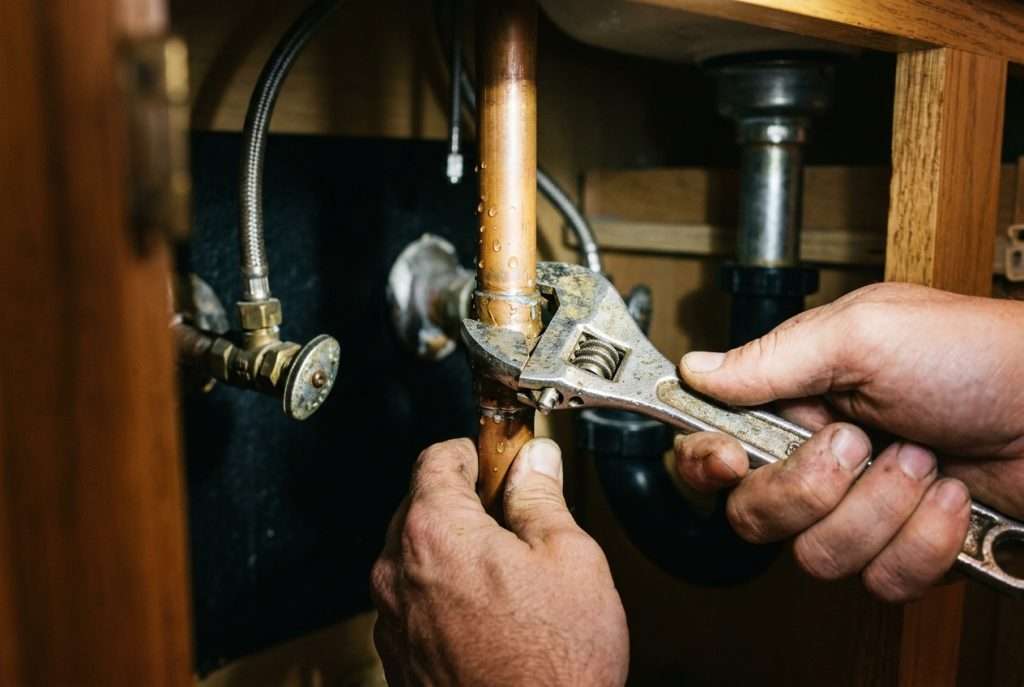
Yes, for specific, accessible situations: a dripping compression fitting under a sink often just needs the nut tightened a quarter turn or the seal ring replaced; a small pinhole leak in accessible copper pipe can be temporarily sealed with an epoxy putty or pipe repair clamp (available at any hardware store for $10-25) until a permanent fix; a leaking shutoff valve usually needs the valve itself replaced, which is a straightforward swap if you can shut off water to the house first. Before touching anything, know how to shut off water to your house at the main valve — skip this step and a “quick fix” can flood the room.
What tools do you actually need?
An adjustable wrench, plumber’s tape (Teflon tape) for threaded fittings, a pipe repair clamp or epoxy putty for pinhole leaks, and a bucket and towels for the inevitable mess. A pipe cutter and replacement fitting are needed if you’re cutting out a damaged section rather than patching it — that’s a bigger job and worth confirming the pipe material (copper, PEX, or galvanized) before buying parts, since fittings aren’t interchangeable.
When is a leaky pipe not a DIY job?
Skip the DIY route if the leak is inside a wall, under a concrete slab, at a main line before the shutoff valve, or if you’re seeing signs of a slab leak — warm spots on the floor, unexplained foundation cracks, or the sound of running water with everything off. Galvanized pipe leaks are also a signal to call a pro rather than patch: if one section is corroded enough to leak, nearby sections are usually close behind, and patching one spot just delays the next failure. Homes with older copper pipe experiencing pinhole leaks in multiple spots often have a water chemistry issue that a single patch won’t solve.
What does it cost if you call a plumber instead?
A straightforward accessible-pipe repair typically runs in the low hundreds; slab leak detection and repair costs considerably more because it involves locating the leak through concrete and either tunneling or rerouting the line. Getting a professional opinion early — even just for the diagnosis — is usually cheaper than a DIY attempt that turns into water damage behind drywall you didn’t know was compromised.
Western Rooter & Plumbing has been finding and fixing leaks across the San Gabriel Valley, Upland, and Brea for years. If your leak is anywhere you can’t easily see and reach, call 626-448-6455 or schedule a leak inspection online before a small drip becomes a bigger repair.