Plumbing emergencies do not wait for business hours. A pipe that bursts at 2 a.m. on a Saturday night requires a response that a standard plumbing appointment cannot provide. But not every urgent plumbing situation is a true emergency, and understanding the difference saves you money, prevents unnecessary panic, and helps you get the right response when something does go wrong after hours in your San Gabriel Valley home.
This guide explains what constitutes a genuine plumbing emergency, what can wait for a scheduled appointment, and what to do in each situation while you wait for help to arrive.
What Makes a Plumbing Situation an Emergency
A plumbing emergency is any situation where delaying repairs risks damage to your home, poses a safety hazard to your family, or causes loss of access to essential water or gas service. Here are the situations that meet that definition:
Active water flooding. Any situation where water is actively spilling into your home from a burst pipe, failed connection, or major leak that cannot be stopped by turning off the fixture or the local shut-off valve. This is the clearest emergency category — water damage escalates quickly, and every minute it continues causes more damage to floors, walls, and belongings.
No water service to the entire home. If you turn on a faucet and nothing comes out, and your neighbors have water, something in your home’s supply system has failed. This could be a main line break, a serious leak somewhere in the system that has depressurized the lines, or a failed valve. Loss of water to the whole house typically means the problem is in the supply piping rather than an individual fixture.
Sewage backing up into the home. This is the most urgent health hazard among plumbing emergencies. When a sewer line blockage causes sewage to back up through drains in your home — typically lowest drains first — the contaminated water poses a serious health risk and requires immediate professional response. Do not attempt to clear a sewer backup yourself with chemical drain cleaners, as this can worsen the situation and expose you to pathogens.
Gas smell or suspected gas leak. If you smell the mercaptan odorant that California utilities add to natural gas (a sulfur or rotten egg smell), treat it as an emergency immediately. Evacuate the home without using any electrical switches, lights, or phones (which can ignite gas), go outside, and call your gas utility’s emergency line from outside the home. Once the gas company has confirmed the area is safe, a licensed plumber can locate and repair the leak. Western Rooter offers emergency plumbing services with 24-hour availability for gas leak repair and all other plumbing emergencies.
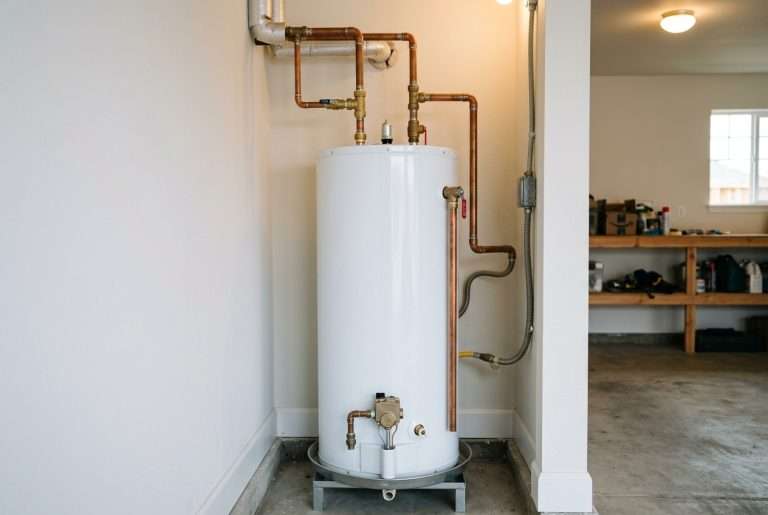
No hot water in cold weather. During winter in Glendora and the San Gabriel Valley, losing hot water when temperatures drop creates a livability issue. A failed water heater during a cold snap is an emergency for households with children, elderly residents, or anyone who needs warm water for hygiene. If your water heater fails and you have no reasonable way to heat water for bathing or cleaning, schedule emergency service.
What Is NOT a Plumbing Emergency
The following situations are urgent in the sense that you want them fixed promptly, but they do not constitute emergencies that require 24-hour response:
A single slow drain. A kitchen sink or shower drain that is running slowly but still draining is inconvenient but not an emergency. It can typically be cleared during a regular scheduled appointment within a day or two. Avoid liquid drain cleaners — they rarely resolve the issue and can damage older pipes.
A running toilet that will not stop. A toilet that runs continuously after you jiggle the handle is almost always a failed flapper or fill valve. While this wastes water, it does not cause damage to your home and can be scheduled for repair during regular hours. Turn off the water supply valve behind the toilet to stop the water waste until your appointment.
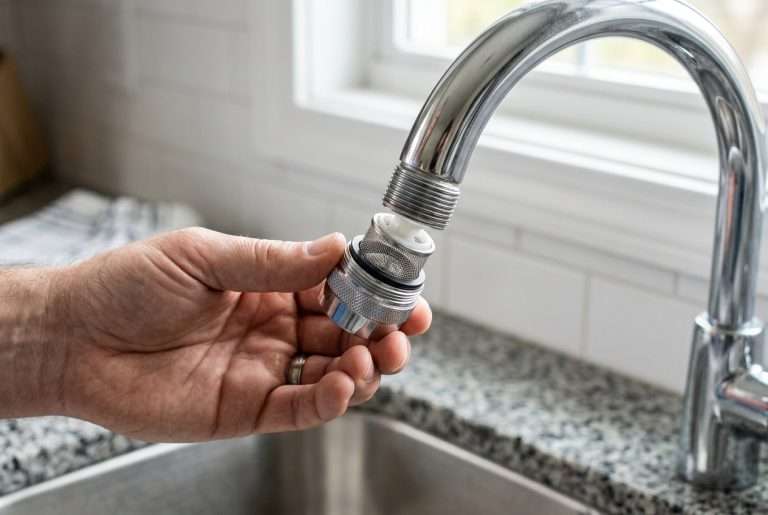
Low water pressure at one fixture. If your kitchen faucet is running at reduced pressure but all other fixtures are normal, the aerator screen may be clogged or the supply line may have a small obstruction. This is not an emergency. Schedule a maintenance appointment.
A leaky faucet. One dripping faucet, even if it keeps you up at night, does not cause damage to your home and can wait for a scheduled repair. The exception is if the leak is at a supply line connection and water is pooling near walls or floors — that changes the category.
Frozen pipes. While frozen pipes sound alarming, they are common in the San Gabriel Valley during cold snaps. If you turn on a faucet and no water comes out, and the weather has been near or below freezing, the pipe may be frozen rather than burst. Do not use an open flame to thaw frozen pipes. Call a plumber to locate the frozen section and thaw it safely before it bursts from expanding ice.
What to Do While Waiting for Emergency Response
When you have a genuine emergency and have called for emergency plumbing service, here is how to minimize damage and keep the situation safe while waiting:
For active flooding from a burst pipe: Find your home’s main water shut-off valve and close it to stop the water supply to the entire house. This single action stops the flooding immediately. Open all cold water faucets to drain the system and relieve pressure. Turn off any electrical circuits near the affected area if water is near electrical outlets or the panel. If the flooding is near gas appliances, shut off the gas as well. Soak up standing water with towels or a wet vacuum if available. Move belongings away from the affected area.
For sewage backup: Do not use any drains, toilets, or water fixtures in the home until a plumber clears the blockage. If water has already entered the home, wear rubber gloves and avoid direct contact with the contaminated water. Open windows for ventilation if possible without creating a draft that stirs the contamination. Keep children and pets away from the affected area.
For gas smell: Leave the home immediately. Do not use light switches, outlets, phones, or any spark-producing device. Call your gas utility’s emergency line from a neighbor’s house or a safe location outside. Once the gas company confirms the area is safe, call Western Rooter to repair the leak and restore gas service.
For no hot water: If you need hot water urgently and have a gas water heater, confirm the gas is on and the pilot light has not gone out. If the pilot light is out, relight it according to the manufacturer’s instructions (posted on the water heater). If you cannot relight it safely, wait for the plumber.
Emergency Plumbing Availability in the San Gabriel Valley
Western Rooter maintains 24-hour emergency plumbing availability for residents of Glendora, San Dimas, Covina, Azusa, Monrovia, Arcadia, Pasadena, and surrounding communities. Emergency service is available 365 days a year, including weekends and holidays.
Emergency plumbing calls are priced differently from scheduled maintenance appointments. After-hours service typically includes a premium for the response availability. However, the premium is justified when the alternative is escalating water damage or a gas safety hazard. Calling an emergency plumber at 3 a.m. to stop a burst pipe that is flooding your garage costs $300 to $500 more than a scheduled repair — but that same pipe left unrepaired for 8 hours may cause $5,000 in water damage to your flooring and walls.
Before you call for emergency service, confirm with the plumbing company that they are a licensed, insured contractor who provides emergency response. Not all plumbing companies that advertise 24-hour service actually have a licensed plumber on call — some contract the work out to third-party responders who may not be familiar with your local jurisdiction’s codes.
Western Rooter’s emergency plumbing team is staffed by our own licensed plumbers, not contracted responders. When you call our emergency line, you are talking to someone who knows your plumbing system history and understands the specific code requirements for Glendora, San Dimas, and the surrounding San Gabriel Valley.
How to Prevent Plumbing Emergencies
The best way to handle a plumbing emergency is to prevent it from happening in the first place. Regular maintenance addresses most of the conditions that turn minor issues into middle-of-the-night crises.
Annual plumbing inspections catch small leaks before they become flooding events, identify corroding pipes before they fail, and verify that your water heater is operating safely before the winter freeze season. Many plumbing emergencies that appear sudden actually have warning signs months in advance — a slow leak under a cabinet, a water heater making unusual sounds, a drain that requires increasing frequent snaking. These warning signs are what a trained plumber looks for during a routine inspection.
Schedule a preventive plumbing maintenance visit to reduce the risk of emergencies in your Glendora or San Dimas home.
What to Do While Waiting for Emergency Response
When you have a genuine emergency and have called for emergency plumbing service, here is how to minimize damage and keep the situation safe while waiting:
For active flooding from a burst pipe: Find your home’s main water shut-off valve and close it to stop the water supply to the entire house. This single action stops the flooding immediately. Open all cold water faucets to drain the system and relieve pressure. Turn off any electrical circuits near the affected area if water is near electrical outlets or the panel. If the flooding is near gas appliances, shut off the gas as well. Soak up standing water with towels or a wet vacuum if available. Move belongings away from the affected area.
For sewage backup: Do not use any drains, toilets, or water fixtures in the home until a plumber clears the blockage. If water has already entered the home, wear rubber gloves and avoid direct contact with the contaminated water. Open windows for ventilation if possible without creating a draft that stirs the contamination. Keep children and pets away from the affected area.
For gas smell: Leave the home immediately. Do not use light switches, outlets, phones, or any spark-producing device. Call your gas utility’s emergency line from a neighbor’s house or a safe location outside. Once the gas company confirms the area is safe, call Western Rooter to repair the leak and restore gas service.
For no hot water: If you need hot water urgently and have a gas water heater, confirm the gas is on and the pilot light has not gone out. If the pilot light is out, relight it according to the manufacturer’s instructions (posted on the water heater). If you cannot relight it safely, wait for the plumber.
Emergency Plumbing Availability in the San Gabriel Valley
Western Rooter maintains 24-hour emergency plumbing availability for residents of Glendora, San Dimas, Covina, Azusa, Monrovia, Arcadia, Pasadena, and surrounding communities. Emergency service is available 365 days a year, including weekends and holidays.
Emergency plumbing calls are priced differently from scheduled maintenance appointments. After-hours service typically includes a premium for the response availability. However, the premium is justified when the alternative is escalating water damage or a gas safety hazard. Calling an emergency plumber at 3 a.m. to stop a burst pipe that is flooding your garage costs $300 to $500 more than a scheduled repair — but that same pipe left unrepaired for 8 hours may cause $5,000 in water damage to your flooring and walls.
Before you call for emergency service, confirm with the plumbing company that they are a licensed, insured contractor who provides emergency response. Not all plumbing companies that advertise 24-hour service actually have a licensed plumber on call — some contract the work out to third-party responders who may not be familiar with your local jurisdiction’s codes.
Western Rooter’s emergency plumbing team is staffed by our own licensed plumbers, not contracted responders. When you call our emergency line, you are talking to someone who knows your plumbing system history and understands the specific code requirements for Glendora, San Dimas, and the surrounding San Gabriel Valley.
If you are not sure whether your situation qualifies as an emergency, call anyway. Our team will ask you a few questions about the symptoms and help you determine whether you need immediate response or whether a scheduled appointment is appropriate. You will never be charged for a service call simply for asking whether your situation is an emergency.