Many California homeowners wonder if they need an expansion tank for their water heater. The answer might surprise you. The California Plumbing Code (CPC) makes expansion tanks mandatory for homes that have closed plumbing systems.
Your water heater’s operation causes natural thermal expansion. Cold water expands naturally as it heats up inside the tank. A standard 50-gallon water heater’s content expands to roughly 52 gallons at 120°F. Your plumbing system’s pressure increases without a proper outlet for this expanded water. California’s building code requires expansion tanks for closed systems to address this issue. Most homes throughout Marin and Sonoma counties have closed systems, especially those with a pressure-reducing valve (PRV) or backflow preventer.
This piece explains water heater expansion tanks and their requirements under California regulations. You’ll learn how to determine your home’s needs for this crucial safety component. Understanding these requirements helps prevent plumbing issues and ensures code compliance, whether you own a new home or plan to upgrade your system.
What is a water heater expansion tank and how does it work?
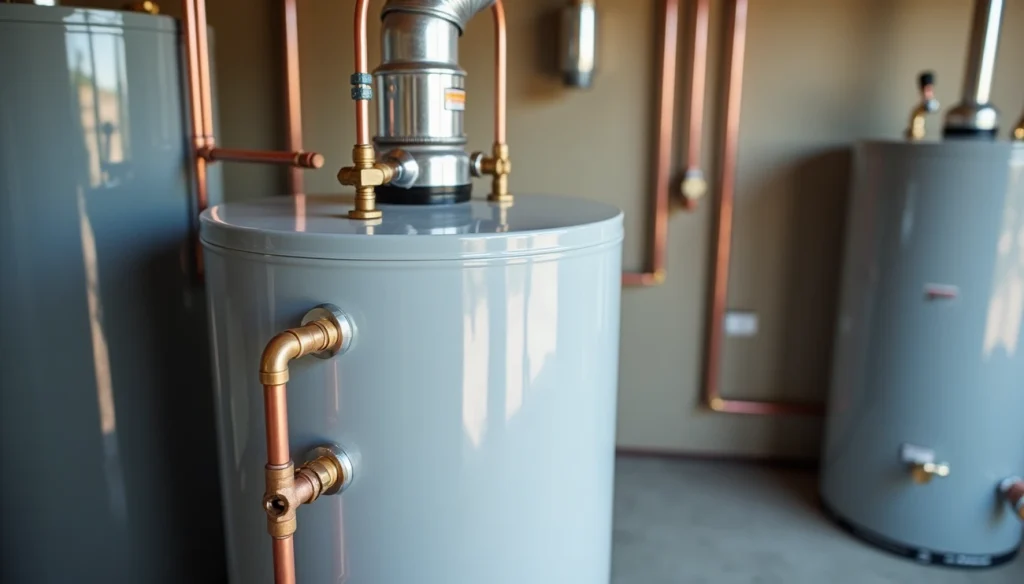
A water heater expansion tank is a small cylindrical device that connects to the cold water supply line of your water heater. This safety component protects your home’s plumbing by relieving pressure.
The science works in a simple way. Water expands naturally as it heats up. A 40-gallon water heater causes water to expand by about half a gallon during heating from 90°F to 140°F. Your plumbing system faces additional pressure from this expansion.
The expansion tank features two chambers with a rubber diaphragm or bladder between them. One chamber holds pressurized air, and the other connects to your water line. The excess water flows into the tank as water heats and expands, which compresses the air chamber. Your plumbing system stays protected because this air cushion absorbs the extra pressure.
The stored water returns to your plumbing system when hot water gets used or cools down, pushed back by the compressed air.
Your water heater, pipe joints, and plumbing fixtures could suffer damage from dangerous pressure levels without this vital component. The temperature and pressure relief valve might start dripping non-stop due to excess pressure.
Current expansion tanks need proper installation in an upright position, supported independently from the piping, usually placed about 18 inches from the water heater inlet. The tank’s air pressure must match your home’s water pressure to work effectively.
When is an expansion tank required in California?
The California Plumbing Code has strict regulations about expansion tanks. These regulations make it mandatory to install expansion tanks in all closed plumbing systems. Your home’s plumbing infrastructure needs this protection – it’s not optional.
A “closed system” might sound complex, but it’s straightforward. Your plumbing becomes a closed system when water can’t flow back to the municipal supply after entering your home. Several devices can create this situation:
- A check valve
- A backflow preventer
- A pressure-reducing valve (PRV)
- A water meter with built-in check valve
These components turn your plumbing into a one-way street for water and block its return to city water lines. Most homes in California, particularly those in Marin and Sonoma Counties, have this setup.
Your home needs expansion tanks in specific situations:
- Downstream of each pressure regulator
- When closed devices block pressure dissipation
- During new high-efficiency water heater installations
Hot water expands naturally, and without an expansion tank, it has nowhere to go. This can lead to dripping faucets, leaking pipes, and your water heater failing sooner than it should. The expansion tank works as a shock absorber that protects your plumbing system’s components.
Get in touch with Western Rooter now for your free expansion tank installation estimate!
How to know if your home needs an expansion tank
Your home might need an expansion tank, and spotting these warning signs early can save you from repairs that get pricey and plumbing headaches. These telltale indicators will help you decide:
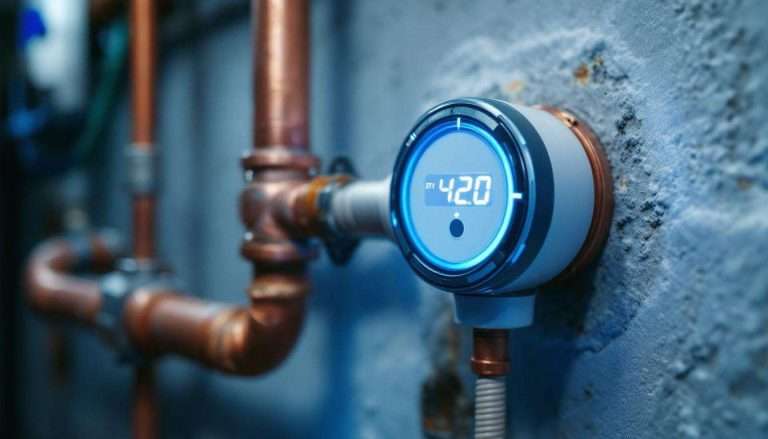
Plumbing system issues signal thermal expansion problems. Your temperature and pressure relief valve might drip or leak often, which indicates excessive pressure in your system. The water pressure should stay between 40-80 psi, and relief valve leaks usually happen when pressure exceeds 150 psi.
Unusual noises from your pipes create banging or knocking sounds (water hammer) when faster flowing water stops suddenly with nowhere to expand. These sounds mean your plumbing system struggles to manage pressure effectively.
Other warning signs include:
- Hot water usage causes pressure changes
- Water bills seem higher than usual
- Toilets run too often
- Faucets drip even after new washers
- Water-using appliances fail too soon
Physical home features play a crucial role. Homes at the bottom of hills or near fire hydrants face higher water pressure risks. This is a big deal as it means that homes with any backflow prevention device on the main water line have a closed system and need an expansion tank.
Western Rooter can help! Reach out today for a free estimate on the right expansion tank for your home!
Conclusion
This piece explains why water heater expansion tanks matter so much to California homeowners. These small devices serve a vital role to protect your home’s plumbing system from pressure-related damage. The California Plumbing Code mandates expansion tanks for closed systems, which applies to most homes that have backflow preventers, check valves, or pressure-reducing valves.
Heated water expands naturally and creates extra pressure that needs an escape route. Your water heater, fixtures, and appliances can suffer damage without an expansion tank in place. The warning signs we discussed should raise immediate concern – dripping relief valves, banging pipes, and unstable water pressure often point to dangerous pressure buildup.
Some homeowners might skip installing an expansion tank to cut costs. However, fixing water damage or replacing a failed water heater costs nowhere near what you’d spend on an expansion tank. The installation must meet specific requirements – the tank needs proper upright mounting, support, and pressure matching your home’s water system.
Los Angeles and San Bernardino County homeowners who ensure their water heaters meet current codes gain both safety advantages and peace of mind. A protected plumbing system pays off through lower maintenance costs and longer equipment life.
A properly sized expansion tank should top your priority list, whether you’re getting a new high-efficiency water heater or upgrading your current system. Contact Western Rooter today to get a free estimate on professional expansion tank installation that meets all California code requirements!