Natural gas is a safe and efficient fuel source until it isn’t. When gas lines, often hidden behind drywall or under floorboards, develop a leak, the result can be catastrophic.
In the earthquake-prone San Gabriel Valley, hidden gas leaks are a genuine risk. Here is how to spot them before it’s too late.
The Smell Test (And Why It Fails)
Everyone knows the “rotten egg” smell. Utility companies add mercaptan to natural gas (which is odorless) so you can smell a leak.
However, smell isn’t foolproof.
If a leak is small and hidden inside a wall cavity, the drywall can absorb the mercaptan odorant while the gas itself seeps through. Or, if the leak is underground in the yard, the soil acts as a filter. You might never smell a thing.
Silent Signs of a hidden Leak
1. Hissing Sounds
If you hear a faint hissing or whistling sound near your stove, water heater, or even coming from a specific spot in the wall, do not ignore it. That is the sound of pressurized gas escaping.
2. Dead Houseplants
If you have a houseplant near a gas line that suddenly turns brown and dies, while other plants in the room are fine, it might be suffering from oxygen displacement caused by leaking gas.
3. Physical Symptoms
If you frequently get headaches, feel dizzy, or experience nausea while at home, but feel better when you leave the house, you might be breathing in low levels of gas or carbon monoxide.
4. Higher Gas Bills
Did your gas bill jump for no reason? If you haven’t been running the heater more than usual, that gas is going somewhere.
What To Do (Urgent)
If you suspect a leak:
1. Open windows and doors immediately.
2. Do NOT touch any electrical switches. Don’t turn lights on or off. The spark can ignite the gas.
3. Evacuate the house. Get everyone (and pets) out.
4. Call the Gas Company or 911.
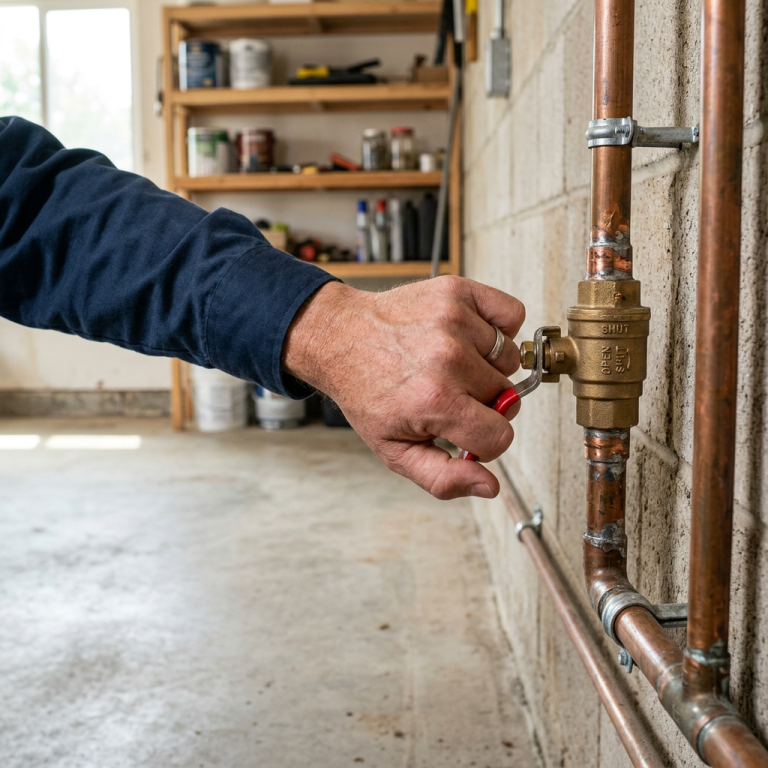
5. Call a Licensed Plumber. Once the gas company turns off your meter, they will “red tag” it. You *cannot* turn it back on until a licensed professional (like Western Rooter) repairs the leak and pressure tests the line to prove it is safe.
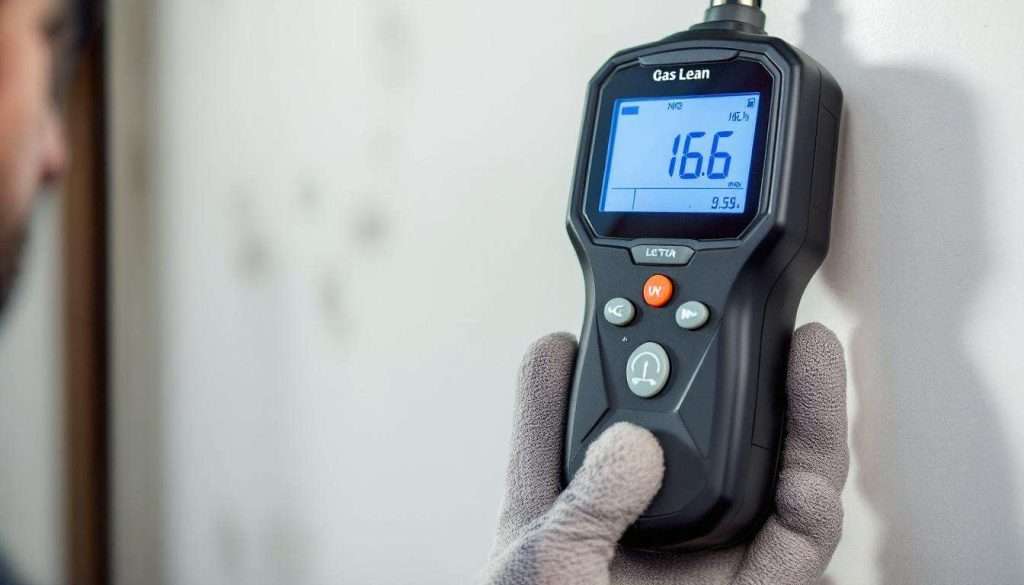
Western Rooter specializes in finding and fixing hidden gas leaks. We use electronic sniffers to locate the exact source without tearing apart your entire house.