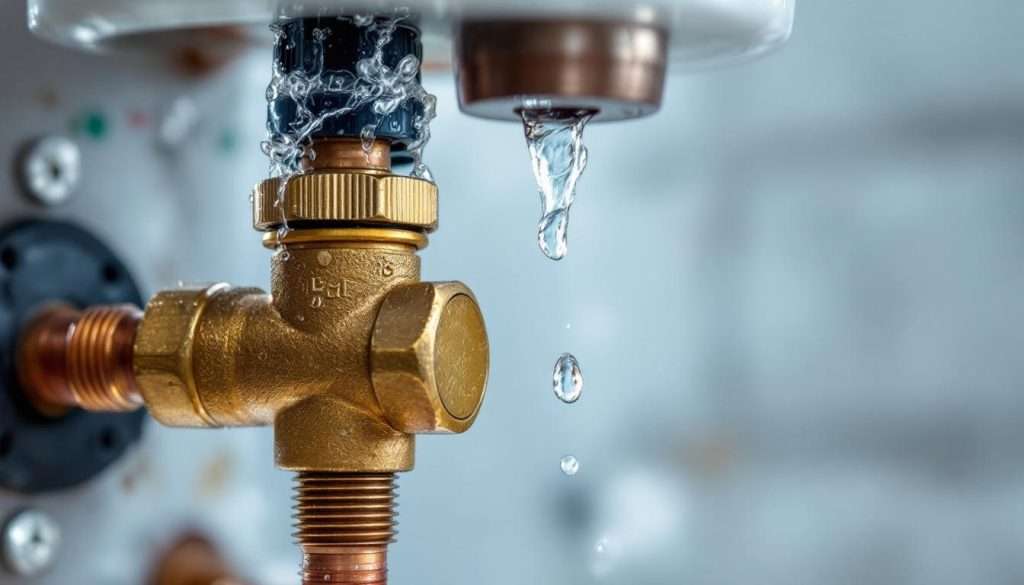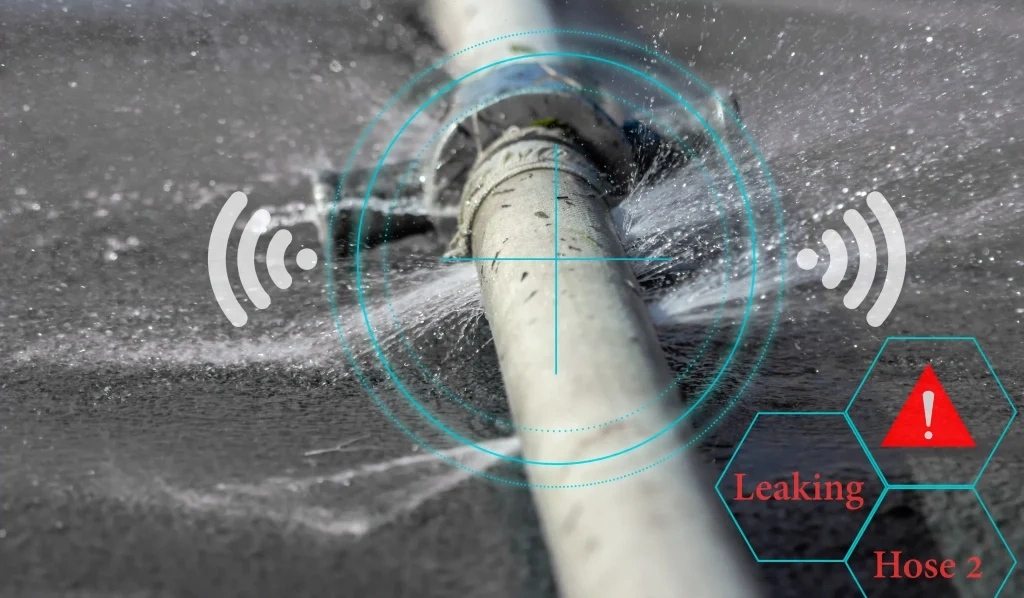
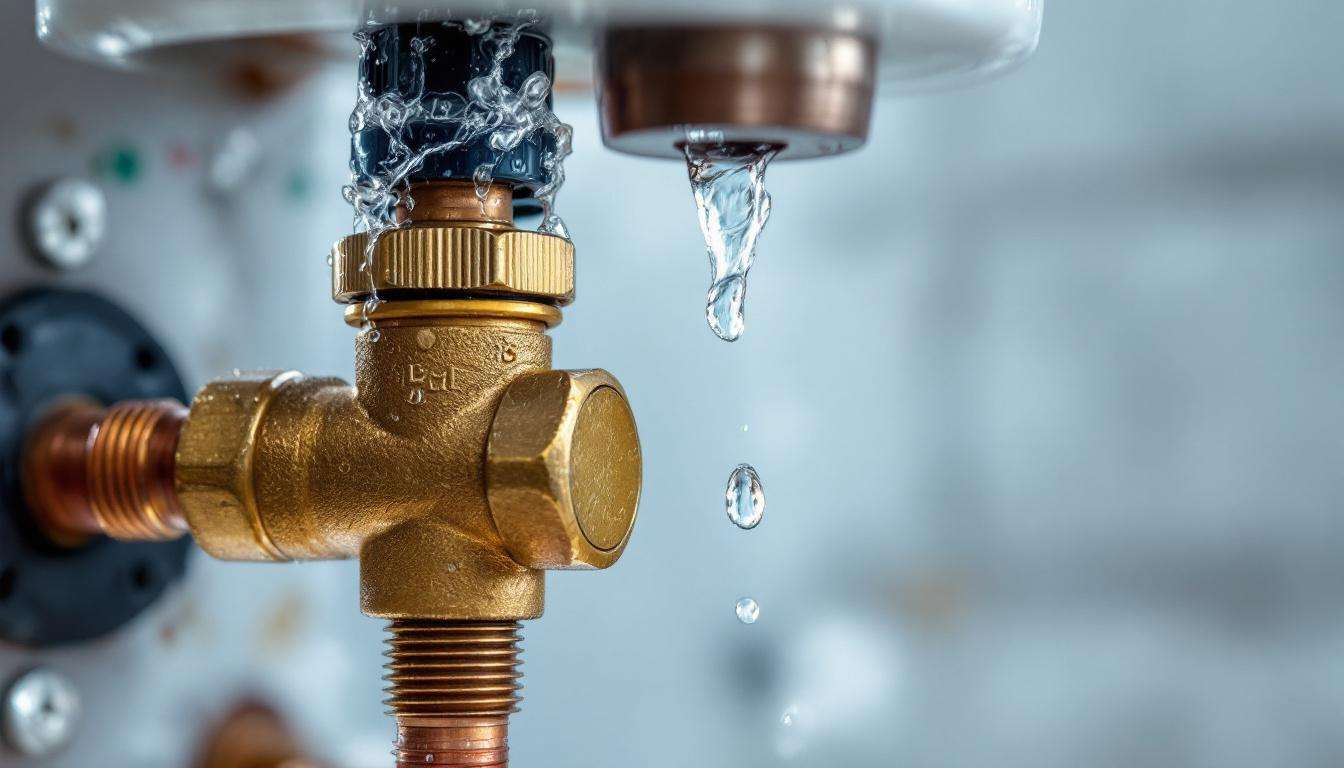
Walk over to your water heater. Do you see a small puddle of water on the floor? Or a slow drip coming from the brass valve on the side or top of the tank?
That is your Temperature and Pressure (T&P) Relief Valve. It is the most critical safety device on your water heater. Ignoring a leak here isn’t just about a wet floor—it’s a warning sign that your water heater could be dangerously over-pressurized.
What Does the T&P Valve Do?
Your water heater is essentially a pressure cooker. As water heats, it expands. If that pressure builds too high (from overheating or a blocked main line), the tank could theoretically explode. The T&P valve is the fail-safe. If pressure or temperature exceeds safety limits, the valve opens to let steam and water escape, relieving the pressure.
Why Is It Leaking?
A leaking relief valve usually means one of two things:
1. The Valve is Doing Its Job (Pressure is Too High)
If the valve is dripping, your tank might be overheating or over-pressurized. This can happen if:
- The thermostat is stuck “logic.”
- Your home’s thermal expansion tank (if you have one) has failed.
- Your home’s main water pressure regulator is broken, allowing high-pressure city water into your tank.
2. The Valve Has Failed
Like any mechanical part, springs wear out. Sediment from our hard San Gabriel Valley water can get stuck in the valve seal, preventing it from closing tightly. If the valve is old, it might just be “tired” and unable to hold back normal pressure.
The Dangers of “Capping It Off”
NEVER plug or cap a leaking relief valve.
We have seen homeowners put a threaded cap on the pipe to stop the dripping. This removes the safety mechanism. If the thermostat fails and the burner keeps running, the pressure will build until the weakest point gives way—usually the bottom of the tank, blowing out tens of gallons of scalding water instantly.
How to Test It (Caution!)
You can test the valve by lifting the small metal lever. Warning: Scalding hot water will come out.
- Lift the lever quickly and release it.
- A burst of water should flow into the overflow tube and stop immediately when you release.
- If water keeps dripping afterwards, sediment is likely blocking the seal. The valve needs to be replaced.
When to Call a Pro
If your valve is leaking, you need an expert to determine *why*. Is it a $50 bad valve? Or is it a sign that your water heater is about to fail or your home’s pressure is dangerous?
At Western Rooter, we carry replacement valves for all major brands. If you see water, call us immediately at (626) 448-6455. This is one leak you don’t want to ignore.