
There are clogs, and then there are *Main Line Clogs*. A clogged sink is an annoyance; a clogged main sewer line is a plumbing emergency. The main line is the highway that carries all waste from your home to the city sewer. When it shuts down, your entire house shuts down.
Recognizing the difference between a local backup and a main line failure is crucial. This guide covers the symptoms, the causes, and the repair options available to Los Angeles homeowners.
Distinguishing a Main Line Clog from a Local Clog
How do you know it’s the main line?
Local Clog:
Only one fixture is affected. If the kitchen sink is backed up but the toilet flushes fine, the blockage is in the pipe immediately under the sink.
Main Line Clog:
Multiple fixtures back up simultaneously. Because the main line is the lowest exit point, waste backs up into the lowest drains first—usually the bathtub or shower.
The Classic Symptom:
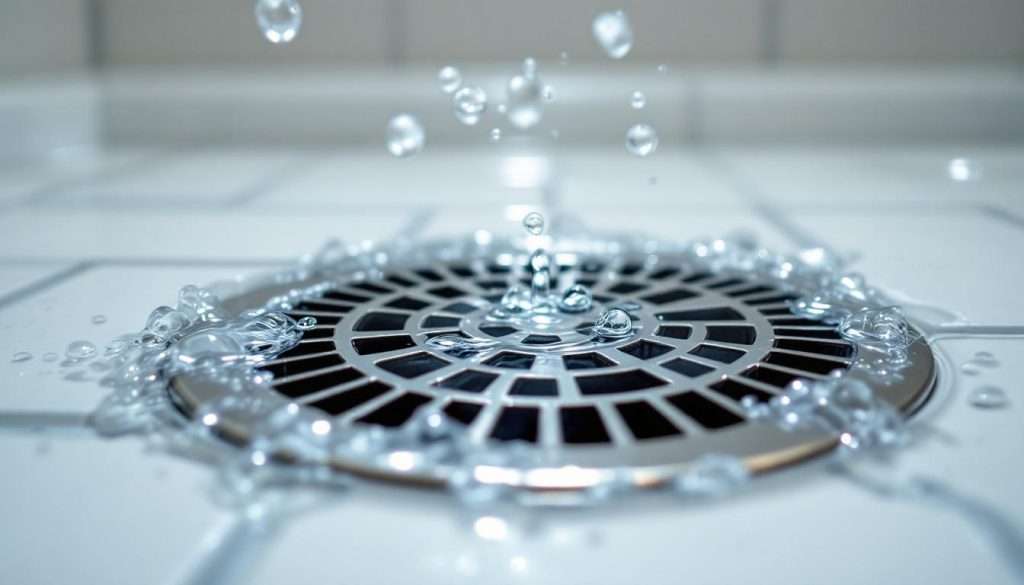
If you flush the toilet and seeing wastewater gurgle up into the bathtub, you have a main line blockage. The water has nowhere else to go but the nearest open drain.
Why Is My Sewer Line Clogged?
In the San Gabriel Valley, four culprits are responsible for 90% of main line issues:
1. Tree Roots: Older clay pipes have joints that roots easily penetrate seeking water. They form massive webs that catch paper and waste.
2. Grease/FOG: Fats, Oils, and Grease poured down the sink cool and harden, choking the pipe diameter.
3. “Flushable” Wipes: A marketing lie. These wipes do not dissolve like toilet paper. They snag on roots and create “fatbergs.”
4. Broken Pipes: Earth movement can cause pipe sections to offset (disconnect) or “belly” (sag), trapping waste.
Diagnostic Step 1: Locate the Cleanout
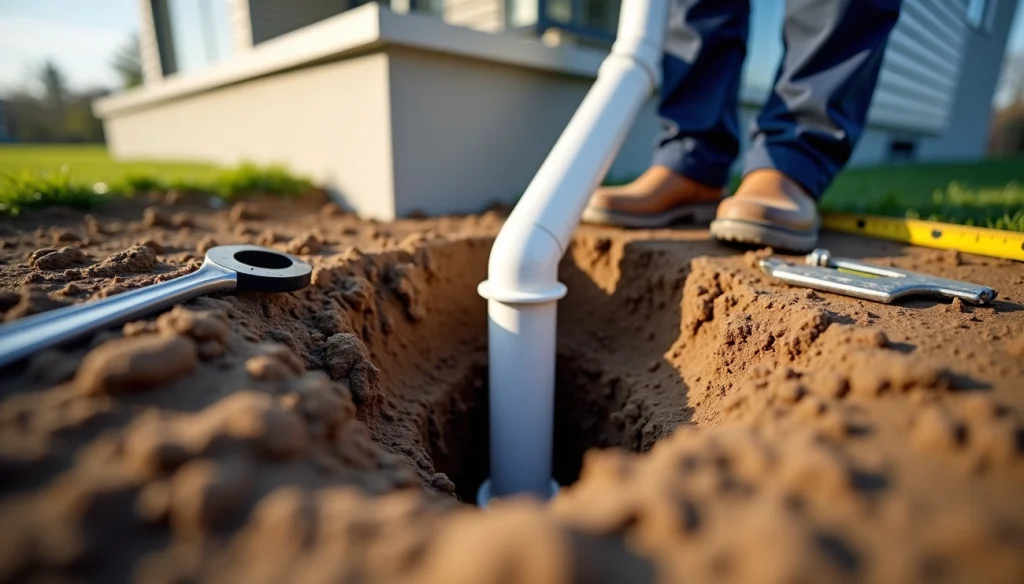
To clear the line, we need access. The sewer cleanout is the gateway to your plumbing system.
* Look For: A 3 or 4-inch pipe with a threaded cap, usually located in the front flower bed or driveway.
* Safety Warning: If the line is backed up, that cap is under pressure. Opening it might release a geyser of sewage. Stand back and proceed with caution.
* No Cleanout? If you can’t find one, you may have an older home without proper access. We install sewer cleanouts to bring your home up to code.
Repair Option A: Cabling (Snaking)
This is the standard “first attempt” fix.
* Process: A heavy-duty cable with a cutting blade is fed into the cleanout.
* Goal: Poke a hole through the blockage to restore flow.
* Verdict: Good for temporary relief and soft blockages, but often leaves roots and grease behind.
Repair Option B: Hydro Jetting
For a more permanent cleaning, we recommend hydro jetting.
* Process: High-pressure water scrubs the pipe walls clean.
* Goal: obliterate roots and scour away grease buildup.
* Verdict: The best maintenance solution. See our comparison of hydro jetting vs snaking.
Final Solution: Spot Repair or Trenchless
Sometimes, the pipe is simply too broken to clean. If a sewer camera diagnostic reveals a collapsed pipe:
* Spot Repair: Excavating just the broken section.
* Liner: Installing a trenchless liner to seal cracks from the inside.
A main line clog is stressful, but it’s solvable. Whether you need a simple snake or a full repair, Western Rooter has the tools to restore your sanitation system today.