
Copper pipes serve homes reliably but won’t last forever. These durable fixtures typically function well for 50 to 70 years before issues surface. Homes built over five decades ago might just need a complete plumbing system replacement.
Time takes its toll on all copper plumbing systems. Deteriorating copper pipes often develop frustrating pinhole leaks – tiny punctures that prove hard to spot and can get pricey to ignore. The water might show bluish-green discoloration, your pressure could drop, or leaks might pop up around your home. These signs aren’t mere nuisances – they signal serious problems that just need your immediate focus.
Smart homeowners spot these early warnings to avoid major water damage and sudden plumbing emergencies. This piece outlines 11 crucial warning signs that tell you it’s time to get a full picture from professionals before your old copper pipes fail.
Frequent Pinhole Leaks

Image Source: TDT Plumbing
Pinhole leaks are among the biggest headaches you’ll face with aging copper plumbing systems. These tiny defects might not look like much at first, but they can quickly turn into major problems for homeowners.
What are pinhole leaks in copper pipes?
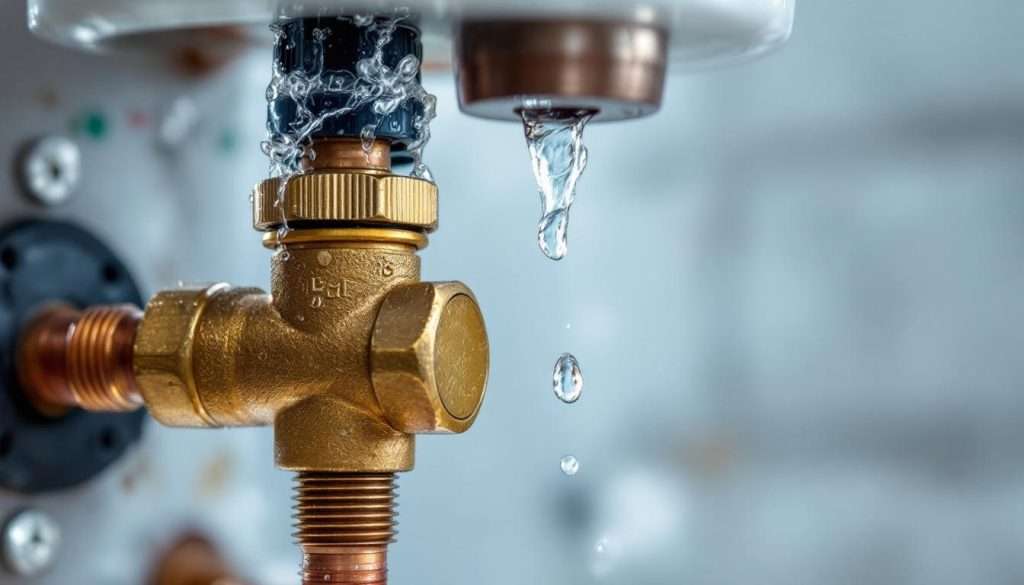
A pinhole leak is just what it sounds like—a tiny hole or crack in a copper pipe that lets water seep through. These small punctures are just a fraction of an inch but can leak surprising amounts of water as time passes. You’ll often find them in high water pressure areas, such as near water heaters or main supply lines.
Several things can cause pinhole leaks:
- Chemical corrosion: This happens most often when chemicals in water (especially chlorine from public water supplies) eat away at copper pipes.
- Galvanic corrosion: This occurs when different metals touch in water, creating an electrical current that corrodes the copper.
- Excessive sediment: This acts like sandpaper against pipe walls and wears them down.
- Manufacturing defects: Though rare, some leaks come from problems during pipe production.
The scary part about pinhole leaks is that they grow from inside out. You probably won’t see them until damage has started.
Why frequent pinhole leaks matter
These tiny leaks might seem harmless, but they can really hurt your home. They waste lots of water and lead to surprisingly high utility bills. A single pinhole leak wastes gallons each day without showing clear signs.
The damage goes far beyond wasting water. These constant leaks create perfect conditions for:
- Structural damage to walls, ceilings, and floors
- Mold and mildew growth that can harm your health
- Electrical hazards when water reaches wiring
- Lower property value from water damage
The scariest part? Most homeowners don’t find these leaks until they see water damage on ceilings or walls—which means the problem has existed long enough to cause substantial harm. Copper pipes thought to last 20-50 years can fail in just a few years because of these issues.
How to address pinhole leaks
You have several options when you find a pinhole leak. Your choice depends on how bad the leak is and what you plan for the long term:
Temporary solutions: If you need a quick fix or while waiting for a plumber, try:
- Epoxy putty ($5-$10) that you can mold around the leak for a temporary seal
- Pipe clamps with rubber gaskets for fast repairs
But remember, these quick fixes only treat the symptoms, not why it happens. They might fail as the pipe gets weaker.
Permanent solutions: For a lasting fix, you should:
- Replace the damaged pipe section—this works best for isolated leaks
- Switch to alternative materials like PEX, which resists corrosion better and offers more flexibility
- Consider whole-house repiping if you have widespread problems, especially if your copper pipes are near their 50-year mark
Don’t make these common mistakes when fixing pinhole leaks:
- Using only epoxy welding without fixing the weak pipe
- Putting on compression wraps that might burst later
- Trying to solder over active leaks, which fails because of moisture
Regular plumbing checks help catch problems before they become leaks. The right water treatment methods can also help your copper plumbing last longer.
Call a professional plumber to get a full picture if you think you have pinhole leaks. Quick action can save you thousands in water damage repairs.
Discolored or Metallic-Tasting Water

Image Source: Fischer Plumbing
Your tap water’s discoloration might be telling you something about your copper pipes. The unusual colors and metallic taste are clear signs that you need a professional to check your copper plumbing.
Why it happens: Discolored Water in Old Copper Pipes
Corroding copper pipes release tiny copper particles into your water supply. This corrosion process happens when copper plumbing breaks down through chemical reactions between the metal and your water or environment. Several things speed up this breakdown:
- Imbalances in water chemistry, particularly pH levels
- High dissolved oxygen content
- High levels of total dissolved solids
- Bad electrical grounding
- Water sitting too long in pipes
You’ll notice blue-green discoloration in your water first. This happens as corroding pipes release dissolved copper into your water supply. The discoloration looks strongest in your first morning water draw after water sits in corroded pipes overnight.
Different colors point to specific problems:
- Blue or bluish-green water shows your pipes are corroding inside
- Green coating on pipe exteriors warns of leaks and serious corrosion
- Black discoloration suggests high sulfur or reaction with other metals
Health and Esthetic Concerns
Copper-contaminated water creates more than just visual problems:
Too much copper can cause immediate stomach issues, headaches, vomiting, diarrhea, and cramps. People exposed to it long-term might see damage to their red blood cells and reduced oxygen levels. People with Wilson’s or Menke’s disease need extra caution since these conditions affect how their bodies process copper. They should talk to their doctors if copper exceeds 1.3 mg/L.
Your home faces ongoing issues from corroded copper pipes:
- Blue-green stains appear on sinks, tubs, and fixtures
- Clothes and hair might get stained
- Drinking water tastes and smells metallic
- Appliances can break down sooner, especially water heaters
The EPA says copper levels above 1.0 mg/L aren’t safe, setting 1.3 mg/L as the point where action must be taken.
Steps to Improve Water Quality
Here’s what you can do about copper in your water:
- Quick fixes:
- Run cold water for a minute before using it
- Use only cold water to drink and cook since hot water pulls more copper from pipes
- Get an NSF 53 certified filter that removes heavy metals
- Expert help needed:
- Test your water to check copper levels and find out what’s causing it
- Let professionals inspect your plumbing for serious corrosion
- Check pH levels since acidic water makes copper dissolve faster
- Long-term fixes:
- Put in whole-house water treatment systems like reverse osmosis for bad cases
- Use calcite neutralizers to fix acidic water
- Add orthophosphate corrosion inhibitors based on expert advice
- Replace any badly corroded copper pipes
Don’t wait to call a plumber if you spot discolored water or strange tastes. Quick action protects your health and your home’s plumbing system.
Low Water Pressure Throughout the House

Image Source: NuFlow Midwest
Your faucets and showerheads might show weak water flow, which points to a hidden problem in your home’s plumbing system. Homes with old copper pipes typically show decreasing pressure that needs quick attention.
How old copper pipes affect water pressure
Copper pipes develop internal corrosion and mineral buildup that makes their interior diameter smaller over time. This works just like cholesterol in arteries—water doesn’t have enough space to flow, which leads to lower pressure at your fixtures. Homes with plumbing that’s over 50 years old face this problem more often.
Residential plumbing systems work best at 40-60 psi. Old copper pipes lose pressure because of several factors:
- Oxidized debris builds up inside pipe walls and creates narrow pathways
- Sediment accumulates, especially if you have hard water
- Corrosion makes smooth interior surfaces rough
- Small leaks you can’t see divert water before it reaches fixtures
These restrictions get worse as time passes, and your powerful shower turns into a weak drip.
Why low pressure is a red flag
Your home’s low water pressure everywhere serves as a warning sign that copper plumbing is getting worse. Single fixture problems aren’t as concerning, but pressure problems throughout the house point to systemic plumbing issues.
Low pressure matters because:
Your pipes might be reaching the end of their 50-70 year lifespan. The problem often leads to pipe ruptures or major leaks. Pressure drops could mean hidden water damage exists behind walls or under floors.
Low pressure usually shows up with other warning signs like discolored water or recurring leaks. This pattern means you just need a professional to take a look.
Fixes and repiping options
You can fix low pressure issues in old copper pipes through quick fixes or complete replacement:
Short-term options:
- A professional can clean pipes to remove buildup and restore flow
- Pressure valve adjustments work if your system has a pressure-reducing valve
Permanent solutions:
- Replace the most corroded pipe sections
- Replace everything with Type L copper which works great for most homes
- Switch to modern options like PEX that don’t corrode
Type L copper gives you the best mix of durability and affordable pricing for normal home plumbing pressure. High-pressure systems do better with Type K copper, though it can get pricey.
New pipes are worth the money. You’ll get better water pressure, fewer repairs, and no expensive water damage. A professional plumber can give you a free assessment of your water pressure problems today!
Green or Blue Stains on Fixtures

Image Source: Fischer Plumbing
Blue or green stains on your bathroom and kitchen fixtures show that your copper pipes are deteriorating. These stains usually show up around drains, under faucets, or anywhere water touches surfaces regularly.
What these stains indicate about your copper pipes
Blue-green stains on plumbing fixtures tell you that copper corrosion is happening inside your plumbing system. Your water supply picks up tiny copper particles as corrosion eats away at your pipes. These particles leave stains on surfaces after water evaporates. The stains mean your pipes face a widespread corrosive attack that releases copper ions into your water.
These stains reveal more than just an eyesore about your plumbing system:
- Your pipes are breaking down from inside
- The protective layer inside your copper plumbing has failed
- Your water’s chemical makeup might speed up corrosion
- Copper levels in your water have become high enough to leave visible marks
The stains might appear right after installing new plumbing, but they signal ongoing damage in older systems.
Corrosion and mineral leaching explained
Chemical reactions between copper and water elements create these stains. “Aggressive water” causes most problems – water that has a pH under 7 or Total Dissolved Solids (TDS) below 100 mg/l. This acidic water dissolves copper and creates copper hydroxocarbonate, which leaves that distinctive blue-green mark.
More factors play a role:
- High levels of dissolved oxygen and carbon dioxide in water
- Stagnant water with high bicarbonate content
- Low disinfectant levels that let microbes grow
- Different metals touching and creating electrochemical reactions
Your water carries away actual pieces of your plumbing system. Each time you use water, your pipes dissolve bit by bit.
Cleaning and prevention tips
You can remove existing stains with these proven home solutions:
- Vinegar and salt paste: Mix equal parts white vinegar, salt, flour, and baking soda into a paste. Let it sit on stains for 30 minutes, then scrub and rinse.
- Barkeeper’s Friend: This cleaner takes care of copper stains without hard scrubbing.
You can prevent future stains by:
- Adding a water treatment system that fixes pH problems
- Using calcium media filters that neutralize aggressive water
- Putting protective coatings like fixture polish between water and fixtures
- Running water regularly to avoid stagnation
A professional plumber can check your water quality and tell you if your old copper pipes need attention right away!
Visible Corrosion or Verdigris on Pipes

Image Source: Total Mechanical Care
Your home’s exposed copper pipes might show a green-blue coating that signals trouble. This distinct color tells you a lot about your plumbing system’s health and you might need a professional to take a look.
What verdigris looks like on copper
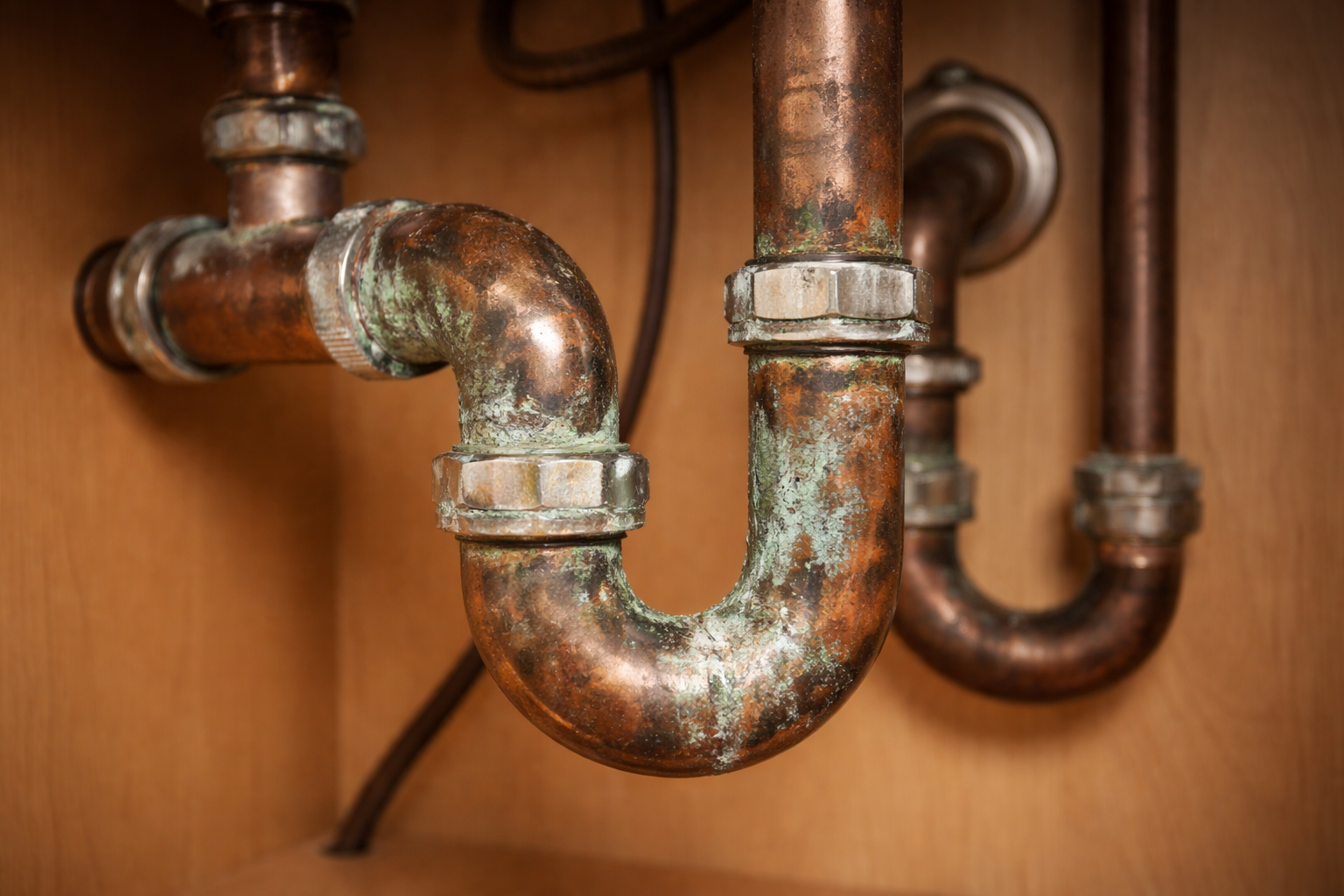
Verdigris is what plumbers call the green or blue-green coating on copper pipes. The coating appears when copper reacts with oxygen, moisture, and carbon dioxide in the air. You’ll spot this patina by:
- A blue-green layer covering the pipe’s surface
- White mineral deposits mixed in sometimes
- Pitted or eroded pipe areas in worse cases
- Spots around joints or connection points
The green discoloration on copper pipes’ exterior is harmless cosmetic oxidation 85% of the time. In spite of that, you should watch out for concentrated green spots with dampness, water drops, or stains on nearby surfaces.
Why corrosion is dangerous
The visible corrosion points to something more serious than just looks plumbing issues. Copper oxidation creates pits and weak spots in water pipes that turn into pinhole leaks. The pipe walls get thinner as this happens, and sudden breaks become more likely.
Your water quality suffers too. Deteriorating copper dissolves into your water supply – this is a big deal as it means that EPA safety limits of 1.0 mg/L could be exceeded. High copper levels damage appliances, shorten your water heater’s life, and can cause stomach problems.
Letting corrosion go unchecked leads to:
- Water damage spreading through walls, ceilings, and floors
- Weakened plumbing system structure
- Mold growth from hidden moisture
Inspection and replacement advice
Look at exposed pipes in your basement, under sinks, and near water heaters. Pipes over 30 years old need extra attention since they corrode more easily.
You should replace pipes when:
- Multiple pinhole leaks show up
- Pipe surfaces look badly pitted or eroded
- Leaks keep coming back across the system
- Your plumbing is older than 40 years and shows internal corrosion
A professional inspection makes sense for copper plumbing between 50-70 years old. This helps you avoid emergencies and repairs that can get pricey later.
Call a professional plumber today for a free look at your old copper pipes!
Unexplained Water Damage or Mold

Image Source: On Services | Mechanical, Electrical, Plumbing, HVAC
Water leaks from aging copper pipes can wreak havoc long before you find the problem. These sneaky leaks work silently behind walls, under floors, and above ceilings, unlike obvious plumbing failures.
How hidden leaks from copper pipes cause damage
Tiny pinhole leaks in copper plumbing systems often trigger massive floods. You might need to remove drywall only to find hidden mold growth behind walls. These small holes can create surprising amounts of damage:
- Water builds up slowly in enclosed spaces where air barely moves
- Moisture soaks building materials and creates perfect conditions for mold
- Water flows along beams and pipes, showing up way beyond the actual leak source
- Structural parts get weaker as they soak up moisture
Mold colonies start forming within just 24-48 hours after water exposure. These hidden leaks don’t just look bad – they can weaken your home’s structure over time.
Signs of mold and water intrusion
Your home might show these subtle hints of hidden plumbing problems:
- Persistent musty odors near walls with plumbing
- Discoloration or bubbling on walls and ceilings
- Peeling paint or wallpaper coming off surfaces
- Warm or damp spots on floors, mostly near bathrooms
- Unexplained increases in your water bills
- Ceiling water marks showing up as yellowish-brown stains
Many warning signs don’t point straight to plumbing problems. That strange humming sound or warm floor patch might not seem related to your copper pipes at first.
What to do if you suspect hidden leaks
Look for unexplained dampness on walls, ceilings, or floors. Pay extra attention to areas near plumbing, including kitchens, bathrooms, and laundry rooms. Here’s what you can do:
- Watch your water meter when no water runs—any movement means a leak
- Get professional leak detection with infrared technology to spot moisture behind walls
- Check if floors feel soft or warped—this means moisture underneath
- Fix any leaks you find right away—even temporary fixes like rubber patches help until permanent repairs happen
Since pinhole leaks tend to spread throughout your plumbing system, a detailed inspection could save you from the $10,000-$20,000 cost of emergency repiping.
Call a professional plumber today to get a free assessment if you think your old copper pipes might have hidden leaks!
Pipes Older Than 50 Years

Image Source: All Coast Home Inspections
Your copper plumbing system‘s age plays a big role in its condition. The calendar can tell you about trouble in your walls, even if you don’t see any obvious signs yet.
Understanding copper plumbing lifespan
Copper pipes last 50 to 70 years before you need to replace them. These pipes are tough compared to other materials but they won’t last forever. The best-case scenario lets copper plumbing work well for over 70 years. Several things affect how long they’ll last:
- Water quality and mineral content
- Installation quality and technique
- Environmental conditions like soil acidity
- Stray electrical currents
- Contact with chemicals or incompatible metals
Most homes built in the last 20 years don’t use copper for main plumbing lines. Builders now choose alternatives because copper costs too much.
Why age alone is a warning sign
Your copper plumbing needs a professional check once it hits the 50-year mark, whatever the visible issues might be. Time affects pipes from inside out, and problems often stay hidden until they become emergencies.
Most homeowners miss this vital timeline and wait for obvious signs. The damage inside has usually spread by a lot once you can see the problems. The 20-year threshold matters too—pipes older than this should be replaced rather than repaired when issues come up.
When to replace copper pipes
You should replace your pipes right away if:
- They’re 50-70 years old
- You keep fixing pinhole leaks
- Water pressure drops as pipes age
- You plan major renovations that will expose the plumbing
Replacing pipes before they fail costs less than fixing emergency leaks and water damage. Getting your old copper plumbing checked can catch problems early in older homes.
Call a professional plumber today to get your old copper pipes checked for free!
Recurring Plumbing Repairs

Image Source: Flow Pros Plumbing
Calling plumbers repeatedly to fix the same plumbing problems suggests a bigger issue than just random breakdowns. Your copper plumbing system might be breaking down if you need multiple repairs.
Why repeated fixes signal deeper issues
Recurring leaks in different spots usually mean your copper pipes have systemic corrosion. Your whole plumbing system could be failing when these problems keep coming back. Professional plumbers don’t just look at the obvious problems. They figure out why it happens – like water chemistry being off or pipes wearing out everywhere. The leaks will keep popping up in new places until you tackle what’s really going on.
Cost comparison: repair vs. repipe
The numbers tell a clear story over time:
- Quick fixes help in emergencies but hide the real problems
- Replacement makes more sense when repair costs hit 50% of what a new system costs
- Fixing one spot at a time costs less now but gets pricey later
- A complete repiping costs between USD 4,500 for small homes to USD 15,000 for larger properties
Long-term solutions
Homes with multiple leak patterns need a detailed fix:
- Switch from corroded copper to modern materials like PEX that resist corrosion better
- Think over partial replacement if problems stick to certain areas
- Get a full picture from professionals to see how bad things are
Older copper systems with ongoing issues need repiping. This gives you reliable plumbing and stops water damage from happening.
Water Has a Strange Smell

Image Source: Clean Water Store
Strange smells coming from your faucets might point to copper plumbing problems. These smells work as warning signs you shouldn’t ignore.
What odors in water can mean
Your water’s metallic taste could mean copper is leaking from deteriorating pipes. Copper particles mix into your water supply as plumbing ages. You’ll notice a bitter or metallic taste at concentrations of 1-2 mg/L. Water becomes undrinkable at higher levels (5-8 mg/L).
A rotten egg or sulfur smell points to hydrogen sulfide gas. This happens when bacteria in your plumbing react with sulfur compounds. Hot water systems with copper pipes face this issue commonly.
Copper pipe degradation and contamination
Bad water smells usually start with chemical reactions between water and degrading copper. Your water makes this worse if it has:
- Low pH (acidic conditions)
- High sulfur content
- Bacterial contamination
Copper levels might go beyond the EPA Action Level (1.3 mg/L). This could upset your stomach if you drink it.
Testing and treatment options
Here’s what you can do about smelly water from copper pipes:
- Run your water several minutes to flush out leftover flux or stagnant water.
- Get your water tested professionally to check copper and pH levels.
- Add activated carbon filters to get rid of metallic tastes and smells.
Stubborn problems might need a full plumbing check to decide between fixing parts or replacing everything.
Call a professional plumber now to get your old copper pipes checked for free!
Sudden Spike in Water Bills

Image Source: Elite Rooter
A surprise spike in your water bill might be the first sign that your old copper pipes need attention. This financial red flag needs quick action since it usually means hidden leaks are wasting water.
How old copper pipes can waste water
Old copper pipes often develop pinhole leaks – tiny holes that release water slowly. These small leaks waste a lot of water over time. The holes show up as copper naturally oxidizes and corrodes. You might not notice these slow leaks until your water bill shocks you one month.
Detecting hidden leaks
Here’s how to find out if leaking copper pipes are behind your rising bills:
- Look at your water meter with all taps off—a moving meter means you have a leak
- Pay attention to strange hissing or rushing water sounds near your pipes
- Try a simple dye test in toilets—put food coloring in tanks and watch if it shows up in bowls without flushing
- Keep an eye on unusual changes in water usage on your bills when your habits haven’t changed
A professional plumber can use thermal imaging and pressure testing to find leaks hiding in walls or under floors.
How to reduce water loss
Quick steps you can take:
- Shut off water to problem areas to stop waste
- Use epoxy putty as a quick fix in emergencies
- You might want to add affordable moisture detectors near pipes to catch future leaks early
The best long-term fix starts with a full plumbing inspection to assess if your copper pipes need partial replacement or complete repiping. This often saves money for systems over 20 years old.
Reach out to a professional plumber now to get a free assessment of your water bill concerns!
Pipes Are Noisy or Vibrating

Image Source: WarmZilla
Scary bangs and constant vibrations from your plumbing system usually mean your copper pipes are getting old. These unsettling sounds aren’t just a nuisance – they’re warning signs of damage that needs quick attention.
What causes banging or vibrating copper pipes
Water hammer stands out as the biggest problem with noisy pipes. This hydraulic shock happens at the time water flow suddenly stops or changes direction. You’ll notice this when you turn off a faucet or your washing machine finishes its cycle. Here are other reasons this happens:
- Water pressure that goes beyond the safe range of 60-80 PSI
- Pipe clips or fasteners that have come loose and let pipes move
- Air bubbles stuck in your plumbing system
Your copper pipes’ age makes these problems worse as connections start to wear down.
What it all means when water hammer strikes
Water hammer does more than create annoying noise. Here’s the real damage it causes:
- Pipe joints become loose and start leaking
- Copper plumbing’s solder joints develop cracks
- Your appliance valves and components break down
- Your appliance warranty might become void if pressure rises above 100 psi
How to fix noisy plumbing
The solution depends on what’s causing your copper pipes to make noise:
- Water hammer problems need arrestors near trouble spots to absorb shock waves
- High pressure needs a reducing valve to keep levels between 40-75 psi
- Loose pipes need secure straps or hangers
- Air in the system needs you to turn off the main water supply and open all faucets
Let a professional plumber give you a free assessment of those noisy copper pipes today!
Conclusion
Copper pipes deteriorate as they age and can cause major damage to your home. This piece covers eleven key warning signs that just need quick attention from qualified professionals. These warning signs – from pinhole leaks and discolored water to unexplained mold growth and strange odors – help you catch catastrophic plumbing failures early.
Your watchfulness makes a big difference with aging copper plumbing systems. Pipes over 50 years old need professional evaluation whatever their visible condition shows. Hidden deterioration often happens from within. Putting off repairs until you see multiple leaks or water damage leads to higher costs and worse property damage.
Quick action on these warning signs protects your home’s structure and your family’s health. Low water pressure, green stains on fixtures, and frequent repairs might look like small issues at first. These signs point to deeper problems that need a full picture of your system.
Money matters favor early action too. Proactive replacement costs less than emergency repairs plus water damage restoration. On top of that, modern options like PEX resist corrosion better than aging copper systems.
Act now if you’ve spotted any warning signs in your home. Book a professional plumbing inspection to check your copper pipes’ condition and find solutions that fit your situation. Quick action on potential problems saves time, money, and stress down the road.
Call Western Rooter today for a free estimate! Our experienced technicians can check your plumbing system, spot potential issues, and suggest budget-friendly ways to protect your home from aging copper pipe failures. Don’t wait for emergencies – prevention works better than emergency repairs.