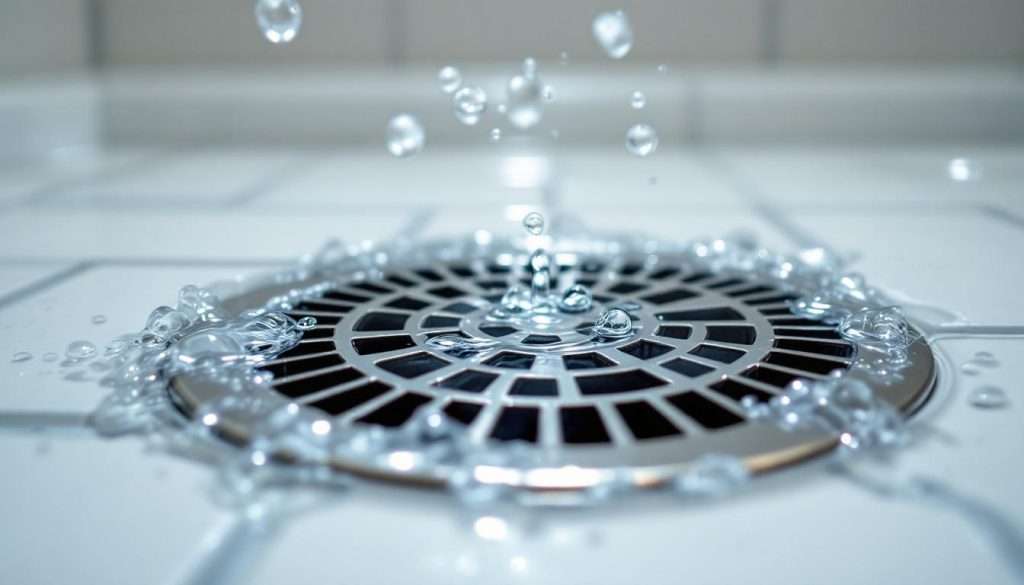
Every homeowner knows the sinking feeling of a toilet that won’t flush or a sink that drains slower than a snail. But how do you know if it’s just a hairball in the u-bend or a major blockage in your main sewer line?
A main sewer line clog is a serious plumbing emergency. Unlike a localized clog that affects just one fixture, a main line blockage stops wastewater from leaving your house entirely. If ignored, it can send raw sewage backing up into your bathtubs and showers, causing thousands of dollars in water damage and health hazards.
At Western Rooter, we help homeowners in Arcadia, Glendora, and the San Gabriel Valley distinguish between a quick DIY fix and a problem that needs professional equipment. If you notice these warning signs, put down the plunger and read on.
1. Multiple Fixtures Are Clogged at Once
The biggest giveaway of a main sewer line issue is that it affects more than one drain simultaneously.
Your home’s plumbing connects like a tree. All the small “branches” (sinks, toilets, showers) feed into one large “trunk” (the main sewer line) that leads to the city street or septic tank. If a branch is clogged, only that fixture backs up. If the trunk is clogged, everything backs up.
If your kitchen sink is clogged but the toilet flushes fine, the problem is likely in the kitchen pipe. However, if you flush the toilet and water comes up in the shower, or if running the washing machine causes the toilet to gurgle/overflow, you have a blockage in the main line. The water has nowhere to go, so it seeks the lowest release point in the house.
2. Water Backs Up in Strange Places
When your main sewer line is blocked, the wastewater trapped in the pipes eventually reverses course. Because gravity isn’t enough to push past the blockage, the water fills the pipe until it finds an exit. You might notice:
- Shower backup: Flushing the toilet forces water up through the shower drain. This happens because the shower drain is typically lower than the toilet bowl.
- Floor drain overflow: If you have a basement, garage, or laundry room with a floor drain, check there first. It’s often the first place sewage appears.
- Washing machine reaction: Using the washer pumps a large volume of water quickly. If it causes the toilet to overflow or specific sinks to back up, the main line cannot handle the volume.
3. Gurgling Sounds From Your Drains
Your plumbing system relies on air pressure to move water efficiently. Vents on your roof allow air to enter the system so water can flow smoothly (like putting a second hole in a juice can). When a clog blocks the pipe, air gets trapped and bubbles back up through the water.
If you hear a distinct “glug-glug-glug” sound from the toilet simply by running the bathroom sink, that’s air escaping from a blocked main line. It’s a phantom flushing sound that usually precedes a full backup. Do not ignore these “talking” drains—they are your early warning system.
4. Sewage Smells in Your Home or Yard
A healthy plumbing system uses water traps (P-traps) to keep sewer gases out of your home. If a clog blocks the line, the pressure can force those gases back up through your drains, bypassing the water seal.
If you catch a whiff of rotten eggs (sulfur) coming from your bathroom drains, utility sink, or even a wet patch in your front yard, you likely have a crack or clog in the main sewer pipe. In older homes across the San Gabriel Valley, tree roots invading clay pipes are a common culprit. If you smell sewage outside near the sidewalk or cleanout, the break may be underground.
5. Slow Drains Everywhere
A single slow drain usually means hair, soap scum, or grease in that specific trap. But if *every* drain in the house seems sluggish—the toilet flushes weakly, the shower pools around your ankles, and the kitchen sink takes forever to empty—the restriction is further down the line. This gradual slowing is a classic sign of tree root intrusion, where roots grow into the pipe over months, slowly choking off the flow until it stops completely.
DIY vs. Professional: What Can You Do?
Before you panic, there is one DIY method to try: checking the cleanout.
Most homes have a sewer cleanout—a capped pipe located outside (usually a white or black pipe 3-4 inches wide sticking out of the ground near the house) or in the basement.
1. Locate the cleanout. Check near the foundation or in the front planter beds.
2. Carefully unscrew the cap. Stand back and wear boots—if the line is pressurized, sewage might flow out immediately.
3. Observe the flow. If water flows out immediately, the clog is between the cleanout and the street. If no water flows out but the house is backed up, the clog is trapped between the cleanout and your house.
Warning: Do NOT use chemical drain cleaners for a main line clog.
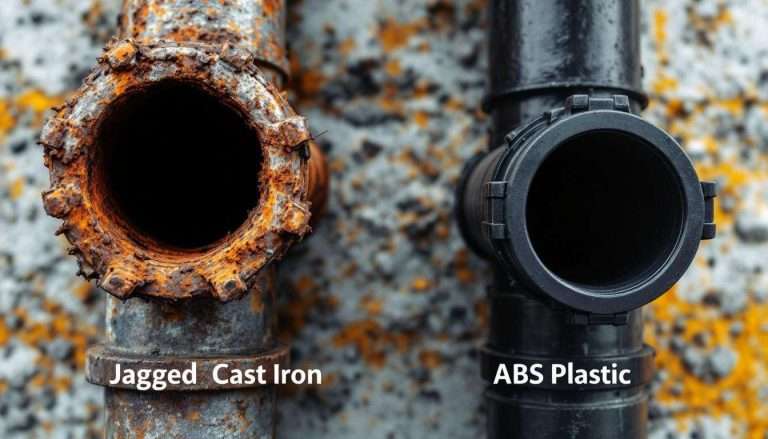
They are rarely strong enough to clear a blockage this size (often roots or hardened grease) and the harsh acid will simply sit in the pipe, eating away at the pipe material (especially old cast iron) until a plumber arrives to drain it. This creates a safety hazard for our technicians and damages your infrastructure.
When to Call a Professional
If you’ve established the symptoms above, a plunger or handheld snake isn’t enough. You need heavy-duty equipment. Professional plumbers use two primary methods to diagnose and fix main lines:
Video Camera Inspection
We stop guessing. We run a specialized fiber-optic camera down the sewer line to see exactly what is blocking it. Is it a ball of “flushable” wipes? A collapse in the pipe? Or expansive tree roots? Seeing the problem allows us to choose the right tool.
Hydro Jetting vs. Cabling
- Cabling (Snaking): Good for breaking through solid objects or pulling back wipes. However, snakes often just punch a hole through roots, allowing them to grow right back.
- Hydro Jetting: For tough blocks like roots and grease, we recommend hydro jetting. This uses high-pressure water (up to 4000 PSI) to scour the pipe walls clean, cutting roots down to the pipe surface and flushing away grease.
Long-Term Solution: Trenchless Sewer Repair
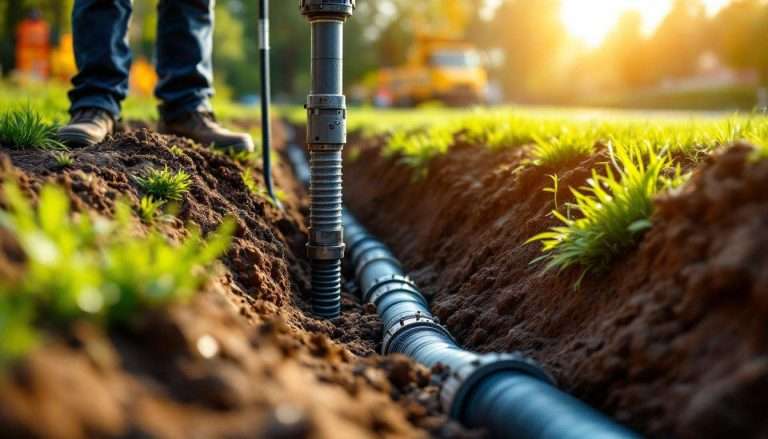
If our camera inspection reveals that your main line is cracked, collapsed, or heavily infested with roots throughout, cleaning it might only be a temporary fix. In the past, this meant digging up your entire front lawn or driveway to replace the pipe.
Today, we use trenchless sewer repair methods like pipe lining (CIPP). This allows us to insert an epoxy liner into the old pipe, which hardens into a brand-new, root-proof pipe underground—without destroying your landscaping.
Don’t Wait for the Backup
If your drains are “talking” to you with gurgling sounds or slowing down across the whole house, don’t wait for sewage to hit your bathroom floor. These signs never get better on their own.
Western Rooter provides fast, honest diagnostics for main line issues across the San Gabriel Valley. Whether you need a simple clearing or a permanent repair, we have the specialized equipment to get it done right.
Contact us today to schedule a camera inspection and get your pipes flowing freely again.