Water is a powerful force. When contained in pipes, it is essential for life. When it escapes under your home’s foundation, it becomes a silent destroyer. In Southern California, “slab leaks” are a common and costly plague for homeowners.
A slab leak is a pinhole leak in the copper water lines running beneath your concrete foundation. Because they are hidden, they can run for months undetected, eroding soil, cracking foundations, and spiking water bills. This guide will help you spot the signs early.
Is It a Leak? Calculating the Water Loss
The first step in leak detection is confirming you actually have a leak.
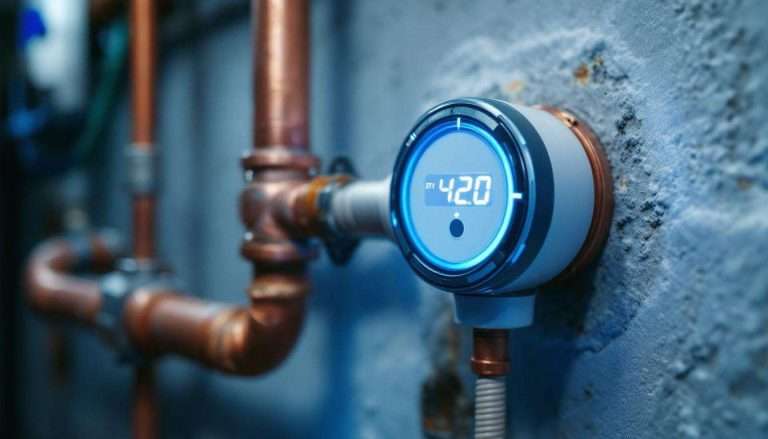
The Water Meter Test:
1. Turn off every water source in the house (faucets, dishwasher, washing machine).
2. Locate your water meter (usually near the sidewalk).
3. Watch the small red triangle or the sweep hand.
4. If it is moving while everything is off, water is escaping somewhere.
The Math of Leaks:
A leak the size of a pinhead can waste 360,000 gallons of year. It’s not just water loss; it’s money drain. Insurance companies often deny claims for “gradual damage,” so catching it fast is critical for coverage.
Signs of a Slab Leak (Foundation Leak)
Since you cannot see the pipes, you have to look for secondary clues.
1. Warm Spots on the Floor:
Hot water lines are most susceptible to slab leaks due to expansion and contraction. Since heat rises, a leak under the slab will often heat up a specific spot on your tile, linoleum, or hardwood floor. If you walk barefoot and feel a warm patch, that is a major red flag.
2. The Sound of Running Water:
If your house is deadly silent, but you hear a faint “hiss” or the sound of water rushing through pipes, checking your walls and floors is necessary.
3. Moisture and Mildew:
Damp carpet pads, buckling wood floors, or inexplicable mold growth on baseboards are signs that water is wicking up from below.
See our detailed guide on hidden slab leak signs for more symptoms.
The Professional Detection Process
Finding the leak is science, not guesswork. At Western Rooter, we use non-invasive technology to pinpoint the exact location of the break.
* Acoustic Listening: We use sensitive ground microphones that amplify the sound of the leak through the concrete.
* Thermal Imaging: Infrared cameras allow us to see temperature differences in the floor, highlighting the hot water plume.
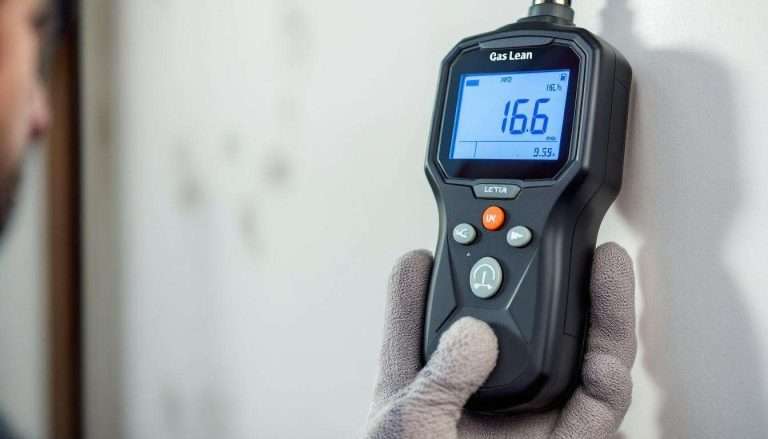
* Gas Tracing: For difficult leaks, we inject a harmless gas into the line and use a “sniffer” to detect where it escapes.
Repair Options: Jackhammer vs. Reroute
Once located, you typically have two options:
1. Direct Repair (Spot Repair):
This involves jackhammering through the floor at the exact spot of the leak to patch the pipe.
* *Pros:* Cheaper if the flooring is easily replaced (like carpet).
* *Cons:* Dusty, messy, and leaves a patch in your expensive tile or wood floor.
2. Re-route (PEX Repipe):
Instead of digging, we abandon the bad line under the slab. We run a new, flexible PEX line through the walls and attic to bypass the problem area entirely.
* *Pros:* No damage to floors, updates plumbing to modern materials.
* *Cons:* Slightly more drywall patching required.
Re-piping is often the smarter long-term investment, as copper pipes that fail once often fail again elsewhere.
What to Do While Waiting for the Plumber
If you suspect a slab leak:
1. Shut Off the Water: Turn off the main shut-off valve to stop the damage.
2. Clear the Area: Move furniture and rugs away from wet spots to prevent mold.
3. Document: Take photos for your insurance adjuster.
4. Call the Pros: Contact our 24/7 leak detection team.
Don’t let a hidden leak compromise your home’s structural integrity. A plumbing inspection can give you peace of mind and catch small issues before they become disasters.