A toilet wax ring is the seal between the bottom of your toilet and the drain flange in the floor. When it fails, you get water leaking at the base, sewer odors, or both. Replacing a wax ring is one of the most common toilet repairs, and most homeowners can handle it, but there are situations where calling a plumber saves you from a bigger problem.
What Does a Toilet Wax Ring Do?
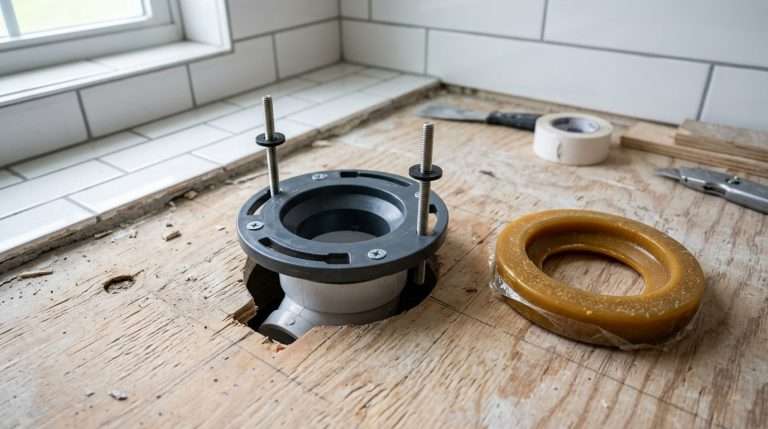
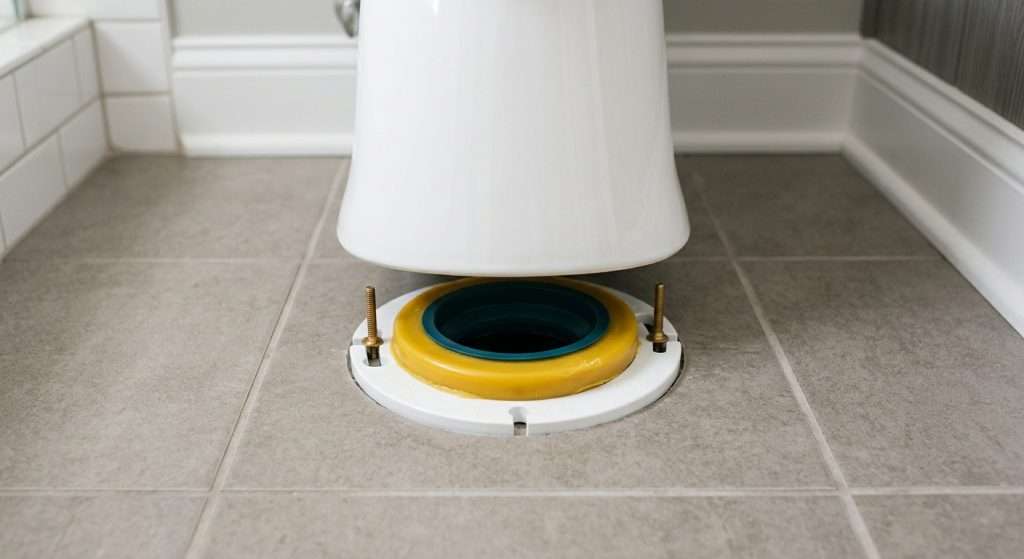
The wax ring sits on top of the toilet flange (the pipe fitting bolted to the floor) and forms a watertight, gas-tight seal when the toilet is set down on it. Every flush pushes water and waste through that seal and into your drain line. Without it, wastewater would seep out around the base, and sewer gas would vent into your bathroom.
Wax rings are soft and pliable at room temperature. The weight of the toilet compresses the ring into a custom seal against the flange and the toilet’s horn (the outlet on the bottom of the bowl). Once compressed, a wax ring doesn’t bounce back, so you need a new one every time you remove the toilet.
How Do You Know Your Wax Ring Is Failing?
A bad wax ring usually announces itself in one of a few ways:
Water pooling around the toilet base. If water appears at the base after flushing, and it’s not condensation on the tank, the wax seal has likely broken. Check for other leak sources first. Condensation, a cracked tank, or a loose supply line can mimic a wax ring failure. One way to confirm: dry the floor, flush several times, and watch where the water appears. If it seeps from under the toilet, the wax ring is the most likely culprit.
Sewer smell in the bathroom. A failing wax ring lets sewer gas bypass the seal. If you’re getting an intermittent sewage smell in your house and you’ve ruled out dry P-traps, the wax ring is worth checking.
Toilet rocks or shifts. A toilet that moves when you sit on it may have a broken flange or loose bolts, but the movement itself can crack or unseat the wax ring over time. If the toilet rocks, fixing the stability issue and replacing the wax ring at the same time makes sense.
Staining or soft spots on the ceiling below. For second-floor bathrooms, a failed wax ring can send water into the subfloor and eventually show up as a stain or soft spot on the ceiling underneath. If you notice that, don’t wait. Water damage gets expensive fast.
These symptoms overlap with other common toilet problems, so ruling out simpler causes first (loose bolts, supply line drip, condensation) will save you from pulling the toilet unnecessarily.
Can You Replace a Toilet Wax Ring Yourself?
Yes, if you’re comfortable lifting a toilet (40–80 lbs depending on the model) and you have basic tools. The job takes most homeowners 30–60 minutes.
Tools and Materials
- New wax ring (standard or extra-thick, depending on flange height)
- Adjustable wrench
- Putty knife or scraper
- Towels and a bucket
- New closet bolts (replace them while you’re there; they’re a few dollars)
- Rubber gloves
Step-by-Step Overview
- Shut off the water supply valve behind the toilet. Flush and hold the handle to drain the tank. Sponge out remaining water from the tank and bowl.
- Disconnect the supply line from the tank.
- Remove the bolt caps at the base and unscrew the closet bolts (the two bolts anchoring the toilet to the flange).
- Lift the toilet straight up and set it on a towel or cardboard nearby. Stuff a rag into the open drain to block sewer gas while you work.
- Scrape the old wax off the flange and the bottom of the toilet with a putty knife. Inspect the flange for cracks or damage. If the flange is broken, that’s a separate repair — see our guide to toilet flange repair.
- Press the new wax ring onto the toilet horn (bottom of the bowl), wax side down. Some plumbers prefer to place it on the flange — either works, but placing it on the toilet gives you better alignment control.
- Remove the rag from the drain. Lift the toilet and lower it straight onto the flange bolts. Press down firmly with your body weight — don’t rock it side to side, which can deform the wax unevenly.
- Thread the nuts onto the closet bolts and tighten evenly, alternating sides. Snug is enough; overtightening can crack the porcelain.
- Reconnect the supply line, turn the water back on, and flush several times. Check the base for leaks.
If you see no water after four or five flushes, the seal is good.
Wax Ring vs Wax-Free Toilet Seal — Which Should You Use?
Wax rings have been the standard for decades. They’re cheap ($2–8), reliable, and form a custom seal. They’re also messy, single-use, and can fail if the toilet shifts.
Wax-free seals (rubber or foam gaskets) have gained popularity. They’re reusable if you need to pull the toilet again, cleaner to install, and more forgiving of slight flange-height variations. They cost $8–15.
When wax works better: Standard flange height (flush with or slightly below the finished floor), toilet that doesn’t need to be pulled often, and you want the cheapest reliable option.
When wax-free makes sense: Flange sits above the floor, you’re doing other work that might require pulling the toilet again soon, or the flange isn’t perfectly level.
Both seal fine when installed correctly. Most plumbers still default to wax for routine jobs because of the proven track record, but neither is a wrong choice.
How Much Does Wax Ring Replacement Cost?
DIY: $3–15 for the wax ring plus a few dollars for new bolts. Under $20 total.
Professional: Expect $150–$300 in the Los Angeles and San Gabriel Valley area for a straightforward wax ring replacement. The part itself is minimal. Most of the cost is labor (removing the toilet, prepping the flange, resetting). If the plumber finds a damaged flange, the cost goes up because the flange needs repair or replacement first.
The price is worth it when you’re not confident lifting the toilet, when the flange looks questionable, or when a second-floor bathroom means a bad seal means ceiling damage below.
What Happens If You Don’t Replace a Bad Wax Ring?
A leaking wax ring won’t fix itself. Over time:
- Subfloor damage. Water seeping through the flange opening softens plywood and particleboard. On a ground floor, this can mean rot. On an upper floor, it can mean the ceiling below starts sagging.
- Mold growth. Moisture trapped under a toilet creates ideal conditions for mold in the subfloor and surrounding walls.
- Sewer gas exposure. Sewer gas contains hydrogen sulfide and methane. Small amounts cause headaches and odor; prolonged exposure in enclosed bathrooms is a health concern.
- Higher repair costs. A $5 wax ring replacement today can prevent a $1,000+ subfloor repair later. If you can find water leaks early, the fix stays simple.
When to Call a Plumber Instead of DIY
Replace the wax ring yourself if the flange is intact, the floor is solid, and you can lift the toilet. Call a professional when:
- The flange is cracked, rusted, or sits too low. A flange that’s more than ¼ inch below the finished floor needs a flange extender or replacement, and that’s a more involved job.
- The subfloor around the toilet feels soft or spongy. Water damage has already spread, and you need to assess the structure before resetting the toilet.
- The toilet is on the second floor and you want zero risk of a botched seal causing ceiling damage below.
- You’ve replaced the wax ring once and it’s leaking again. Repeat failures usually point to a flange or alignment issue that needs diagnosis.
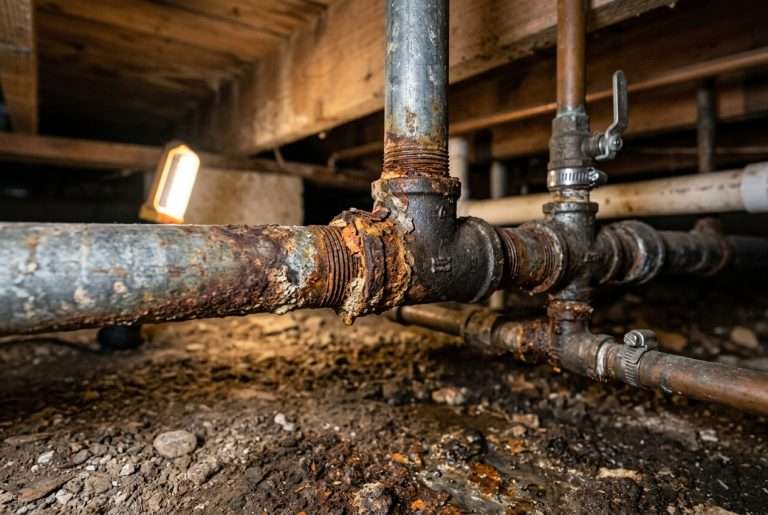
Older homes in the San Gabriel Valley often have cast-iron flanges that corrode over time. If you pull the toilet and see heavy rust or a crumbling flange, stop and call a plumber rather than trying to seat a new wax ring on a bad foundation.
If you need help with a toilet wax ring replacement — or you’re not sure what’s causing the leak — call Western Rooter & Plumbing at (626) 448-6455 or schedule service online through our website.