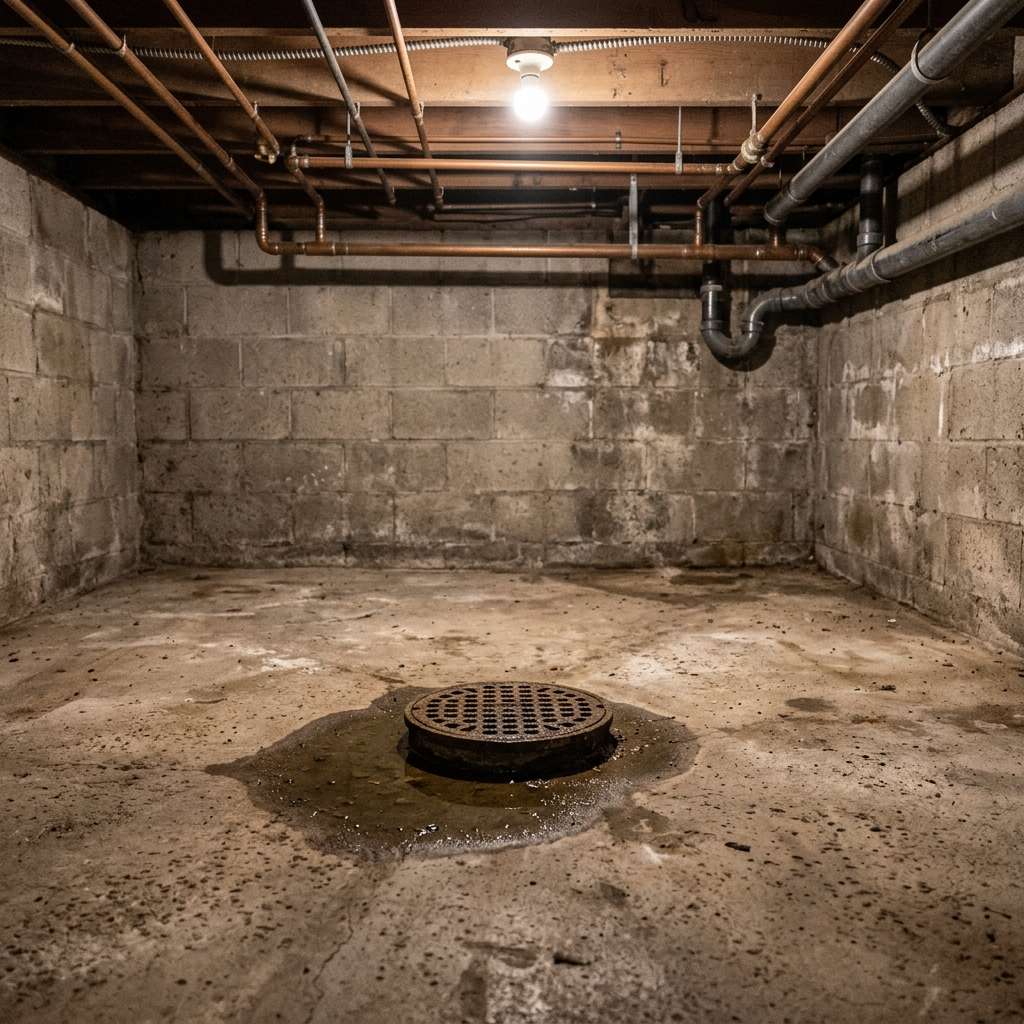
Sewage backing up into a basement is a health hazard and a plumbing emergency. If you’re dealing with it right now, stop using all water in the house, keep everyone out of the affected area, open windows or run fans for ventilation, and call a plumber. The next steps depend on how much sewage came in and what caused it.
What Causes Sewage to Back Up Into a Basement?
Most basement sewage backups trace back to the main sewer line. The most common causes:
- Tree root intrusion. Roots grow into pipe joints and crack older clay or cast iron lines. Once inside, they catch grease and debris and form blockages.
- Grease and solid buildup. Cooking grease, “flushable” wipes, and feminine products don’t break down in sewer lines. They accumulate over years until the pipe narrows enough to back up.
- A sewer line belly. When a section of pipe sags due to soil shifting, waste pools in the low spot instead of flowing to the city main. This is common in older San Gabriel Valley neighborhoods where the original clay pipes have settled over decades.
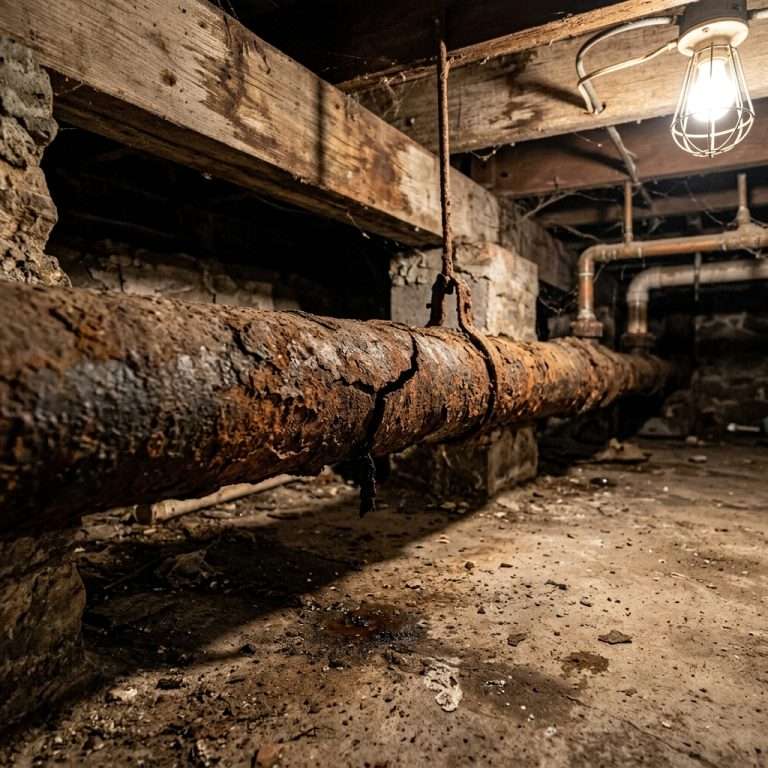
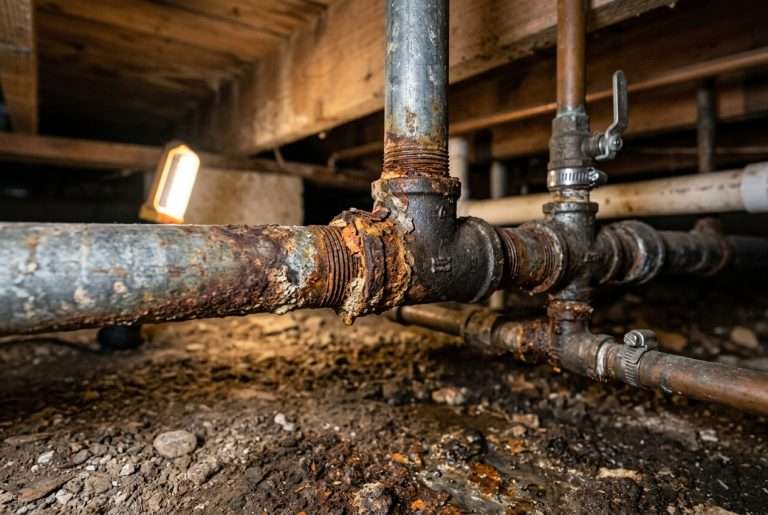
- Collapsed or deteriorated pipe. Cast iron sewer lines in Southern California homes built before the 1970s eventually corrode through. A partial collapse restricts flow and causes backups.
- City sewer overload. During heavy storms, municipal sewers can exceed capacity. When that happens, water pushes back through your lateral line and into the lowest drain in the house, usually a basement floor drain.
- Missing or failed backwater valve. A backwater valve is a one-way flap that lets sewage flow out but blocks it from flowing back in. Many older homes don’t have one. If yours failed or was never installed, there’s nothing stopping a reverse flow.
Is Sewage in Your Basement Dangerous?
Yes. Raw sewage carries bacteria (including E. coli and salmonella), viruses, and parasites. Direct skin contact, inhaling contaminated air, or touching surfaces that sewage has reached can cause gastrointestinal illness, skin infections, and respiratory problems.
Sewer gases are the other concern. Hydrogen sulfide and methane build up in enclosed spaces. At low concentrations you’ll smell rotten eggs. At higher levels, hydrogen sulfide causes headaches, dizziness, and nausea. Prolonged exposure in an unventilated space can be life-threatening.
Mold is the slower risk. Standing water and damp building materials can develop mold growth within 24 to 48 hours. Drywall, carpet, carpet padding, and exposed wood framing are all vulnerable. The longer the sewage sits, the more likely you’ll need to tear out and replace materials rather than just cleaning them.
Children, elderly adults, and anyone with a weakened immune system are at higher risk from sewage exposure. If anyone in the household falls into those categories, keep them out of the house until cleanup is complete.
What to Do Immediately After a Sewage Backup
- Stop using water. Don’t flush toilets, run sinks, or use the washing machine. Every gallon you send down the drain can push more sewage into the basement.
- Turn off the HVAC system. If your furnace or air handler is in the basement, shut it off. Running it can spread contaminated air through the house.
- Don’t touch electrical. If standing water is near outlets, panels, or appliances, don’t wade in. Shut off the breaker for the basement from the main panel. If you can’t reach the panel safely, call an electrician.
- Ventilate. Open basement windows. Set up fans pointing outward if you have them. The goal is to move sewer gases out and fresh air in.
- Wear protection. If you need to enter the area: rubber boots, waterproof gloves, and an N95 mask at minimum. Goggles if you’ll be near splashing.
- Document everything. Take photos and video before you touch anything. Your insurance company will need this if you file a claim.
- Call a plumber. A sewer camera inspection will show exactly where and why the line is blocked. Without that, you’re guessing at the cause, and guessing means it’ll happen again.
If sewage is actively rising or covers more than a few inches of floor, leave the basement and call for professional help. That’s not a DIY situation.
How to Clean Up After a Sewage Backup
Small backups (less than an inch, hard surfaces only):
You can handle this yourself with the right precautions. Remove standing water with a wet/dry vacuum. Bag and discard anything porous that sewage touched: cardboard boxes, rugs, clothing stored on the floor. Scrub hard surfaces with a solution of one cup of bleach per gallon of water. Let everything dry completely with fans and dehumidifiers running for at least 48 hours.
Wash any exposed skin thoroughly afterward. Launder the clothes you wore separately in hot water.
Larger backups or porous materials affected:
Once sewage has soaked into carpet, drywall, insulation, or wood framing, cleanup goes beyond bleach and a mop. A water damage restoration company has the extraction equipment, antimicrobial treatments, and drying systems to handle it properly. They’ll also test moisture levels in walls and subfloors to make sure nothing stays damp behind the scenes.
If you notice a sewage smell in your house days after cleanup, that usually means moisture or contamination is trapped somewhere. Don’t ignore it. Residual sewage in wall cavities or under flooring will grow mold.
Does Insurance Cover Sewage Backup in a Basement?
Standard homeowners insurance policies typically exclude sewer and drain backup damage. Most insurers offer a sewer backup endorsement (sometimes called a rider) that you can add to your policy. It usually costs between $40 and $70 per year, and coverage limits vary. Some cap at $5,000; others go up to $25,000.
A few things to know:
- If the backup was caused by a city sewer overflow, your municipality may share liability. Contact your city’s public works department to report it and ask about their claims process.
- If you file an insurance claim, the photos and video you took before cleanup are critical. Document the water level, damaged property, and any visible contamination.
- Keep receipts for everything: plumber invoices, cleanup costs, replacement materials, temporary lodging if you had to leave.
- Read your policy carefully. Some endorsements cover cleanup costs but not sewer line repair. Others are the reverse.
If you don’t have a sewer backup endorsement, call your insurer and ask about adding one. It’s one of the cheapest add-ons for the amount of damage it can cover.
How to Prevent Sewage Backup in Your Basement
Install a backwater valve. This is the best thing you can do to prevent a backup. A backwater valve sits on your sewer lateral line and automatically closes if sewage starts flowing backward. In some Southern California cities, new construction requires one, but most older homes don’t have them.
Get your sewer line inspected. A camera inspection every two to three years catches tree roots, bellies, and deterioration before they cause a full backup. If you’ve had one backup already, an inspection should be your next call after the cleanup. Don’t put it off.
Schedule regular sewer cleaning. If your home has a history of root intrusion or grease buildup, preventive hydro jetting every one to two years keeps the line clear. It’s cheaper than emergency service after a backup.
Know what not to flush. Wipes (even ones labeled “flushable”), paper towels, feminine products, and cooking grease all contribute to sewer clogs. Grease solidifies inside the pipe and wipes don’t break down the way toilet paper does. Pour cooled grease into a container and throw it in the trash.
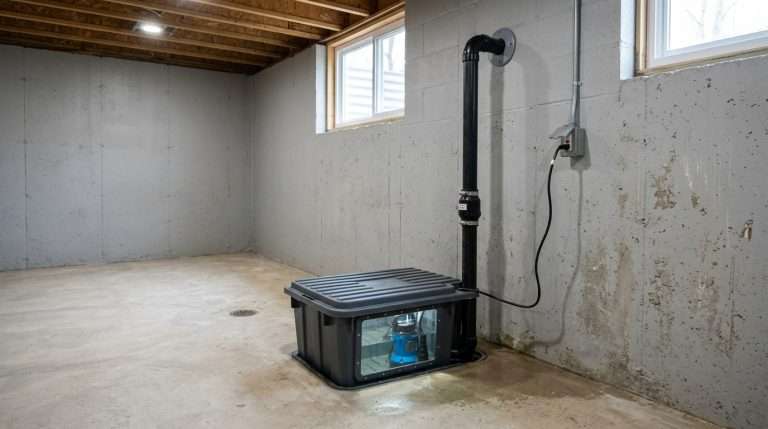
Consider a sump pump with battery backup. If your basement is below the sewer line level, a sump pump handles groundwater intrusion. A battery backup keeps it running during power outages. Power outages tend to happen during the same heavy storms that overload municipal sewers.
You can also read more about how to prevent sewage backups in our detailed prevention guide.
When DIY Isn’t Enough
A sewage backup that covers more than a thin layer of water, has reached porous building materials, or keeps recurring is beyond bucket-and-bleach territory. Sewage contains pathogens that survive on surfaces for days. Incomplete cleanup puts your household at ongoing health risk, and hidden moisture behind walls leads to mold problems that cost more to fix the longer they go unaddressed.
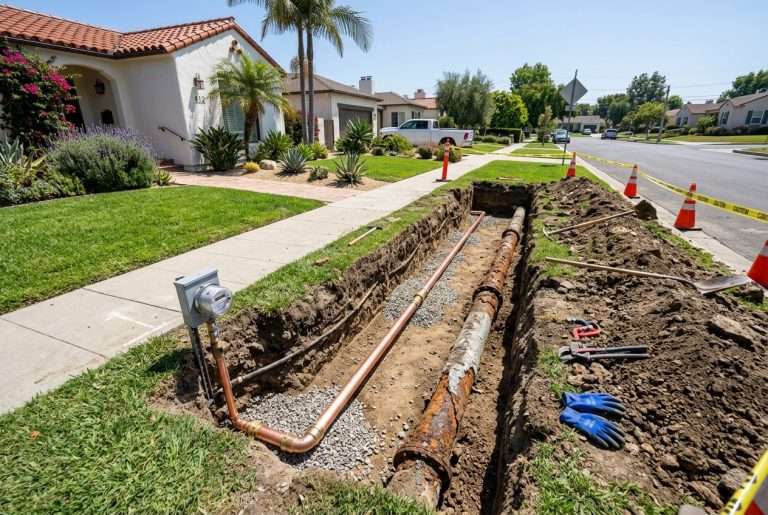
If your home has older cast iron or clay sewer pipes and you haven’t had them inspected, the backup is likely a symptom of a larger problem. A camera inspection tells you exactly what’s going on, and whether you need a spot repair, hydro jetting, or a full line replacement.
If you need help with a sewage backup or want to prevent one, call Western Rooter & Plumbing at (626) 448-6455 or schedule service online through our website.