A home remodel or addition represents one of the biggest investments a homeowner can make. While most people focus on design choices, layout changes, and aesthetic upgrades, the plumbing system often gets overlooked until problems arise. This oversight can lead to expensive change orders, project delays, and serious code violations that surface during inspections.
Proper plumbing preparation makes the difference between a smooth remodel and a stressful ordeal. Homes in the San Gabriel Valley, Pasadena, and Arcadia frequently contain aging infrastructure that doesn’t meet current code requirements or can’t handle the demands of expanded living space. A kitchen addition might seem straightforward until the inspection reveals galvanized pipes that need replacement throughout the house. A bathroom remodel can quickly escalate when the water heater proves too small for the new fixtures.
Smart homeowners address plumbing concerns before demolition begins. This approach prevents costly surprises, ensures code compliance, and creates a solid foundation for quality work. The following guide walks through the essential steps to prepare plumbing for a major remodel, helping homeowners ask the right questions and avoid the most common pitfalls that derail renovation projects.
Schedule a Pre-Remodel Plumbing Assessment
Before signing contracts or finalizing designs, homeowners should schedule a comprehensive plumbing inspection with a licensed professional. This assessment reveals the current condition of pipes, fixtures, water pressure, drainage systems, and compliance with current building codes. A qualified plumber can spot problems that won’t be obvious until walls are opened and work has already begun.
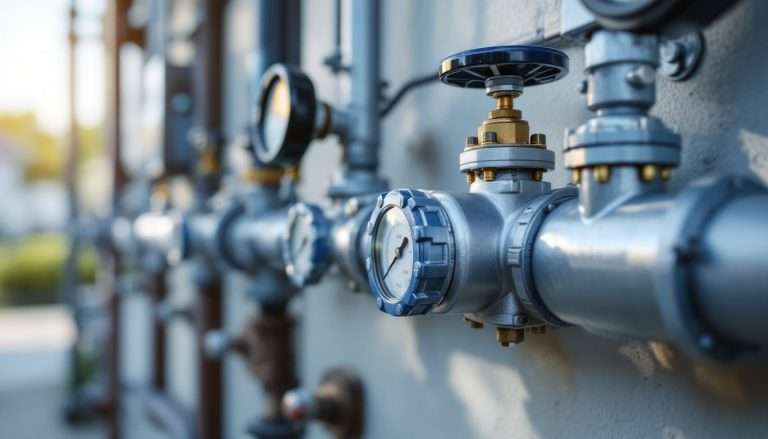
During the assessment, the plumber examines several critical areas. They check supply lines for corrosion, leaks, and adequate sizing. They inspect drain lines for proper slope, venting, and capacity. They evaluate the water heater’s age, condition, and whether it can handle additional fixtures. They also review the location of shut-off valves, gas lines, and the main water supply connection.
This upfront investment typically costs a few hundred dollars but can save thousands in unexpected expenses later. The assessment provides accurate information for budgeting and helps the contractor understand what they’ll encounter once work begins. For homes built before 1980, this step becomes even more valuable since building codes and plumbing materials have changed significantly over the decades.
Many residential plumbing contractors in the San Gabriel Valley offer pre-remodel consultations as a standard service. They can provide written reports documenting current conditions, recommended upgrades, and cost estimates for necessary work. This documentation also helps during the permitting process and provides a clear baseline if disputes arise during construction.
Understand Common Plumbing Issues in Older San Gabriel Valley Homes
Homes in Pasadena, Arcadia, and throughout the San Gabriel Valley often contain plumbing systems that reflect construction practices from decades past. These older systems create specific challenges during remodels that homeowners should anticipate and budget for accordingly.
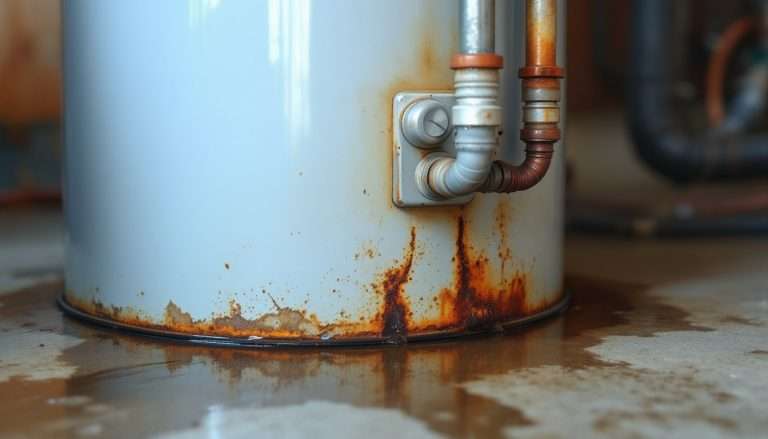
Galvanized steel pipes rank among the most common problems. Many homes built before 1970 used galvanized pipes for water supply lines. These pipes corrode from the inside out, reducing water pressure and causing discolored water. Once a remodel opens walls and reveals galvanized pipes, most building inspectors require replacement before approving the project. What started as a kitchen remodel can quickly expand to include copper repiping throughout the entire house.
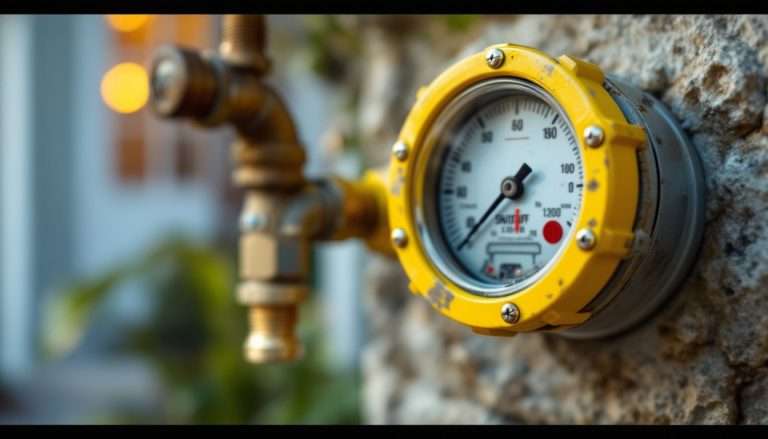
Undersized supply lines present another frequent issue. Older homes were built with fewer bathrooms and appliances than modern households use. The original half-inch supply lines that adequately served a single bathroom often can’t handle the demand when homeowners add a master suite with dual sinks, a soaking tub, and a multi-head shower. Upgrading to three-quarter-inch lines becomes necessary but requires running new pipe through existing walls and floors.
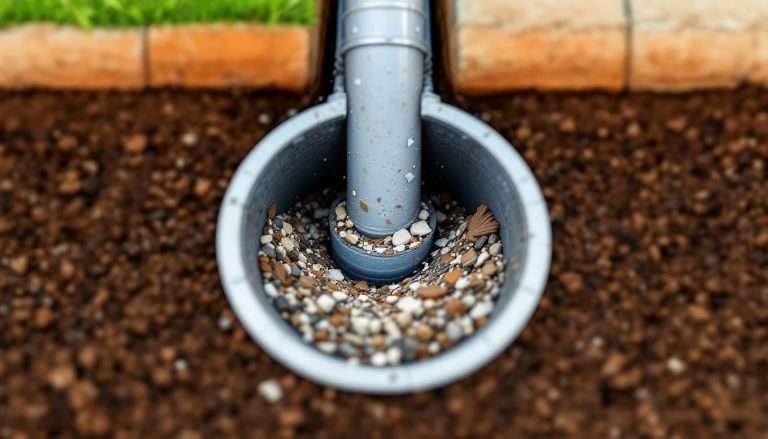
Outdated venting systems also surface during remodels. Plumbing codes regarding drain-waste-vent systems have evolved substantially. Older homes might have venting that doesn’t meet current standards, and adding new fixtures often triggers requirements to bring the entire system up to code. This can mean cutting through roofs, rerouting pipes behind walls, and extensive work that wasn’t part of the original project scope.
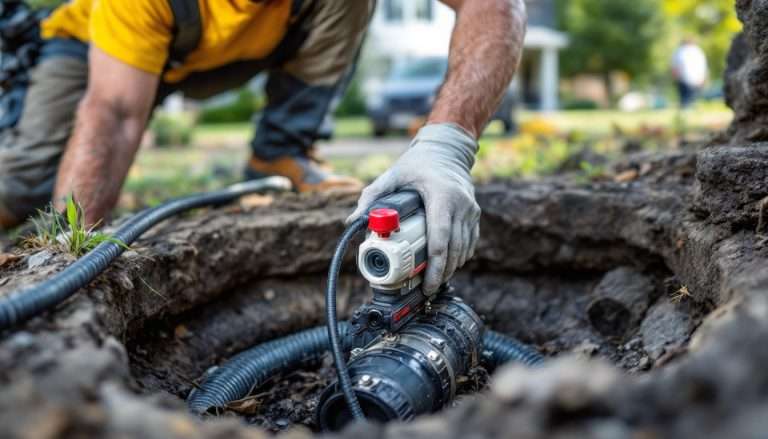
Cast iron drain pipes, common in homes from the 1940s through 1970s, deteriorate over time and often need replacement during major remodels. Clay sewer lines can crack and allow root intrusion. Lead pipes, while rare, still exist in some older properties and must be removed when discovered. Each of these conditions adds cost and complexity to the plumbing remodel but can’t be ignored without risking failed inspections and future problems.
Confirm Permit Requirements Before Work Begins
Understanding permit requirements prevents project delays and ensures compliance with local building codes. Most cities in the San Gabriel Valley require permits for any plumbing work beyond simple fixture replacement. Remodels that add bathrooms, relocate kitchens, or extend supply and drain lines definitely need permits.
The permit process serves several important purposes. It ensures work meets current safety standards and building codes. It creates an official record of improvements that can benefit future home sales. It triggers inspections at critical stages, catching potential problems before they become hidden behind finished walls. Work performed without proper permits can result in fines, requirements to open walls for inspection, and complications when selling the home.
Permit requirements vary between municipalities. Pasadena has different procedures than Arcadia or the unincorporated areas of Los Angeles County. Some cities require homeowners to hire licensed contractors for certain types of work. Others mandate specific inspection points during the project. Many require engineered drawings for major plumbing changes or additions that affect the home’s drain-waste-vent system.
The permit process typically requires submitting plans showing the scope of plumbing work, existing conditions, and proposed changes. Plans must demonstrate compliance with the California Plumbing Code and local amendments. Building departments review these plans before issuing permits, often requesting revisions to ensure code compliance. This review process can take several weeks, so homeowners should factor this timeline into project planning.
Licensed plumbing contractors typically handle permit applications as part of their service. They understand local requirements, maintain relationships with building departments, and know how to prepare acceptable plans. Attempting to navigate the permit process without professional guidance often leads to rejected applications, delays, and incorrect installations that fail inspection.
Plan Your Plumbing Rough-In Early
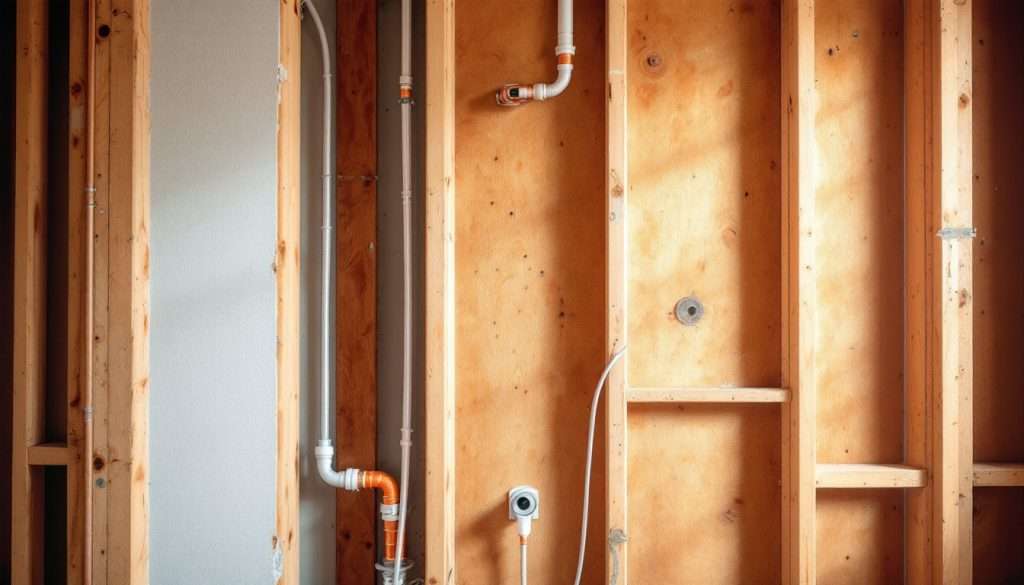
Rough-in planning determines where pipes, drains, and fixtures will be located before walls close up. This phase of the plumbing remodel sets the foundation for everything that follows. Poor rough-in planning creates problems that become expensive or impossible to fix once drywall is installed and tile is laid.
Rough-in work should happen in close coordination between the homeowner, general contractor, and plumber. Fixture locations need to be marked precisely. Supply line sizing must match the demands of new appliances and fixtures. Drain slopes must meet code requirements. Vent pipes need clear paths to the roof or existing vent stacks. Shut-off valves should be accessible for future maintenance.
Homeowners should consider future needs during rough-in planning. Adding extra supply lines or drainage rough-ins for potential future fixtures costs relatively little while walls are open but becomes prohibitively expensive later. That unfinished basement might get a bathroom someday. The garage could eventually include a utility sink. Planning for these possibilities during the initial plumbing remodel saves significant money down the road.
The rough-in stage also determines the location of appliances like dishwashers, ice makers, and washing machines. These locations must provide adequate water pressure, proper drainage, and convenient access for installation and service. Moving appliance hookups after walls are closed requires cutting into finished surfaces, creating unnecessary damage and expense.
Inspections typically occur after rough-in work is complete but before insulation and drywall installation begins. The building inspector verifies that pipe sizing, venting, and drainage meet code requirements. They check for proper slope on drain lines, secure pipe supports, and correct materials. Passing the rough-in inspection allows the project to move forward. Failed inspections require corrections and re-inspection, delaying the entire project.
Evaluate Water Heater Capacity for Your Expanded Home
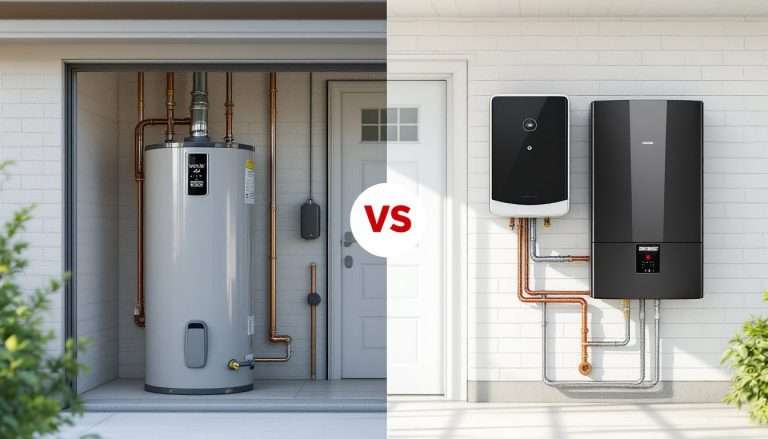
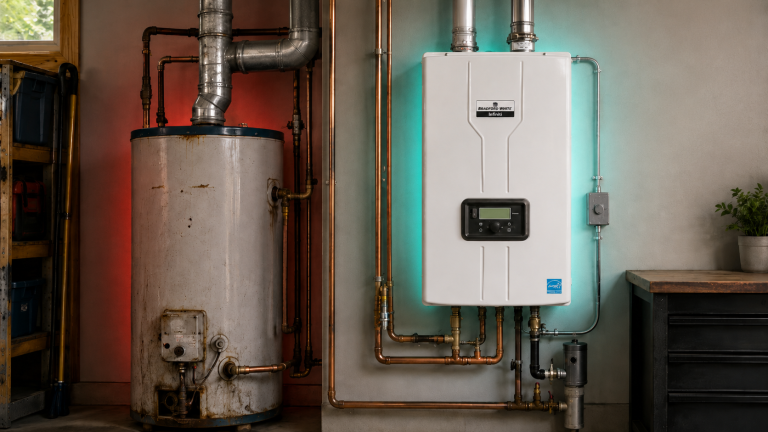
Adding square footage, bathrooms, or high-demand fixtures to a home almost always requires evaluating water heater capacity. A tankless water heater or larger tank unit might become necessary to serve the remodeled home adequately.
The existing water heater might have adequately served the original home configuration but prove insufficient for expanded needs. Adding a master bathroom with a large soaking tub and separate shower can easily double the hot water demand during peak morning hours. Multiple family members using bathrooms simultaneously can quickly deplete a standard 40-gallon tank heater.
Tankless water heaters offer advantages for many remodeling projects. They provide endless hot water capacity, take up less space, and operate more efficiently than tank units. However, they require adequate gas line capacity and proper venting. The electrical service might need upgrading for electric tankless units. Not every home can accommodate these requirements without additional infrastructure work.
Traditional tank water heaters remain the right choice for some situations. Larger tank units from 50 to 80 gallons can serve expanded homes effectively. Some homeowners install multiple water heaters to serve different zones of the house. This approach reduces pipe runs, delivers hot water faster, and provides redundancy if one unit fails.
Water heater location also deserves consideration during major remodels. Building codes require adequate clearance, proper venting, and safe access for installation and maintenance. Older water heaters in tight crawl spaces or closets might not meet current code requirements. The remodel might provide an opportunity to relocate the water heater to a more suitable location before walls close and that option disappears.
Energy efficiency standards for water heaters have changed significantly in recent years. Newer units include better insulation, more efficient burners, and improved controls. Replacing an aging water heater during a major remodel makes sense even if the old unit still functions. The improved efficiency pays back the investment over time through reduced utility bills.
Coordinate with Your Plumber Before Demolition Starts
Demolition often marks the exciting beginning of visible remodel progress, but starting demo without proper plumbing coordination creates problems that echo throughout the entire project. The plumber needs to cap supply lines, protect existing pipes, and mark the location of hidden infrastructure before walls come down.
Pre-demolition coordination prevents damage to plumbing that will remain in the home. Demolition crews might cut through pipes they can’t see or damage lines behind walls. A plumber should mark pipe locations, shut off water to affected areas, and drain supply lines that will be exposed during demo. They can also protect vulnerable pipes and fixtures that might sustain damage during construction.
Some plumbing work needs to happen before demolition begins. Relocating main shut-off valves, installing temporary water service for the rest of the home, or rerouting drain lines might be necessary to maintain water service during construction. Homeowners don’t want to discover these requirements after demolition has started and they’re left without working bathrooms or kitchen facilities.
The plumber and general contractor need to agree on the sequence of work. Some contractors prefer plumbers to complete rough-in work immediately after demolition while access is easiest. Others want framing modifications completed first to ensure the structure can accommodate new plumbing routes. Clear communication prevents delays and ensures each trade can work efficiently.
Material delivery timing also requires coordination. Fixtures, pipes, fittings, and other materials need to arrive before they’re needed but not so early that they create storage problems or risk damage on the job site. Special-order items like custom faucet and sink installation components might have long lead times that affect the project schedule.
Throughout the remodel, homeowners should maintain regular communication with their plumber and general contractor. They should attend key meetings, review progress at critical stages, and address questions promptly. This involvement helps catch potential issues early, ensures the work meets expectations, and prevents misunderstandings that can derail the project.
Budget for Unexpected Plumbing Upgrades
Even with thorough planning and professional assessment, unexpected plumbing issues surface during most major remodels. Smart homeowners include contingency funding in their budget to handle these surprises without derailing the project or forcing quality compromises.
Opening walls often reveals problems that weren’t detectable during the initial assessment. Pipes might have damage hidden behind finishes. Drain lines might have improper slopes that code requires correcting. Previous DIY work might not meet current standards. Wood framing around old plumbing might have water damage requiring structural repairs. Each discovery adds cost and potentially affects the project timeline.
Code requirements sometimes change between planning and construction. Building departments might adopt new standards or interpret existing codes differently than anticipated. An inspector might require upgrades that weren’t part of the original scope. While frustrating, these requirements exist for safety reasons and must be addressed for permit approval.
Some upgrades make practical sense even if not strictly required. Replacing old shut-off valves while walls are open costs little but prevents potential future failures. Running an extra supply line for a possible future fixture adds minimal cost now but saves substantial money later. Upgrading from half-inch to three-quarter-inch water line service to the house might not be required but improves performance significantly.
A reasonable contingency budget for plumbing typically ranges from 10 to 20 percent of the estimated plumbing costs. Older homes or projects with limited pre-planning should budget toward the higher end. This safety margin provides flexibility to address unexpected issues without requiring project delays while additional funding is secured.
Quality shouldn’t be compromised to avoid unexpected costs. Cutting corners on plumbing work creates problems that can persist for decades. Proper materials, skilled installation, and code compliance deliver long-term value that far exceeds the initial cost savings of shortcuts. Homeowners who invest in quality plumbing work during a major remodel protect their investment and avoid future headaches.
Conclusion
Preparing plumbing for a major remodel or addition requires careful planning, professional expertise, and realistic budgeting. Homeowners who invest time in upfront assessment, understand the common challenges in San Gabriel Valley homes, and coordinate closely with qualified plumbers set their projects up for success. The extra effort prevents costly change orders, ensures code compliance, and delivers a finished project that functions reliably for years to come.
The complexity of plumbing remodel work in older homes often exceeds what homeowners initially anticipate. Galvanized pipes, undersized supply lines, outdated venting systems, and evolving code requirements create challenges that require professional solutions. Attempting to minimize plumbing preparation or cut corners on this critical infrastructure almost always proves more expensive in the long run.
Western Rooter & Plumbing serves homeowners throughout the San Gabriel Valley, Pasadena, and Arcadia with comprehensive remodeling plumbing services. Our licensed professionals conduct thorough pre-remodel assessments, coordinate with contractors throughout the project, and ensure all work meets current building codes. We understand the specific challenges of older homes in this area and have the expertise to handle everything from simple fixture upgrades to complete plumbing system replacements.
Don’t let plumbing problems derail your remodel plans. Contact Western Rooter & Plumbing for a comprehensive assessment before your project begins. Our team will evaluate your existing system, identify potential issues, and provide clear recommendations and accurate pricing. Give your remodel the solid plumbing foundation it deserves.