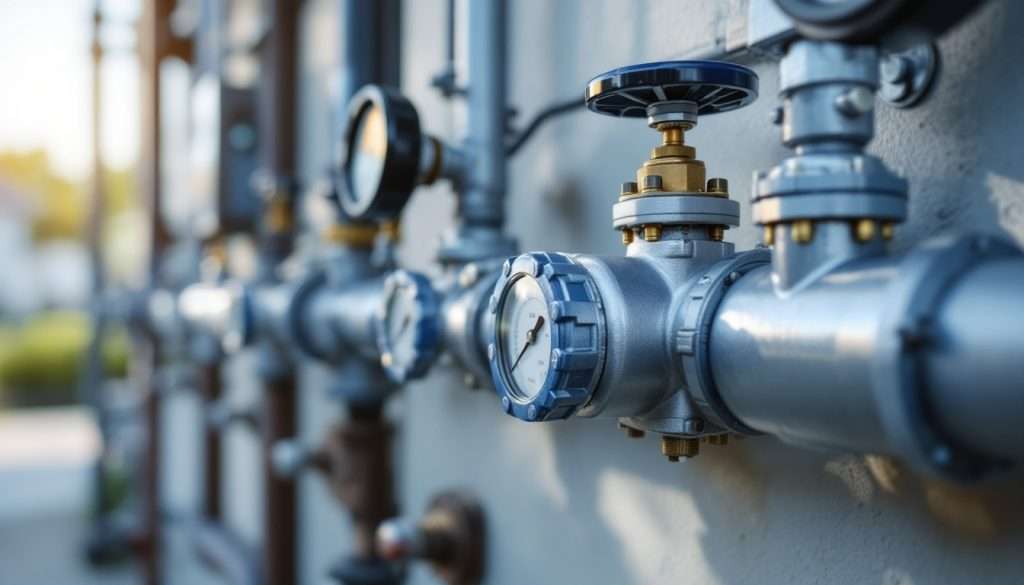
Backflow preventers protect drinking water from contamination, but these devices don’t last forever. Property owners across the San Gabriel Valley rely on these plumbing assemblies to keep their water supply safe and their buildings compliant with health codes. A failing backflow preventer creates serious risks that extend beyond plumbing issues—contaminated water can threaten public health, trigger regulatory violations, and expose property owners to substantial fines.
Most backflow preventer failures develop gradually through normal wear and tear, though sudden failures can occur from freeze damage or debris buildup. Property owners often discover problems during annual testing, but some failures produce visible warning signs like water leaks, pressure changes, or unusual sounds from the device. Understanding how these assemblies fail and what steps to take protects both property value and public health. This guide explains the most common failure modes, their consequences, and the decisions property owners face once a backflow preventer stops functioning correctly.
What Backflow Preventers Do and Why They Matter
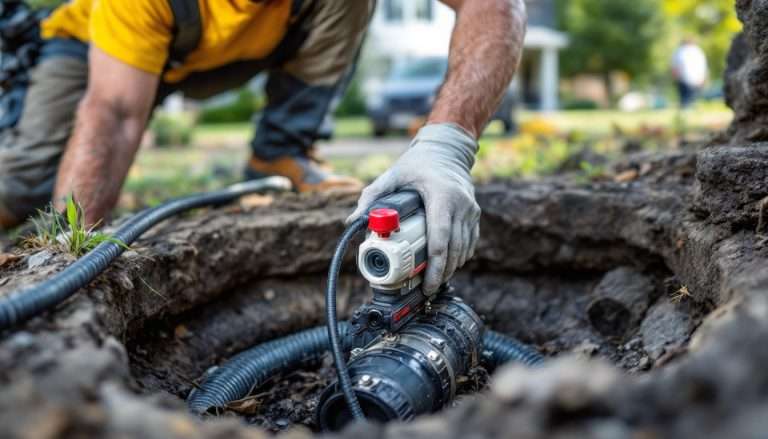
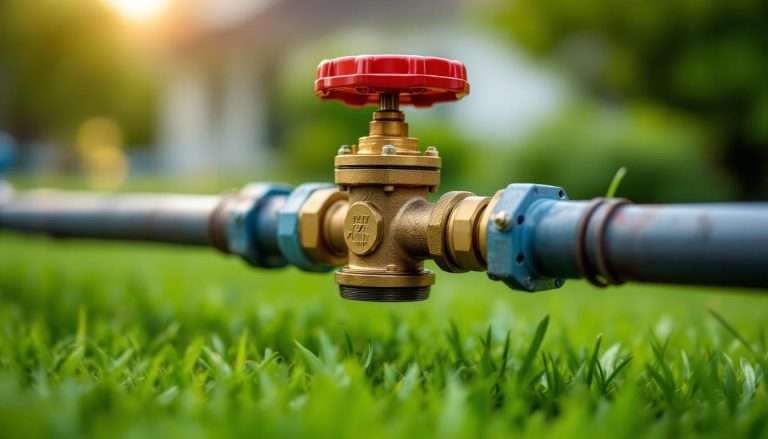
Backflow preventers serve as one-way valves that allow water to flow from the public water supply into a property while blocking any reverse flow. The devices prevent contaminated water from flowing backward into the municipal water system. This protection becomes critical at locations where water mixes with chemicals, irrigation systems, fire sprinkler systems, or other potential contaminants.
California health codes require backflow preventers on commercial properties, multi-family residential buildings, and single-family homes with specific risk factors. The San Gabriel Valley Municipal Water District and local water agencies enforce these requirements through annual backflow testing programs. Testing ensures each device functions properly and maintains the pressure differentials needed to prevent reverse flow.
Different types of backflow preventers protect different hazard levels. Reduced pressure zone assemblies (RPZ valves) provide the highest level of protection for high-hazard applications. Double check valve assemblies offer protection for lower-hazard scenarios. Pressure vacuum breakers protect irrigation systems and outdoor hose connections. Each type contains internal components that must maintain specific pressure relationships and proper sealing to function correctly.
Common Failure Mode: Check Valve Wear and Deterioration
Check valves form the primary defense mechanism in backflow preventers. These internal components seal shut when water attempts to flow backward. Over time, the rubber seals and springs inside check valves deteriorate from constant water pressure and mineral deposits. The valves may develop small leaks that gradually worsen or fail completely and allow unrestricted backflow.
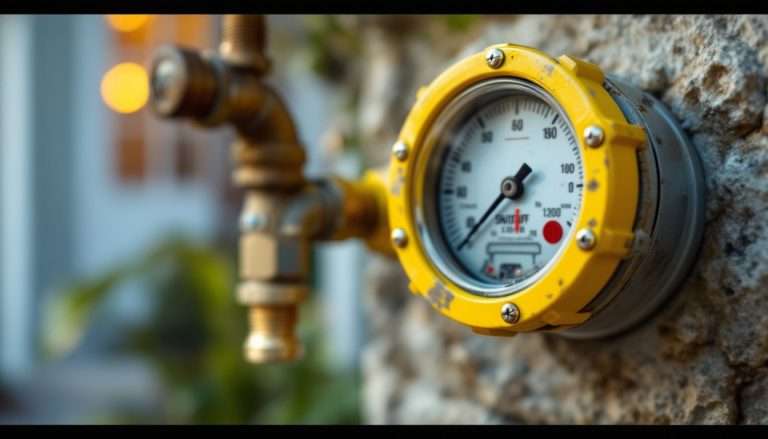
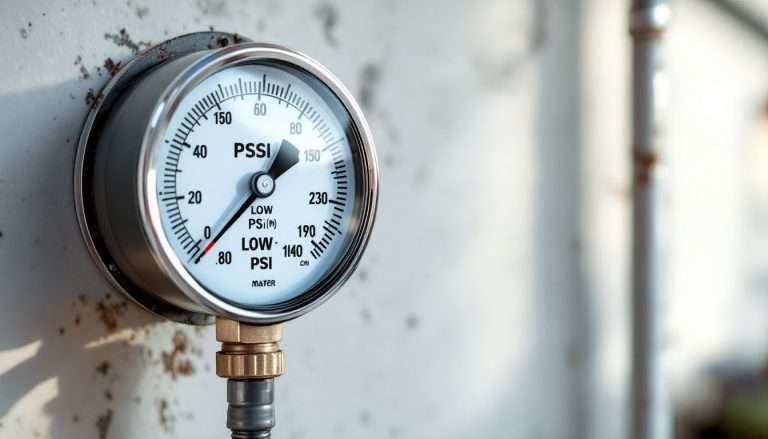
Check valve failure typically develops slowly. Property owners rarely notice the problem until annual testing reveals the device no longer maintains required pressure differentials. Certified testers measure pressure on both sides of each check valve—if the readings fall outside acceptable ranges, the check valves need repair or replacement.
Several factors accelerate check valve deterioration. Hard water with high mineral content leaves deposits that prevent valves from sealing completely. Water quality issues like excessive chlorine or pH imbalances break down rubber components faster than normal. Frequent pressure fluctuations from the municipal supply put additional stress on internal springs and seals. Properties in areas with old infrastructure or water quality issues often need check valve replacement every 5-7 years rather than the typical 10-12 year lifespan.
Relief Valve Problems and Continuous Discharge
RPZ-style backflow preventers include a relief valve that opens when the device detects dangerous pressure conditions. This safety feature discharges water to prevent contamination from entering the drinking water supply. A properly functioning relief valve should remain closed under normal conditions and only open during actual backflow events or system testing.
Malfunctioning relief valves create obvious problems. The most common symptom is continuous water discharge from the relief port. Property owners notice water pooling around the backflow preventer or streaming constantly from the discharge pipe. This persistent discharge wastes water, increases utility bills, and signals that the device requires immediate repair.
Relief valve failures stem from several causes. Debris caught in the valve seat prevents proper closure. Spring fatigue causes the valve to open at incorrect pressure thresholds. Worn seals allow water to seep through even when the valve appears closed. Corrosion from outdoor installation environments damages the valve mechanism. Commercial plumbing systems in Pasadena and surrounding areas often experience relief valve problems on devices installed in unprotected outdoor locations without adequate weather enclosures.
Debris Buildup and Internal Contamination
Municipal water systems sometimes carry sand, rust particles, or mineral deposits that accumulate inside backflow preventers. Construction work on water mains, pipe repairs, or corrosion in older infrastructure introduces debris into the water supply. This material settles in valve chambers and prevents check valves from sealing properly.
Debris-related failures can occur suddenly after water main work in the neighborhood. Property owners might notice reduced water pressure, unusual sounds from the backflow preventer, or visible sediment in water fixtures. Opening the device for inspection often reveals sand or rust particles trapped between valve seats and sealing surfaces.
New backflow preventer installations face higher debris risk during the first year of operation. Construction debris, pipe scale, and installation materials work their way through new piping and collect at the backflow preventer. Many plumbing professionals recommend installing a strainer upstream of the backflow preventer to catch debris before it reaches internal components. Properties in areas with aging water infrastructure benefit most from these protective measures.
Freeze Damage and Cold Weather Failures
Water expands when it freezes, and this expansion creates enormous pressure that cracks valve bodies and ruptures internal chambers. Backflow preventers installed above ground face significant freeze risk during winter cold snaps. The San Gabriel Valley experiences occasional overnight freezes that can damage inadequately protected devices.
Freeze damage often goes unnoticed until spring when property owners turn on irrigation systems or schedule annual testing. Visible cracks in the bronze or brass valve body indicate severe freeze damage that requires complete device replacement. Internal damage to check valves and relief valves may not show external signs but will appear during pressure testing.
Prevention strategies protect backflow preventers from freeze damage. Insulation blankets or enclosures shield devices from cold air and wind. Heat tape provides active freeze protection for critical installations. Draining backflow preventers before winter prevents water from sitting in valve chambers where it can freeze. Properties with outdoor backflow preventers need weatherization plans before cold weather arrives. Water line service professionals can install proper freeze protection during initial installation or retrofit existing devices with appropriate protection.
Consequences of Backflow Preventer Failure
A failed backflow preventer creates multiple levels of risk. The most serious consequence is potential water contamination. If backflow occurs while the device isn’t functioning, chemicals, bacteria, or other contaminants could enter the municipal water supply. This contamination risk affects not just the property with the failed device but potentially the entire neighborhood served by that water main.
Health department violations follow failed annual tests. California regulations require property owners to repair or replace failing backflow preventers within strict timeframes—typically 30 days from the failed test date. Properties out of compliance face escalating fines and possible water service disconnection. Commercial properties risk losing their business licenses if backflow preventer violations remain uncorrected.
Insurance and liability concerns compound the problem. If contamination occurs due to a failed backflow preventer, property owners may face liability for damages. Business interruption, medical claims, and cleanup costs can reach substantial amounts. Annual testing provides documented proof that property owners maintained required safety equipment, but failed tests that go uncorrected eliminate this protection.
Testing Requirements and Compliance Deadlines
California law requires annual backflow preventer testing by certified testers. Most water districts in the San Gabriel Valley send testing deadline notices to property owners each spring. The test measures pressure differentials across check valves and verifies that relief valves open and close at correct pressure points.
Testing takes 30-45 minutes for standard installations. The certified tester closes isolation valves, connects test equipment to four test ports on the device, and records pressure readings at specific points in the test sequence. Passing results mean the device continues to protect the water supply for another year. Failed tests require repairs and retesting, usually within 30 days of the initial test date.
Property owners should maintain records of all backflow preventer tests. These documents prove compliance with health codes and provide a history of device performance. Repeated failures at specific test points indicate which internal components need replacement. Properties changing ownership must provide testing records to new buyers as part of due diligence and disclosure requirements.
Repair vs Replacement: Making the Right Decision
Failed backflow preventers present property owners with a repair-or-replace decision. Simple repairs address isolated component failures. Complete replacement makes sense for devices with multiple problems or extensive wear. The decision depends on the device age, the nature of the failure, and the cost comparison.
Repair kits containing new check valves, relief valves, and seals cost $100-300 for most standard devices. Labor to install repair kits runs $200-400, bringing total repair costs to $300-700. Complete backflow preventer replacement, including the new device and installation, typically costs $800-1,500 for residential applications and $1,200-3,000 for larger commercial assemblies.
Age guidelines help with replacement decisions. Devices under five years old usually benefit from repair unless physical damage occurred. Devices 10-15 years old often need replacement because multiple components show wear. Repeated failures within a short timeframe indicate the device has reached its service life. Properties planning major renovations should consider backflow preventer replacement as part of the larger project, since installation costs are lower when other plumbing work is already underway.
What to Do When Your Backflow Preventer Fails
Property owners who receive a failed test notice should act quickly. The first step is reviewing the test results with the certified tester. Understanding which specific test points failed helps determine whether the problem is simple or complex. Single check valve failures often need only seal replacement, while multiple failures suggest more extensive work.
Contact a licensed plumber who specializes in backflow preventer repair. Many plumbers carry common repair kits and can complete simple repairs the same day. Complex failures may require ordering specialized parts. Properties should prioritize getting the device back in service within the compliance window to avoid fines and water service interruptions.
Schedule retesting after repairs. The same certified tester must verify that repairs corrected the problem. Properties don’t return to compliance until passing a retest. Some plumbers include retesting in their service packages, while others require property owners to schedule a separate testing appointment. Get documentation of both the repairs performed and the passing retest results for property records.
Properties in Pasadena and throughout the San Gabriel Valley can schedule service for failed backflow preventers through licensed contractors who understand local code requirements and water district regulations. Quick response prevents compliance problems and protects both property value and public health.
Conclusion
Backflow preventer failures are a normal part of property ownership and plumbing system maintenance. Understanding how these devices fail—from check valve wear to relief valve problems, debris accumulation, and freeze damage—helps property owners recognize warning signs and respond appropriately. The consequences of ignoring a failed backflow preventer extend beyond the immediate plumbing issue to include health code violations, contamination risks, and potential fines.
Annual testing programs exist to catch failures before they create serious problems. Property owners who stay current with testing requirements and address failed tests promptly protect their water supply, maintain code compliance, and avoid the escalating costs that come with delayed repairs. The repair versus replacement decision depends on device age, failure type, and cost comparison—factors that licensed plumbing professionals can evaluate during the service call.
Western Rooter & Plumbing helps property owners throughout the San Gabriel Valley maintain compliant and functional backflow preventers. Whether managing residential plumbing needs or commercial facility requirements, professional backflow preventer service keeps water supplies safe and properties in compliance with local health codes. Don’t wait for water service interruption or health department notices—schedule annual testing and address failures promptly to protect your property and your community’s water supply.