Water heaters are the unsung heroes of the modern home—until they quit. A failing water heater rarely goes quietly; it usually gives you plenty of warning signs. Unfortunately, most homeowners ignore these whispers until they become a scream—resulting in a flooded garage or a freezing cold shower.
Recognizing the early symptoms of failure can save you thousands in water damage restoration and the stress of emergency plumbing visits. Here are the 7 critical signs that your water heater is nearing the end of its life.
The Danger of Ignoring the Signs
Why is vigilance so important? A catastrophic tank failure isn’t just an inconvenience; it can be a disaster. When the bottom of a 50-gallon tank rusts out, it releases all its contents instantly. This can cause significant water damage to drywall, flooring, and stored items. Furthermore, a malfunctioning gas unit poses risks of carbon monoxide leaks or fire.
Most traditional tanks last between 8 and 12 years. If yours is in this age range, pay close attention to the following indicators.
Sign #1: The Popping or Rumbling Noise
If your water heater sounds like it’s brewing a pot of coffee or making popping sounds, it’s crying for help.
The Cause:
Over time, sediment (mostly calcium and minerals from hard water) settles at the bottom of the tank. As the burner heats the water, steam bubbles get trapped under this layer of sediment. When they escape, they make a “pop.”
The Result:
This layer of sediment acts as an insulator, forcing the burner to work harder to heat the water. This overheats the steel tank bottom, leading to metal fatigue and eventual cracks. Regular flushing can help, but if the noise is loud, the damage may already be done.
Sign #2: Rusty or Discolored Water
Turning on the hot tap and seeing brown, yellow, or rusty water is a classic red flag. But first, you must determine the source.
The Test:
Run the cold water for a minute. If it flows clear, but the hot water is discolored, the rust is coming from inside your water heater, not your pipes.
The Diagnosis:
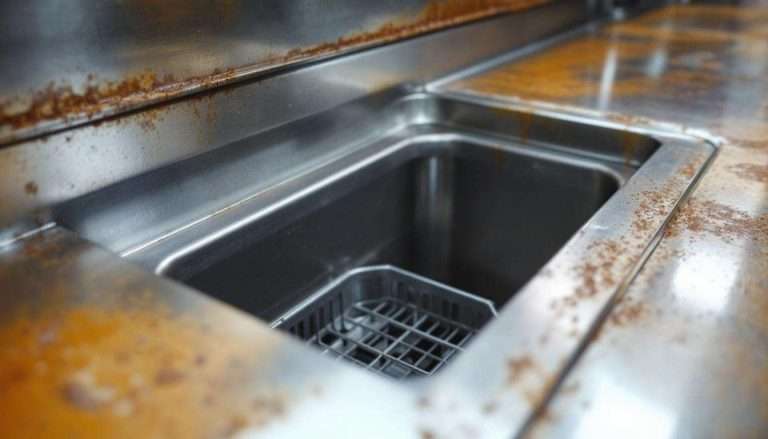
Water heaters have a “sacrificial anode rod” designed to attract rust. Once this rod is fully dissolved, the corrosive elements in the water attack the steel tank itself. Once the tank starts rusting, there is no repair—only replacement.
Sign #3: Leaks Around the Base
Finding a puddle of water around the base of your heater requires immediate investigation.
Crucial Distinction:
* Drain Valve Leak: If the leak is coming from the small spigot at the bottom, it might just need tightening or replacing. This is a cheap fix.
* Tank Seam Leak: If water is weeping from the metal body or seams of the tank, it has fractured.
Immediate Action:
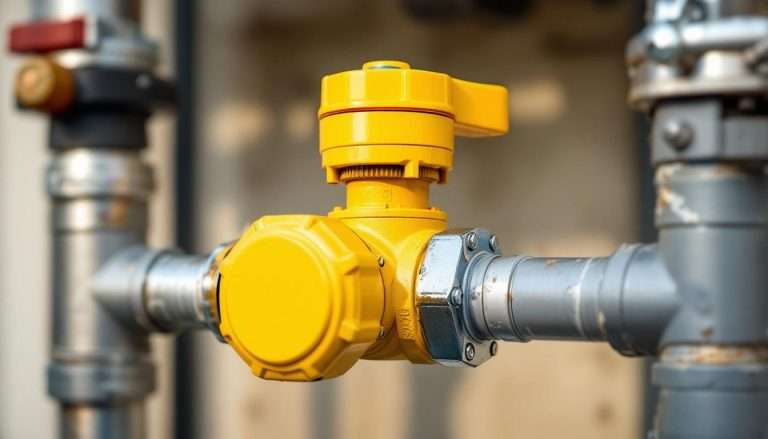
If the tank is leaking, shut off the cold water inlet valve on top of the unit immediately. This stops the continuous flow of water. Call a professional for a water heater inspection right away.
Sign #4: The Cold Shower Surprise
Inconsistent temperature is often the first sign of a failing component.
* Gas Units: It could be a failing thermocouple or a dirty pilot light assembly.
* Electric Units: Usually indicates a burnt-out heating element or a bad thermostat.
* Dip Tube Failure: The dip tube directs cold water to the bottom of the tank to be heated. If it breaks, cold water mixes with the hot water at the top, resulting in lukewarm showers.
Sign #5: Age of the Unit
Even if your heater seems fine, age is the ultimate predictor. Check the manufacturer’s sticker. The first four digits of the serial number often indicate the month and year of manufacture. If it’s over 12 years old, you are on borrowed time. Proactive replacement is always cheaper than emergency replacement.
Check our specials for current coupons on replacements.
Troubleshooting Steps Before You Call
Before you panic, check the basics:
1. Power/Gas: Is the circuit breaker tripped? Is the gas valve in the ON position?
2. Pilot Light: Is the pilot light lit? (Follow instructions on the unit to relight).
3. Thermostat: Is it set too low? (120°F is recommended).
If these basics are covered and problems persist, do not attempt to repair a gas appliance yourself. Gas leaks are deadly. Call Western Rooter for a professional diagnostic and ensure your home stays warm and dry.