Note to readers: This post was updated on July 11, 2026 to explain the real cost of a running toilet and link to our detailed troubleshooting guide. We refreshed the details below so the advice reflects how we approach this work today.
A running toilet is easy to tune out — it’s not an emergency, it’s just an annoying sound. But leaving it alone costs more than most people realize, and the fix is usually simpler than it seems.
Why It Happens
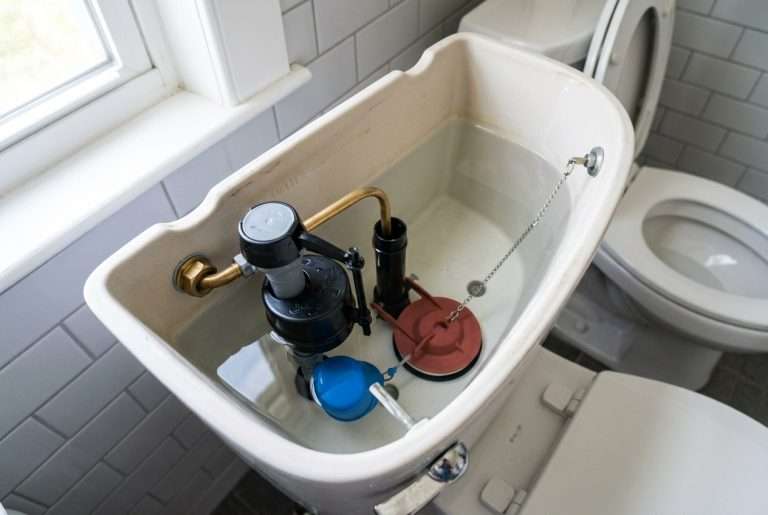
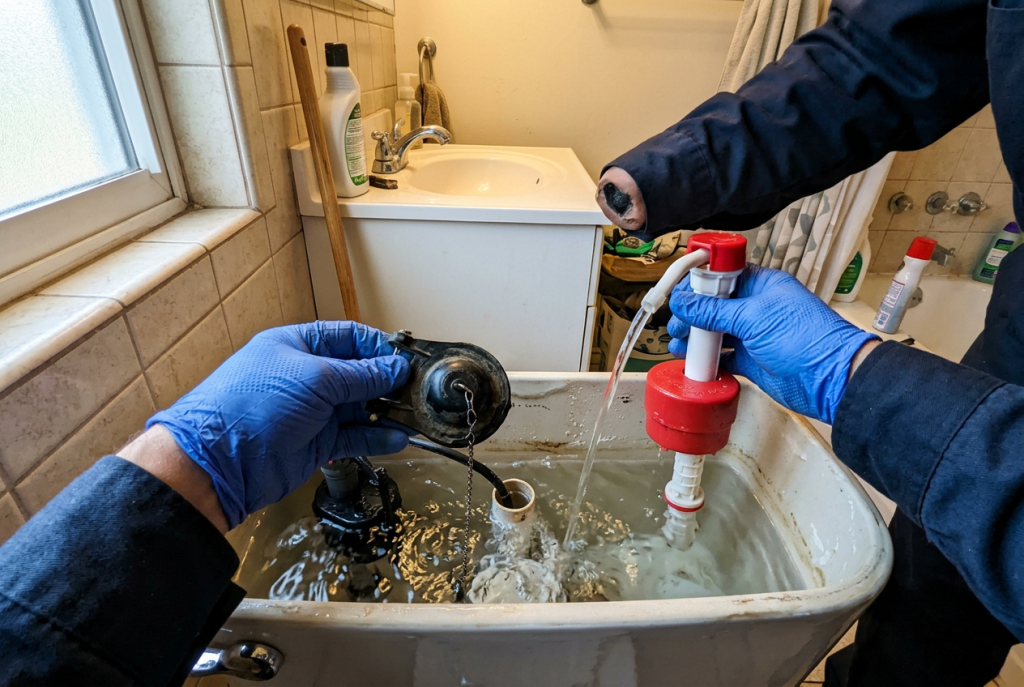
Most running toilets come down to one of a few worn parts inside the tank: a flapper that no longer seals properly, a fill valve that won’t shut off completely, or a float that’s set too high and keeps triggering refills. Our guide on why your toilet is running walks through each of these causes in more detail and how to tell which one you’re dealing with.
What It’s Actually Costing You
A toilet that runs continuously can waste a significant amount of water every single day — not gallons, but potentially hundreds of gallons over the course of a month, depending on how bad the leak is. That shows up directly on your water bill, often before anyone notices where the extra usage is coming from.
Why You Shouldn’t Wait
Beyond the wasted water, a running toilet is often a sign that internal parts are already worn and getting worse. Left alone long enough, a bad fill valve or overflowing tank can lead to water pooling around the base or, in worse cases, water damage to the floor underneath. What starts as a $10 part is a much bigger job once water damage is involved.
Common Fixes
- Flapper replacement — the most common fix, and often the cheapest
- Fill valve adjustment or replacement — if water keeps trickling into the overflow tube
- Float adjustment — sometimes all it takes is lowering the water level in the tank
Many of these are simple enough to try yourself with basic tools. If you’ve already swapped the flapper and it’s still running, or you’re not sure which part is the problem, that’s when it’s worth having someone take a look rather than guessing at parts.
When to Call a Plumber
If the toilet keeps running after a flapper or fill valve replacement, or you notice water pooling at the base, stop troubleshooting and call. That can point to a cracked tank, a bad wax ring, or something else that’s not a simple parts swap.
Don’t let a running toilet become a habit you tune out. Give Western Rooter a call at 626.448.6455 and we’ll get it fixed quickly.