
Note to readers: This post was updated on August 01, 2026 to simplify the comparison, correct some outdated claims about pipe chemistry, and link to our repiping and leak guides. We refreshed the details below so the advice reflects how we approach this work today.
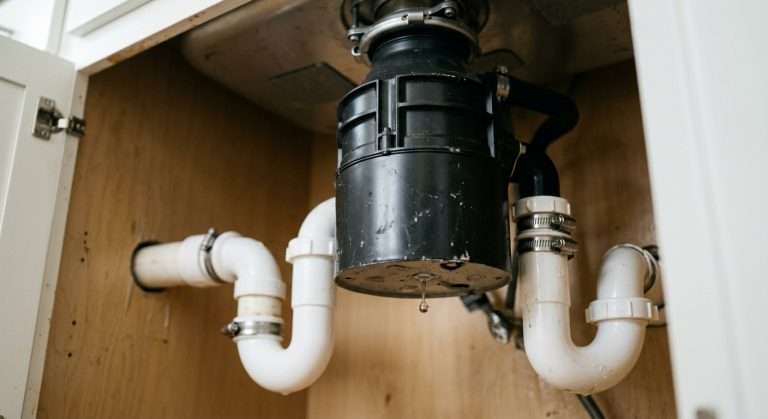
If you’re planning a plumbing project, you’ve probably noticed that most drain, waste, and vent piping these days is plastic — either black ABS or white/cream PVC — rather than copper or old galvanized steel. Both plastics are durable, affordable, and easy to work with compared to metal, but they’re not interchangeable, and using the wrong one in the wrong place can cause problems down the line.
What is ABS pipe?
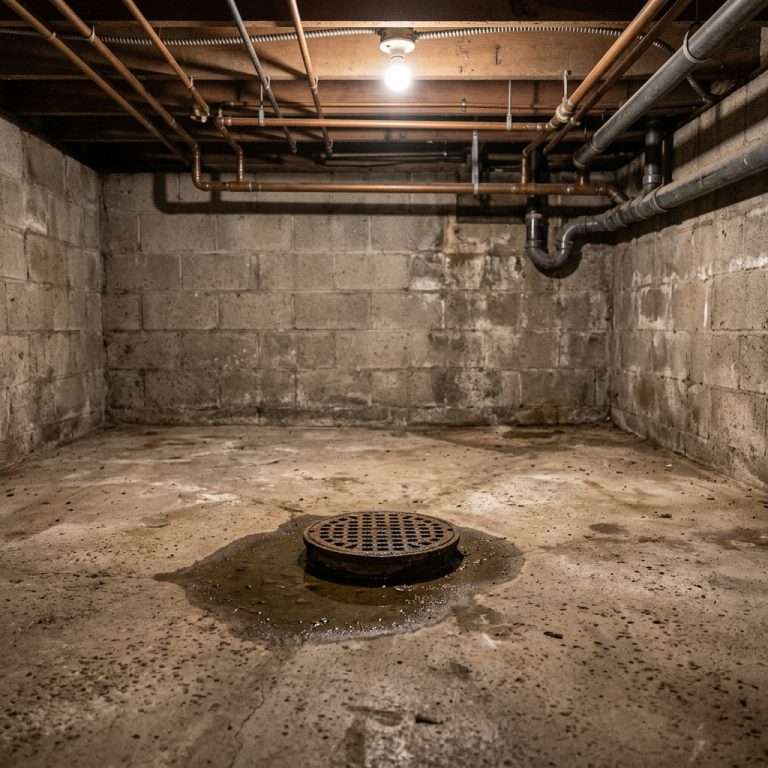
ABS (acrylonitrile butadiene styrene) is the black plastic pipe most commonly used for drain-waste-vent (DWV) systems — the pipes that carry wastewater and sewage away from your home. It’s a single-layer, rigid plastic that’s resistant to impact and holds up well underground and in cooler, shaded conditions.
ABS is generally a bit tougher against physical impact than PVC, which is part of why it’s popular for underground drain lines where the pipe might take a hit during backfill or from shifting soil.
What is PVC pipe?
PVC (polyvinyl chloride) is the white or cream-colored plastic pipe used for both drainage and water supply applications, depending on the schedule/rating of the pipe. It’s a bit more chemical- and heat-resistant than ABS in some formulations, and it’s the more common choice for plumbing exposed to sunlight, since ABS can degrade with long-term UV exposure.
Key differences at a glance
- Color and joining method: ABS is black and joined with a single-step solvent cement. PVC is white/cream and requires a two-step process (primer, then cement) for a proper seal.
- Sunlight exposure: PVC tolerates UV exposure better; ABS can become brittle over years in direct sun.
- Sound: ABS tends to transmit water flow noise slightly more than PVC in wall cavities.
- Local code: Many municipalities allow both, but some restrict one or the other for certain uses — always check before you buy materials.
When to use ABS
ABS is a solid choice for underground and shaded drain lines, vent stacks, and situations where impact resistance matters more than UV exposure — for example, under a slab or in a crawl space.
When to use PVC
PVC is the more common choice for drain lines that will see any sun exposure, and it’s also used (in appropriate schedules) for potable water supply lines in many areas. If you’re not sure which schedule of PVC is rated for drinking water in your situation, that’s a question for a licensed plumber, not a guess.
What about copper for water lines?
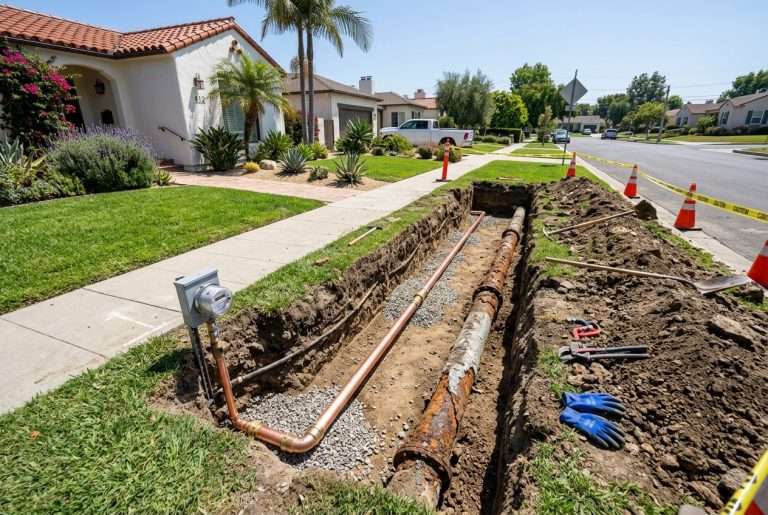
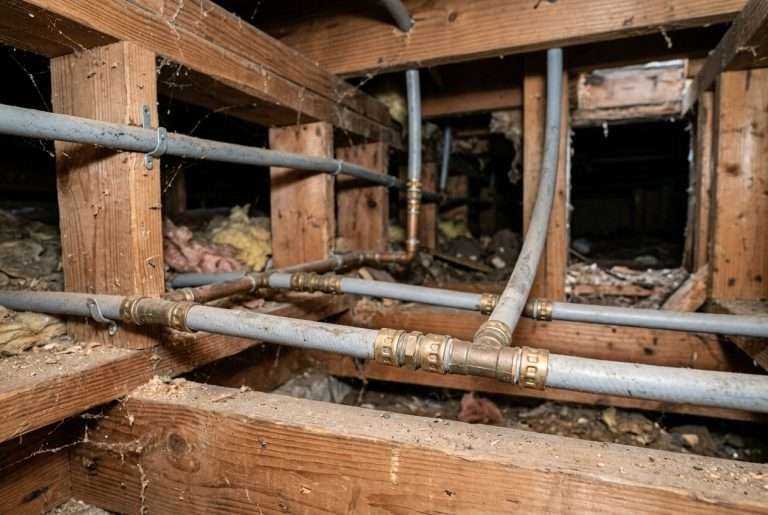
For hot and cold water supply specifically, copper and PEX remain the most common choices in this area, especially in older San Gabriel Valley homes that are being repiped from original galvanized. Plastic drain pipe (ABS or PVC) and supply-line material (copper/PEX) are typically separate decisions on the same job.
Still not sure which to use?
Mixing up ABS and PVC, using the wrong cement, or skipping the required primer on PVC joints are common DIY mistakes that lead to leaks behind walls or under slabs — expensive to find and fix later. If you’re mid-project and unsure, or if you’re dealing with signs of an existing pipe leak, it’s worth a call before you commit to materials. Contact Western Rooter & Plumbing and we’ll help you get it right the first time.