Note to readers: This post was updated on July 11, 2026 to update the tips with current best practices and link to our drain maintenance and root removal guides. We refreshed the details below so the advice reflects how we approach this work today.
Most plumbing emergencies don’t start as emergencies. They start as small habits — what goes down the drain, what gets flushed, what gets ignored — that build up over months or years until something finally backs up. Here are the most common culprits we see on service calls, and what to do instead.
1. Overloading the Garbage Disposal
A garbage disposal is built for small scraps, not everything that’s left on a plate. Potato peels, celery, corn husks, and other fibrous or starchy scraps cling to the disposal blades and the pipe below, and starches turn gummy when wet. Run cold water while using the disposal, and put the truly tough stuff in the trash instead.
2. Ignoring Tree Roots Near Sewer Lines
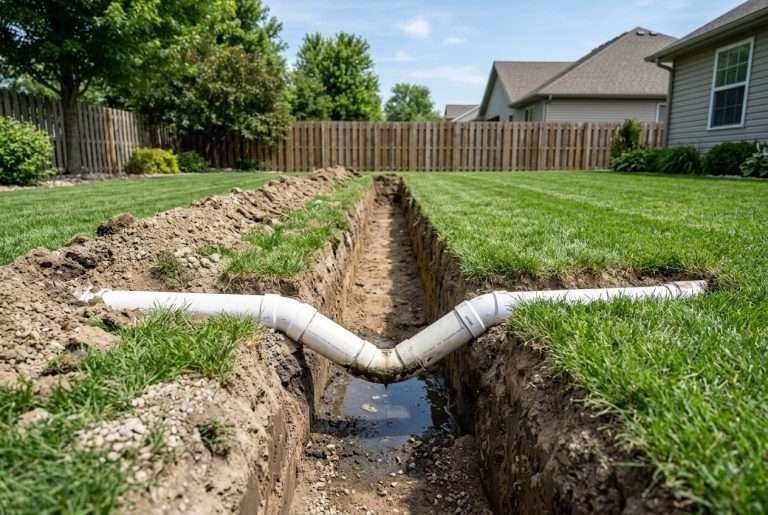
Large trees near the house are a common source of slow, recurring backups. Roots find their way into older clay or cast iron pipe through tiny cracks or loose joints, and once they’re in, they grow. See our guide on roots in pipes — signs, removal, and prevention for how this is diagnosed and cleared without necessarily removing the tree.
3. Letting Old Pipes Corrode Unchecked
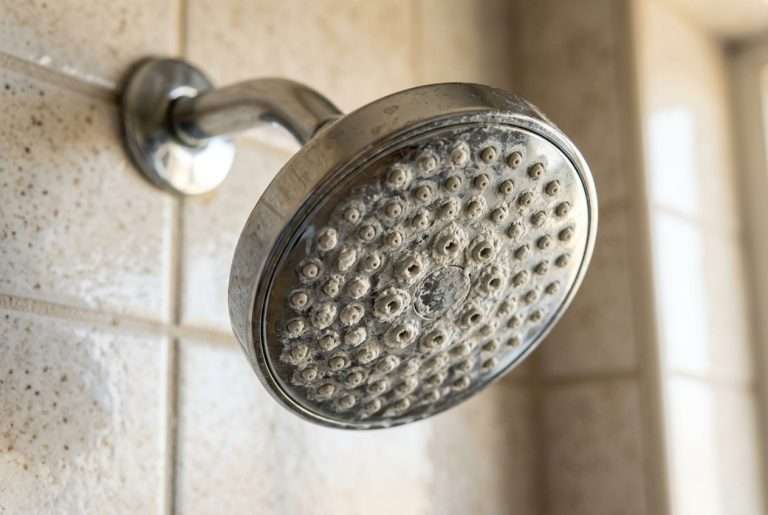
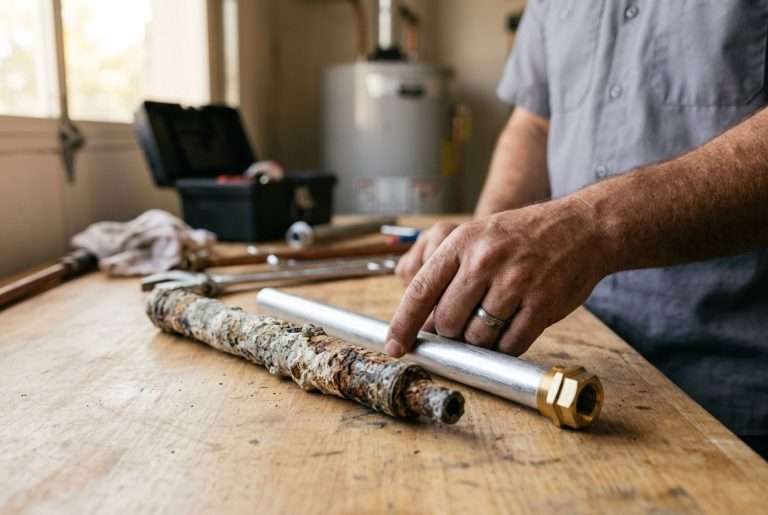
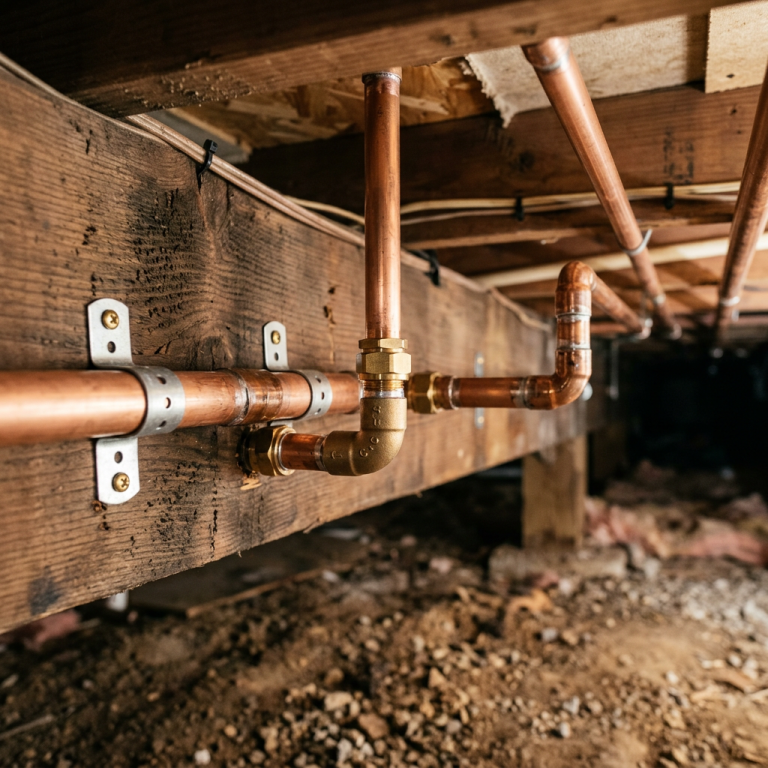
Older copper plumbing can develop internal rust and mineral buildup over decades, especially at bends and elbows, which shows up as dropping water pressure. If pressure has been fading gradually rather than all at once, aging pipe is worth ruling out — repiping is a bigger job, but not always the first step; a professional inspection tells you if you actually need one.
4. Flushing the Wrong Things
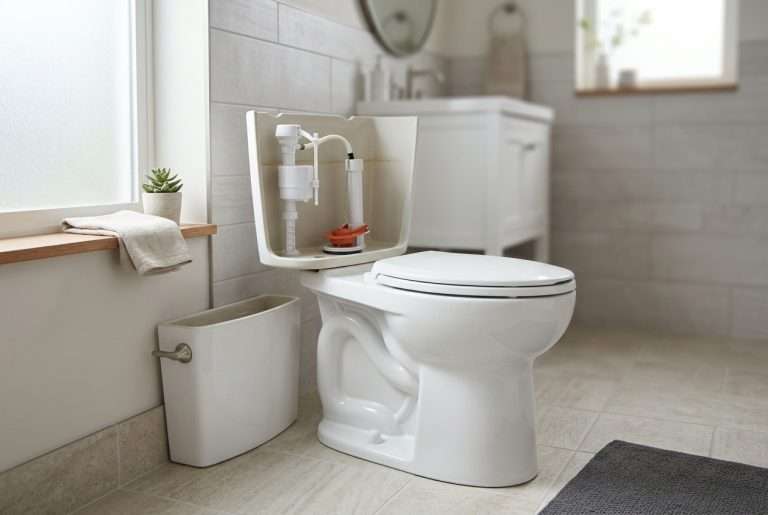
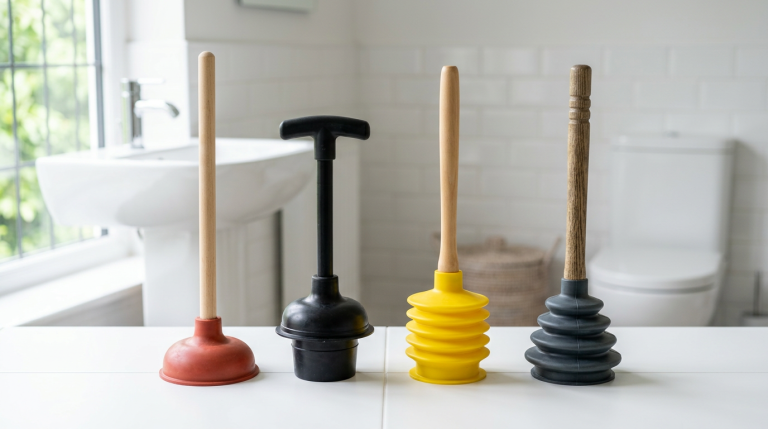
Toilets are built for waste and toilet paper — nothing else. Wipes, feminine hygiene products, paper towels, and small toys are a leading cause of clogged toilets, especially in households with kids. If it happens anyway, our guide on how to unclog a toilet without a plunger covers a few options before you call for help.
5. Skipping Regular Drain Maintenance
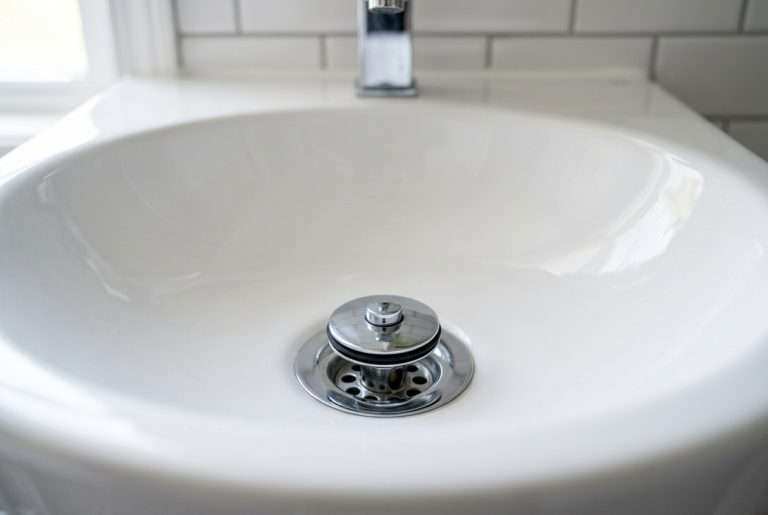
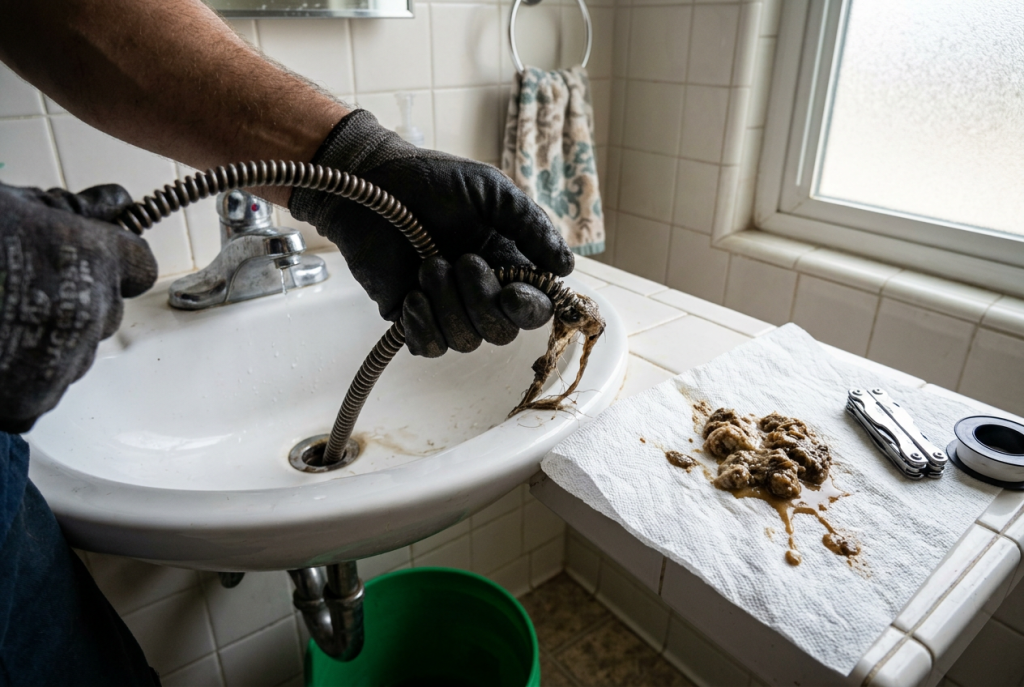
Hair, soap residue, and everyday grime accumulate in shower and sink drains whether you notice it or not. A drain basket to catch hair and a periodic cleaning schedule prevents most of the slow-drain complaints we see. If it’s already slow, these methods are a good place to start.
6. Neglecting Floor Drains
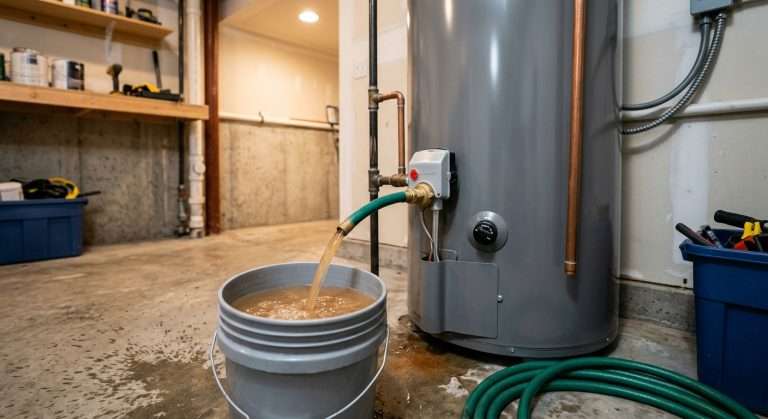
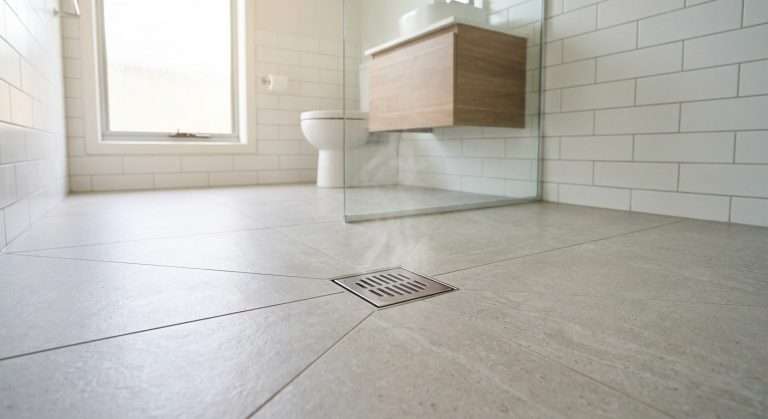
Basement or garage floor drains are easy to forget because they’re rarely used — until a water heater or washing machine leaks and needs somewhere to go. Dust, sawdust, and debris settle into these drains over time. Check and clear them every year or two so they’re actually ready when you need them.
7. Pouring Grease Down the Drain
Fat and grease look liquid going down the drain, but they solidify as they cool inside the pipe, catching everything that follows. Pour it into a container instead of the sink. If grease buildup is already a recurring issue, hydro jetting clears it out far more thoroughly than a standard snake.
8. Rinsing Coffee Grounds Down the Sink
Coffee grounds don’t break down in water the way people assume — they clump and settle in pipe bends. Toss them in the trash or compost instead.
Most of these habits are easy to fix once you know about them. If a clog is already giving you trouble, or you’re not sure whether it’s a fixture problem or something further down the line, call Western Rooter at 626.448.6455 and we’ll take a look.