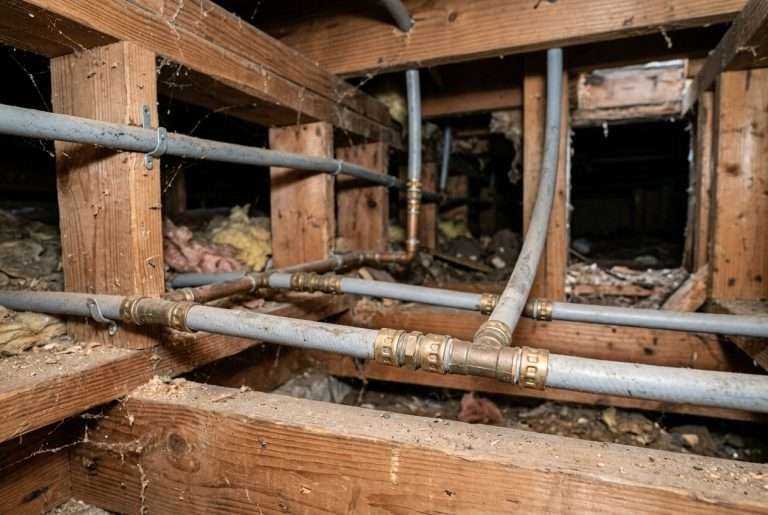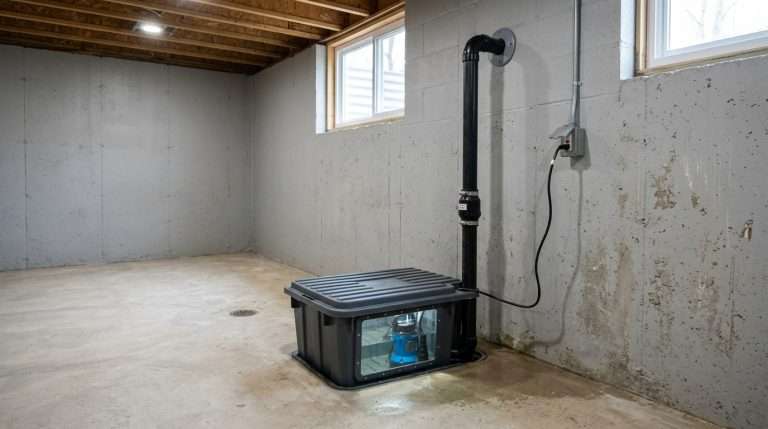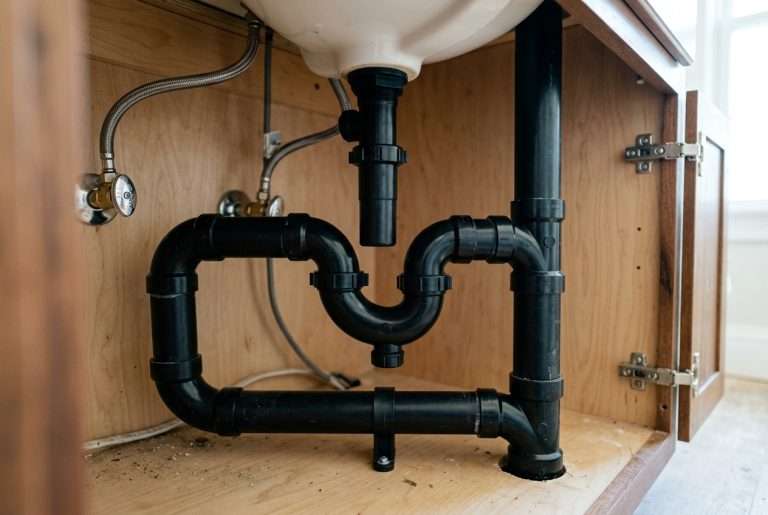
Main water line replacement usually costs between $2,000 and $6,000 for a standard residential line, though trenchless methods can push the total higher. If you’re dealing with repeated leaks, rusty water, or water pressure that drops without explanation, the main line running from the street to your house is a likely suspect — especially in older Southern California homes with original galvanized or copper supply lines.
Here’s what the job involves, what drives the cost, and how to decide whether it’s time.
What Is the Main Water Line and Where Does It Run?
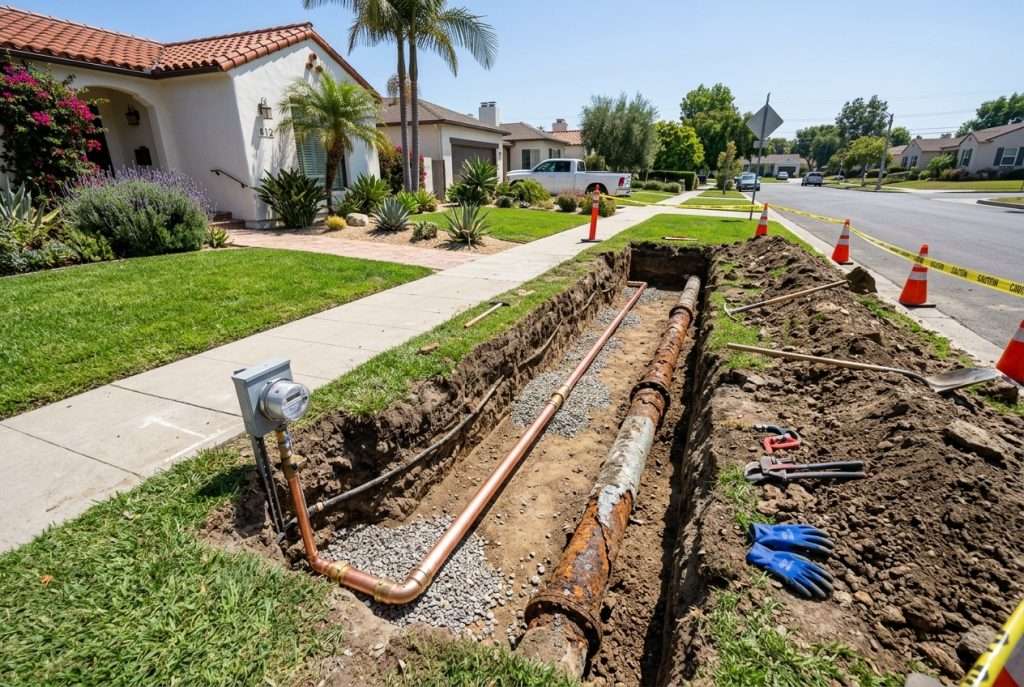
Your main water line is the single buried pipe that carries pressurized water from the city meter at the street to the point where it enters your house. Everything downstream — kitchen, bathrooms, hose bibs, water heater — depends on this one pipe.
In most Southern California homes, the main line runs 30 to 80 feet underground at a depth of 18 to 36 inches. The material depends on when the house was built:
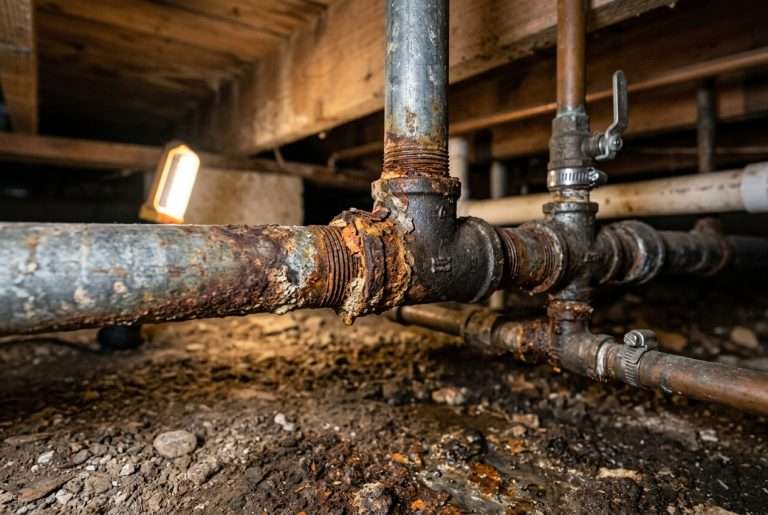
- Pre-1960s homes (common in Pasadena, Arcadia, Monrovia): often galvanized steel, which corrodes from the inside over decades. If you’re wondering how long galvanized pipes last, the realistic answer is 40 to 60 years before serious problems start.
- 1960s–1990s homes: usually copper, with a typical lifespan of 50 to 70 years depending on soil and water chemistry.
- 1990s–present: copper or PEX (cross-linked polyethylene), sometimes HDPE for longer runs.
Signs Your Main Water Line Needs Replacing
Most main line failures don’t happen all at once. They show up gradually:
- Persistent low water pressure throughout the house — not just one fixture. If you’ve already tried to fix water pressure issues at individual fixtures without improvement, the main line may be restricted.
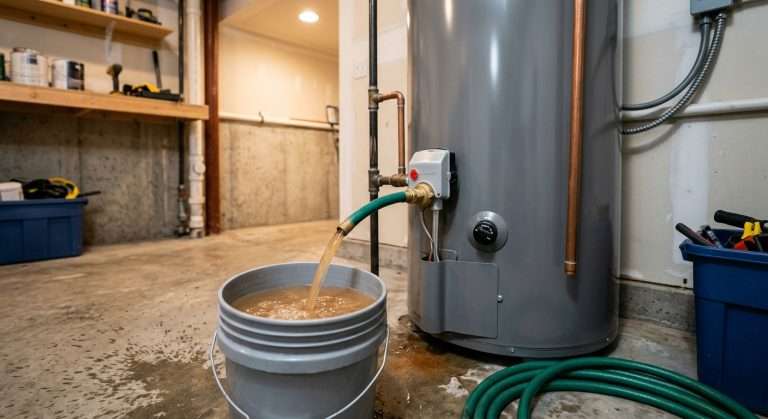
- Discolored or rusty water, especially when you first turn on taps in the morning. Brown or orange water from all fixtures points to corroded supply piping.
- Unexplained wet spots or soggy areas in the yard between the meter and the house — a classic sign of an underground leak.
- Spiking water bills with no change in usage.
- Repeated leak repairs on the same line. Patching a failing main line is a losing game once corrosion is widespread.
- Age alone: if your home still has its original galvanized main from the 1950s or 1960s, it’s past its expected service life.
If you suspect a hidden leak, there are several ways to find hidden water leaks before calling a plumber — but a failing main often needs professional diagnosis.
How Much Does Main Water Line Replacement Cost?
For a typical Southern California residential property, expect these general ranges:
- Traditional open-trench replacement: $2,000–$5,000 for a straightforward run of 30–60 feet in accessible soil. Longer runs, deeper lines, or rocky/compacted soil push this higher.
- Pipe bursting (trenchless): $3,500–$7,000. A new pipe is pulled through the old one, shattering it outward. Less digging, but the equipment and expertise cost more.
- Directional bore / trenchless pull: $4,000–$8,000+. Used when the line runs under driveways, hardscape, or landscaping you don’t want destroyed.
These ranges cover the pipe itself, labor, connections at the meter and house, and basic restoration. They do not include permits (typically $150–$400 in LA County cities), extensive landscaping repair, or driveway/sidewalk replacement if the line runs underneath.
What Affects the Final Price?
- Length and depth of the run — a 30-foot line at 18 inches is much simpler than 80 feet at 36 inches.
- Pipe material — copper costs more than PEX but is required by some local codes for the main supply line.
- Access and obstacles — driveways, mature trees, retaining walls, or shared easements add time and cost.
- Permits and inspections — required in most Southern California cities for main line replacement.
- Landscape restoration — open-trench jobs leave a visible scar across the yard that needs grading and reseeding or re-sodding.
Traditional Dig vs. Pipe Bursting vs. Trenchless — Which Method?
| Method | Best For | Main Advantage | Main Drawback |
|---|---|---|---|
| Traditional open trench | Short runs, easy access, budget-conscious | Lowest material cost, simple | Tears up the yard; longer restoration |
| Pipe bursting | Replacing old line in-place, moderate length | Minimal digging, uses existing path | Can’t change the route; not for collapsed pipe |
| Directional bore | Under driveways, hardscape, long runs | Almost no surface disruption | Highest cost; needs clear path underground |
Your plumber should explain which methods are feasible for your specific layout. Not every property qualifies for trenchless — collapsed pipes, sharp bends, or large diameter changes may require traditional excavation.
Who Is Responsible — You or the Water Company?
In most Southern California jurisdictions, the split works like this:
- Street main to the meter: the city or water district owns and maintains this section.
- Meter to the house: the homeowner is responsible for repair and replacement.
The exact boundary can vary — some utilities are responsible through the meter itself, others only to the curb stop valve. If you’re unsure, call your water provider and ask where their responsibility ends. They can usually answer in one call.
One important note: if a city water main break damages your property, the city may be liable. But if your private supply line fails, that’s on you.
Is Main Water Line Replacement Covered by Insurance?
Standard homeowners insurance typically does not cover main water line replacement due to age, corrosion, or normal wear. It may cover sudden, accidental damage — like a line crushed by unexpected ground movement — but policies vary widely.
Some insurers and third-party companies offer service line coverage as an add-on, usually $5–$15 per month. If your home has original piping from the 1960s or earlier, this can be worth looking into before you need it.
Always check your specific policy. Don’t assume you’re covered or uncovered without confirming.
What Pipe Material Should You Choose?
For a residential main water line in Southern California, the most common options today are:
- Copper: Durable, proven track record, accepted everywhere. Costs more in materials and labor. Expected lifespan of 50–70 years. Still the standard in many San Gabriel Valley cities.
- PEX (cross-linked polyethylene): Flexible, corrosion-resistant, faster to install, and less expensive than copper. Expected lifespan of 40–50+ years. Approved for interior repiping in California but check your local jurisdiction for main supply line use — some cities still require copper from the meter to the house.
- HDPE (high-density polyethylene): Common for longer commercial runs. Occasionally used for residential mains in trenchless applications.
If you’re weighing the options for your whole house, our comparison of copper vs. PEX for San Gabriel Valley homes covers the trade-offs in more detail.
Your plumber should verify which materials your city’s building department allows for the main supply line before starting work.
How Long Does the Job Take?
Most residential main water line replacements take one to three days, depending on method and complexity:
- Traditional trench, short run: Often completed in a single day.
- Pipe bursting: Usually one to two days, including setup and connections.
- Directional bore or complex route: Two to three days, sometimes longer if inspections are required between stages.
You’ll be without water for several hours during the cutover — your plumber should tell you in advance so you can plan around it.
Risks and When to Call a Plumber
Main water line replacement is not a DIY job under any circumstances. It involves working in a trench, connecting to the city meter, and meeting code requirements that require permits and inspections.
Call a plumber sooner rather than later if you notice:
- A sudden, significant drop in water pressure house-wide
- Water bubbling up in the yard between the meter and the house
- Rusty water from every tap that doesn’t clear after running
- A water bill that doubled or tripled without explanation
A burst main line can dump hundreds of gallons per hour into your yard or foundation, so this is one situation where waiting “to see if it gets worse” can be genuinely expensive.
If you need help with main water line replacement — or you’re not sure whether repair or replacement makes more sense — call Western Rooter & Plumbing at (626) 448-6455 or schedule service online through our website.