Note to readers: This post was updated on July 14, 2026 to explain how modern pipe locating and leak detection technology works, with links to our slab leak guides. We refreshed the details below so the advice reflects how we approach this work today.
One of the most useful tools in modern plumbing isn’t a wrench — it’s a locator. Before a plumber digs anywhere in your yard or under a slab, the goal is to know exactly where the pipe is and, if there’s a leak, exactly where it’s leaking from. Guessing means unnecessary digging, extra cost, and more disruption to your property than the repair actually requires.
How Pipe Locating Actually Works
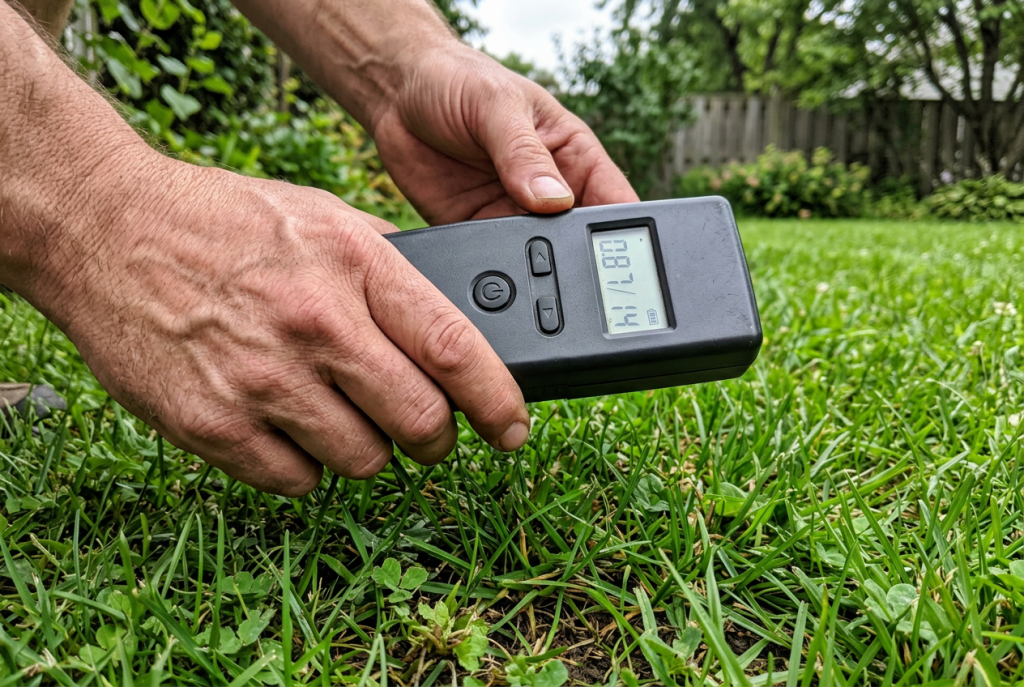
Professional-grade locating equipment uses two parts working together: a line energizer that sends a signal onto a specific pipe, and a locator that detects that signal from above ground. Because the energizer is tuned to trigger only the pipe it’s attached to, a plumber can trace that exact line even when other pipes or sewer lines run parallel or nearby. This matters most in older neighborhoods where multiple utility lines and old, abandoned pipes can be crowded close together underground.
Why This Matters for Leak Detection
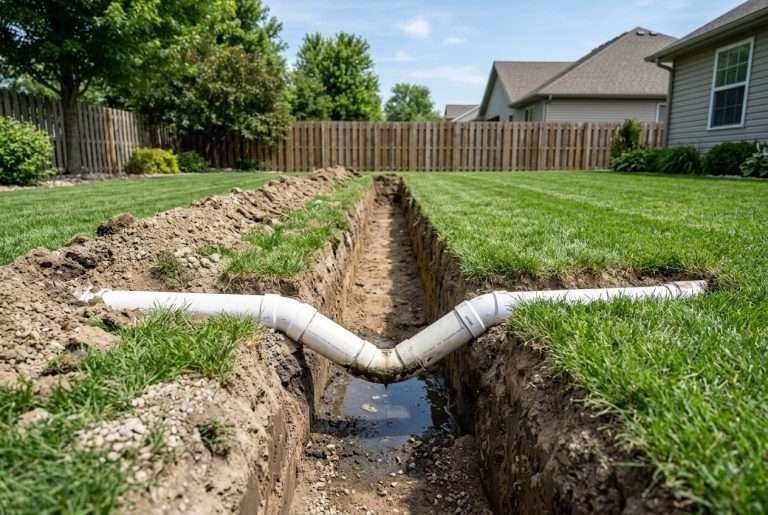
A water line that’s leaking underground doesn’t always show itself at the surface right away — sometimes the only sign is a drop in water pressure or an unexplained rise in the water bill. Pipe locating lets a plumber trace the line’s exact path first, then narrow in on where the leak is actually happening along that path, instead of trenching the whole yard to find it.
Slab Leaks Are Where This Matters Most
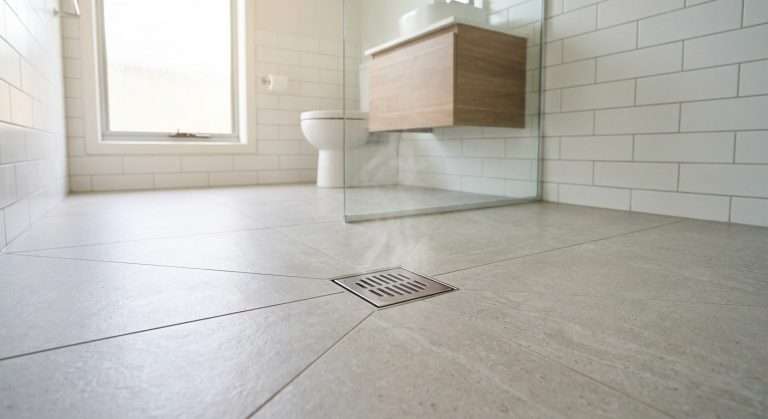
When a leak is under a concrete slab rather than in open ground, precision matters even more — breaking concrete in the wrong spot means unnecessary repair cost on top of the plumbing fix. Locating equipment combined with acoustic listening tools lets a plumber pinpoint a slab leak to a specific section before any concrete is opened up.
Signs You May Have a Leak Worth Tracing
- Water pressure has dropped without an obvious cause
- Your water bill has increased with no change in usage
- You hear running water in the walls or floor when nothing is turned on
- A section of yard is unusually wet, warm, or green compared to the rest
What Happens After the Line Is Located
Once a plumber knows exactly where the affected line runs and where the problem is, the repair itself is usually far more targeted — a spot repair rather than a full pipe replacement, and a small excavation rather than tearing up an entire yard. For older homes with aging copper or galvanized lines, this precision is often what keeps a repipe project reasonable instead of open-ended.
Western Rooter & Plumbing uses professional-grade line locating and leak detection equipment on every underground job, so repairs stay targeted and costs stay predictable.